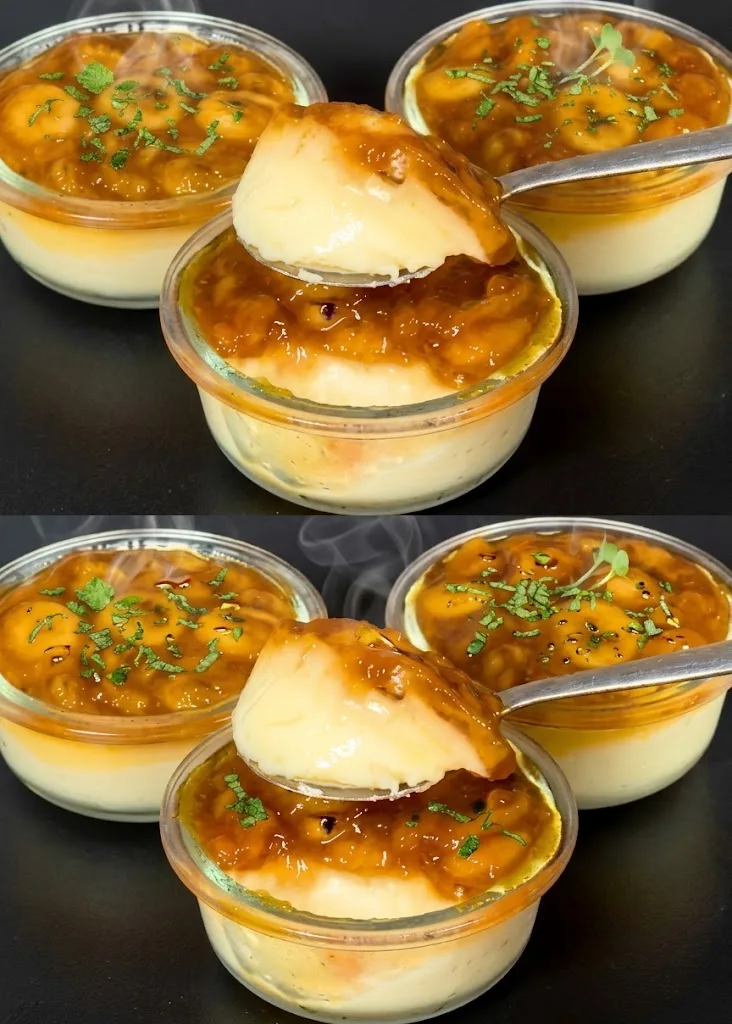
This Milk-Based Vanilla Pudding is silky, creamy, and gently sweet with a classic vanilla flavor. Made with milk, egg yolks, vanilla, and a sugar-free sweetener, it offers a comforting homemade dessert without relying on traditional added sugar. It’s simple enough for a weeknight treat and elegant enough to serve chilled after dinner.
Can Milk-Based Vanilla Pudding Support Weight Loss Goals?
It can fit into a balanced weight-conscious eating plan when served in a moderate portion. Using a sugar-free sweetener reduces added sugar, while milk and egg yolks provide protein and fat that can make the pudding more satisfying. Portion size still matters because milk and egg yolks contribute calories.
Does Milk-Based Vanilla Pudding Fit a High-Protein Lifestyle?
This pudding provides moderate protein from milk and egg yolks, although it is not naturally a high-protein dessert. Using higher-protein milk can increase its protein content while keeping the creamy texture. The net carbs mainly come from the milk because a suitable sugar-free sweetener contributes little or no digestible carbohydrate. For an even more protein-friendly dessert, serve it alongside plain Greek yogurt.
Why This Recipe Is Special
- Diabetic-friendly approach — Uses a sugar-free sweetener instead of traditional sugar.
- Creamy and smooth — Egg yolks and milk create a classic pudding texture.
- Naturally vanilla-rich — Real vanilla gives it a warm, delicate flavor.
- Simple ingredients — No complicated baking techniques are required.
- Make-ahead friendly — It tastes especially refreshing after chilling.
My Personal Experience
- The homemade vanilla flavor really stands out.
Using real vanilla gives the pudding a much warmer flavor than many packaged versions. - The texture is wonderfully silky.
Gentle cooking keeps the custard smooth and creamy without making it heavy. - It feels like a proper dessert.
Even with reduced added sugar, the creamy texture makes it feel indulgent. - Chilling improves the consistency.
After several hours in the refrigerator, the pudding becomes thicker and beautifully spoonable. - It works well for portion-controlled treats.
Dividing the pudding into individual containers makes serving simple and convenient.
Perfect For
This pudding is perfect for diabetic-friendly dessert menus, after-dinner treats, afternoon snacks, meal prep, family desserts, holiday gatherings, and make-ahead sweets. It can also be layered with berries or served with a small spoonful of unsweetened whipped cream.
Why You’ll Love This Recipe
- Smooth and creamy
The milk-and-egg custard creates a classic pudding texture. - No traditional added sugar
A suitable sugar substitute provides sweetness without using regular granulated sugar. - Easy to portion
Divide it into individual jars or ramekins for convenient servings. - Versatile flavor
Vanilla pairs beautifully with cinnamon, berries, nuts, or unsweetened coconut. - Great chilled
Refrigeration gives the pudding a thick, refreshing consistency.
Common Mistakes to Avoid
- Cooking over high heat — High heat can scramble the egg yolks and create lumps.
- Skipping constant stirring — The milk mixture can stick or scorch if left unattended.
- Adding hot milk too quickly to the eggs — Temper the eggs gradually to prevent curdling.
- Overcooking the pudding — Remove it once thick enough to coat the back of a spoon.
Required Equipment
- Medium saucepan — Provides even heat for gently cooking the custard.
- Whisk — Keeps the egg mixture smooth and prevents lumps.
- Fine-mesh sieve — Removes any tiny cooked egg particles for an ultra-smooth pudding.
- Mixing bowl — Makes tempering the egg mixture easier.
- Individual ramekins or jars — Provides convenient portion-controlled servings.
Storage Instructions
Allow the pudding to cool slightly, then cover and refrigerate promptly.
- Refrigerator: Up to 3–4 days
- Freezer: Not recommended, because freezing can make the custard grainy or watery.
Store individual portions in airtight containers or tightly covered ramekins. Keep refrigerated until ready to serve.
Recipe Details
- Preparation Time: 10 minutes
- Cooking Time: 10 minutes
- Chilling Time: 2 hours
- Total Time: 2 hours 20 minutes
- Servings: 4
- Best Season: All-season
- Total Calories: Approximately 125 calories per serving
Short 3-Line Description
This diabetic-friendly vanilla pudding is silky, creamy, and gently sweet with a beautiful homemade vanilla flavor.
Milk and egg yolks create a rich custard texture while a sugar-free sweetener keeps traditional added sugar out.
Serve it chilled as a simple portion-controlled dessert or afternoon treat.
📝 Ingredients
- 2 cups unsweetened milk — approximately 480 ml; use low-fat or whole milk according to preference
- 2 large egg yolks
- 3 tablespoons cornstarch — approximately 24 g
- ⅓ cup granulated monk fruit or erythritol baking blend — adjust according to sweetness
- 1 teaspoon pure vanilla extract
- ⅛ teaspoon salt
Optional:
- ¼ teaspoon ground cinnamon
- 1 tablespoon unsweetened whipped cream for serving
Note: Milk naturally contains lactose, so even a sugar-free pudding still contains carbohydrates. For a lower-carb version, use an unsweetened low-carb milk alternative that works well for cooking.
Directions
- Combine the dry ingredients.
In a medium saucepan, whisk together cornstarch, sugar-free sweetener, and salt. - Add the milk gradually.
Slowly whisk in approximately ½ cup of cold milk until the mixture is completely smooth. - Add the remaining milk.
Whisk in the remaining milk until fully combined. - Prepare the egg yolks.
In a separate bowl, whisk the egg yolks until smooth. - Heat the milk mixture.
Place the saucepan over medium heat. Whisk continuously for approximately 4–6 minutes. - Temper the eggs.
Once the milk mixture becomes hot, slowly pour about ½ cup of the hot mixture into the egg yolks while whisking constantly. - Return the egg mixture to the pan.
Slowly pour the tempered egg mixture back into the saucepan while continuously whisking. - Cook until thickened.
Reduce the heat to medium-low and cook for approximately 2–4 minutes, whisking constantly. The pudding should become noticeably thick and coat the back of a spoon. - Do not boil vigorously.
Keep the heat gentle. The goal is a smooth custard rather than scrambled eggs. - Add vanilla.
Remove the saucepan from the heat and immediately stir in vanilla extract. - Strain for extra smoothness.
Pour the pudding through a fine-mesh sieve into a clean bowl. - Portion the pudding.
Divide between four ramekins or small serving jars. - Cool and chill.
Allow the pudding to cool for about 15 minutes, then cover and refrigerate for at least 2 hours. - Serve.
Serve chilled with optional cinnamon, berries, or a small amount of unsweetened whipped cream.
High-protein cooking tip: Use a higher-protein milk when possible and serve the pudding with a spoonful of plain Greek yogurt for additional protein. Avoid adding sweetened toppings if keeping the dessert lower in sugar.
Nutrition Facts (Per Serving – Approximate)
Estimated for 4 servings using low-fat milk and a sugar-free sweetener. Actual values vary depending on the milk and sweetener used.
- Calories: ~125
- Fats: ~4 g
- Cholesterol: ~105 mg
- Sodium: ~125 mg
- Potassium: ~170 mg
- Total Carbohydrates: ~15 g
- Fiber: ~0 g
- Net Carbs: ~15 g
- Sugars: ~6 g
- Protein: ~6 g
- Calcium: ~180 mg
Notes
- Storage: Refrigerate covered for up to 3–4 days.
- Reheating: This pudding is best served chilled and does not need reheating.
- Freezing: Not recommended because the custard may separate after thawing.
- Allergy note: Contains milk and eggs. Check milk alternatives carefully for additional allergens.
- Lower-carb option: Use an unsweetened low-carb milk alternative suitable for cooking.
- Sweetener: Choose a baking-friendly sugar substitute and adjust according to its sweetness.
- Flavor boost: Add cinnamon, vanilla bean, orange zest, or a tiny pinch of nutmeg.
- Smooth texture: Straining the finished pudding removes any small lumps and creates a silky consistency.
- Diabetes-friendly note: Sugar-free does not mean carbohydrate-free. Milk naturally contains lactose, so check the nutrition information and consider your individual carbohydrate needs.
Frequently Asked Questions
1. Can I make this pudding without regular sugar?
Yes, a suitable granulated sugar substitute can replace traditional sugar.
2. Is milk-based vanilla pudding diabetic-friendly?
This version is designed to be reduced in added sugar, but milk still contains naturally occurring carbohydrates, so portion size matters.
3. Can I use almond milk?
Yes, unsweetened almond milk can be used, although the pudding may have a slightly lighter flavor and texture.
4. Why did my pudding become lumpy?
The eggs were likely heated too quickly or the mixture was cooked over excessive heat.
5. How long does homemade pudding last?
It stays fresh for approximately 3–4 days when covered and refrigerated.
6. Can I make it higher in protein?
Yes, use a higher-protein milk and serve the pudding with plain Greek yogurt for an additional protein boost.