Description
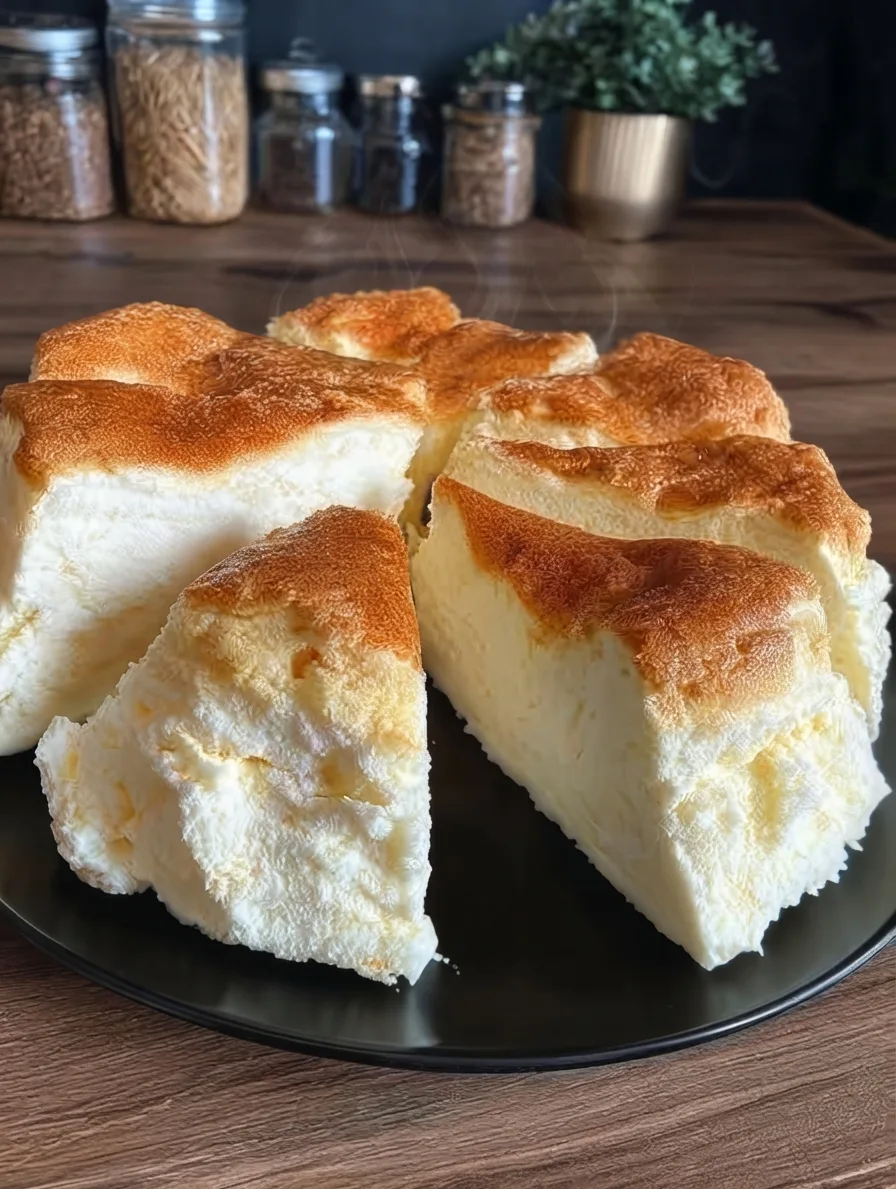
High-Protein Cloud Yogurt Cake is wonderfully soft, airy, and delicate, with a creamy yogurt flavor and a texture that feels almost like a cloud. Greek yogurt and eggs give this simple dessert a protein-rich base, while whipped egg whites create its signature ultra-fluffy texture. With relatively low carbohydrates compared with many traditional cakes, it is a lovely option when you want a lighter, high-protein dessert without giving up that comforting homemade-cake experience.
Can This High-Protein Cloud Yogurt Cake Support Balanced Eating Goals?
Yes, this cake can fit into a balanced eating pattern as a dessert or snack because Greek yogurt and eggs contribute protein alongside the other ingredients. Its light texture makes a small serving satisfying, while using yogurt instead of a large amount of butter or oil keeps the recipe relatively light. Enjoying it alongside a varied diet is a practical way to include a protein-focused sweet treat.
Does High-Protein Cloud Yogurt Cake Fit a High-Protein Lifestyle?
Yes, this cloud cake is particularly suitable for a high-protein lifestyle because Greek yogurt and eggs provide most of its protein. Using a low-sugar Greek yogurt and a modest amount of cornstarch keeps the carbohydrate content relatively controlled. The estimated net carbs are moderate per serving, although they depend on the yogurt and sweetener selected. It is best viewed as a protein-enhanced dessert rather than a replacement for a complete meal.
Why This Recipe Is Special
- Ultra-Fluffy Texture: Whipped egg whites create an airy, cloud-like crumb.
- Protein-Focused: Greek yogurt and eggs give this dessert a substantial protein boost.
- Light & Creamy: Yogurt creates a soft, delicate texture without requiring much added fat.
- Lower-Carb Friendly: A small amount of cornstarch is used instead of traditional flour.
- Simple Ingredients: You can make this elegant-looking dessert with everyday baking ingredients.
My Personal Experience
- The texture is the biggest surprise
The whipped egg whites make the cake incredibly airy, while Greek yogurt keeps the center soft and creamy. - It has a pleasantly mild sweetness
The yogurt gives the cake a subtle tang that balances the sweetness and keeps the flavor from becoming overwhelming. - The top develops a beautiful delicate finish
Gentle baking helps the surface become lightly golden while the center remains tender and fluffy. - It feels lighter than a traditional cake
The combination of yogurt and whipped egg whites gives each bite a soft, almost mousse-like quality. - It tastes even better when chilled
Refrigeration firms the delicate texture slightly and makes the creamy yogurt flavor more noticeable.
Perfect For
- Afternoon snacks
- Light desserts
- High-protein meal plans
- Weekend baking
- Family dessert tables
- Tea-time treats
- Make-ahead desserts
- Low-carb-style dessert menus
Why You’ll Love This Recipe
- Incredibly airy and soft
Whipped egg whites give the cake its signature cloud-like texture without making it feel heavy. - Protein-rich ingredients
Greek yogurt and eggs provide the foundation for a satisfying protein-focused dessert. - Easy to customize
Add vanilla, lemon zest, berries, cinnamon, or a little cocoa for a different flavor. - Beautiful without complicated decorating
A light dusting of powdered sweetener or a few fresh berries is all it needs to look special. - Great served chilled
The refrigerated cake becomes slightly firmer while retaining its delicate, creamy texture.
Common Mistakes to Avoid
- Overmixing the egg whites into the yogurt mixture — Fold gently to preserve as much air as possible.
- Using watery yogurt — Strained Greek yogurt works best because excess liquid can make the cake dense or difficult to set.
- Opening the oven too early — Sudden temperature changes can cause the delicate cake to collapse.
- Overbaking the cake — Remove it when the center is just set and the top is lightly golden to prevent a dry texture.
Required Equipment
- 8-inch round cake pan — Provides the right depth for an evenly baked cloud cake.
- Electric hand mixer or stand mixer — Whips the egg whites quickly to the required volume.
- Large mixing bowls — Keep the yogurt mixture and whipped whites easy to combine gently.
- Rubber spatula — Makes folding the egg whites into the batter easier without deflating them.
- Parchment paper — Helps release the delicate cake cleanly from the pan.
- Fine-mesh sieve — Distributes cornstarch evenly and prevents small lumps.
Storage Instructions
Allow the cake to cool completely before storing it. Place it in an airtight container and refrigerate for up to 4 days. Because it contains yogurt and eggs, refrigeration is important for maintaining both quality and food safety.
For freezing, cut the completely cooled cake into individual portions and wrap each piece tightly before placing it in a freezer-safe container. Freeze for up to 1 month for the best texture.
Thaw frozen portions overnight in the refrigerator. This cake is best served chilled or at cool room temperature; reheating is generally unnecessary and may reduce its delicate texture.
Recipe Details
Preparation Time: 15 minutes
Cooking Time: 45 minutes
Total Time: 1 hour
Servings: 8
Best Season: All-season
Total Calories: Approximately 125 calories per serving
Short 3-Line Description
A dreamy cloud-like yogurt cake that’s soft, airy, creamy, and protein-rich.
Made with Greek yogurt and eggs for a deliciously light homemade dessert.
Perfect chilled with fresh berries, a little cinnamon, or a dusting of powdered sweetener.
📝 Ingredients
- 1 1/2 cups (360 g) plain nonfat Greek yogurt
- 4 large eggs, separated
- 1/4 cup (50 g) granulated zero-calorie sweetener or regular sugar
- 1/4 cup (30 g) cornstarch
- 1 teaspoon vanilla extract
- 1 tablespoon fresh lemon juice
- 1 teaspoon finely grated lemon zest
- 1/4 teaspoon salt
- 1/4 teaspoon cream of tartar
Ingredient note: Use thick, strained Greek yogurt rather than regular yogurt. If using sugar instead of a zero-calorie sweetener, the carbohydrate and calorie values will be higher.
Directions
- Prepare the oven and pan.
Preheat the oven to 325°F (165°C). Line the bottom of an 8-inch round cake pan with parchment paper and lightly grease the sides. - Separate the eggs.
Carefully separate the eggs, placing the whites in a completely clean, dry mixing bowl. Even a small amount of yolk can make the whites harder to whip. - Prepare the yogurt mixture.
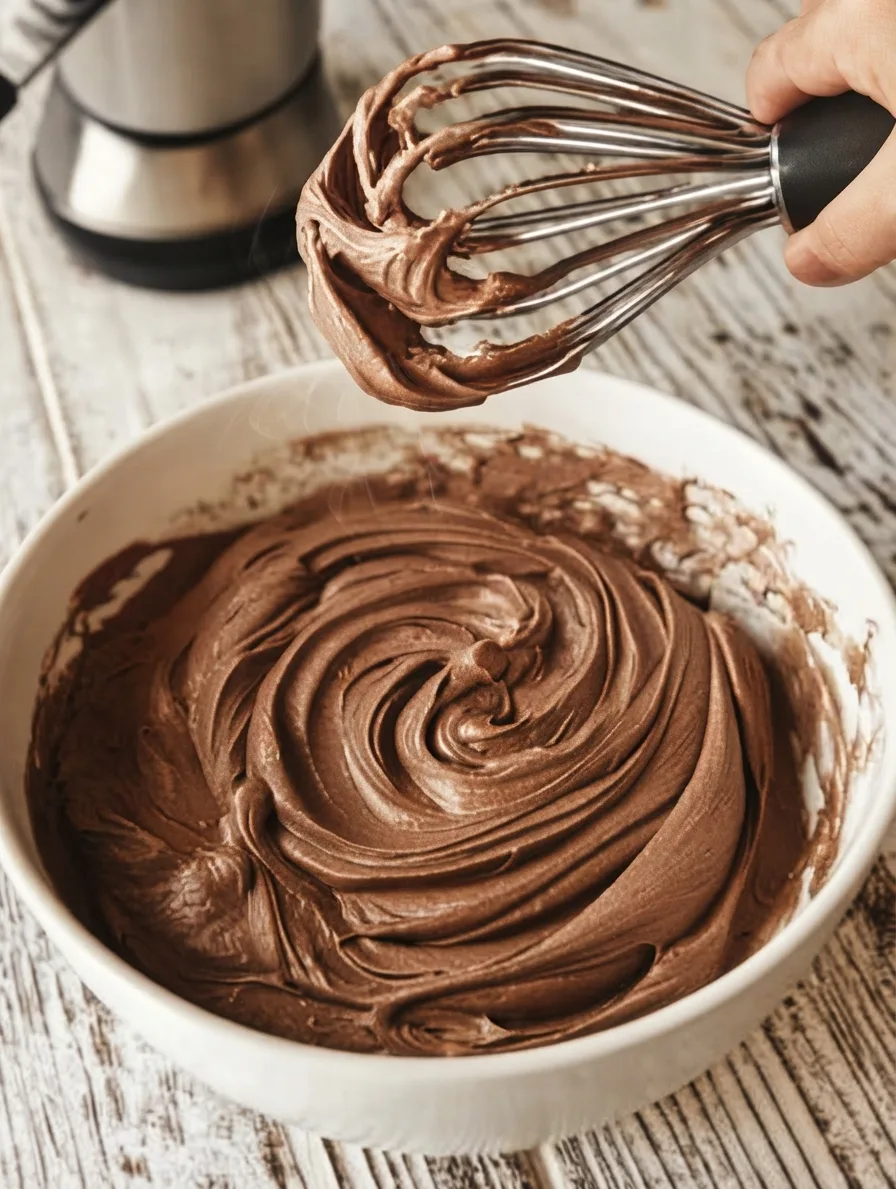
In another bowl, whisk together Greek yogurt, egg yolks, sweetener, cornstarch, vanilla, lemon juice, lemon zest, and salt until smooth and lump-free. - Whip the egg whites.
Add cream of tartar to the egg whites and beat on medium speed until foamy. Increase to medium-high and continue beating for approximately 3–5 minutes, until soft-to-medium peaks form. - Fold gently.
Add about one-third of the whipped egg whites to the yogurt mixture and fold gently. Add the remaining whites in two additions, folding slowly until no large white streaks remain. - Transfer to the pan.
Pour the batter into the prepared pan and gently smooth the surface. Tap the pan very lightly once or twice to remove only large air pockets without deflating the batter. - Bake gently.
Bake at 325°F (165°C) for approximately 40–45 minutes. The top should be lightly golden, and the center should look set with a slight soft wobble. - Cool gradually.
Turn off the oven and leave the cake inside with the door slightly open for approximately 10 minutes. This gradual cooling helps reduce sudden shrinkage. - Cool completely.
Remove the cake from the oven and allow it to cool in the pan for another 20–30 minutes before carefully removing it. - Chill and serve.
Refrigerate for at least 1 hour before slicing. Serve chilled with fresh berries, lemon zest, cinnamon, or a small dusting of powdered sweetener.
High-protein cooking tip: Use thick Greek yogurt with a high protein content and avoid substituting it with thin regular yogurt. Gentle folding is equally important because maintaining the whipped egg-white volume is what gives this protein-rich cake its signature texture.
Nutrition Facts (Per Serving – Approximate)
- Calories: 125 kcal
- Fat: 3 g
- Cholesterol: 95 mg
- Sodium: 145 mg
- Potassium: 105 mg
- Total Carbohydrates: 10 g
- Fiber: 0 g
- Net Carbs: 10 g
- Sugars: 3 g
- Protein: 13 g
- Calcium: 85 mg
Nutrition values are approximate and can vary significantly depending on the Greek yogurt, sweetener, and other brands used.
Notes
- Storage: Keep refrigerated in an airtight container for up to 4 days.
- Freezing: Freeze individual wrapped portions for up to 1 month for best quality.
- Reheating: Reheating is not recommended; serve chilled or at cool room temperature.
- Allergy note: This recipe contains dairy and eggs. Cornstarch is naturally gluten-free, but check packaging if cross-contact is a concern.
- Flavor boost: Add orange zest, almond extract, cinnamon, or a small amount of unsweetened cocoa powder.
- Serving idea: Top with fresh strawberries, blueberries, raspberries, or a spoonful of Greek yogurt.
- Texture tip: Avoid cutting the cake while warm because the delicate center needs time to fully set.
Frequently Asked Questions
1. Can I use regular yogurt instead of Greek yogurt?
Greek yogurt is strongly preferred because its thicker consistency helps the cake set properly.
2. Why did my cloud cake collapse?
Some settling is normal, but excessive collapse usually results from underbaking, overmixing, or cooling the cake too quickly.
3. Can I make this cake without cornstarch?
Cornstarch helps stabilize the delicate structure, so omitting it may produce a softer and less stable cake.
4. Can I add fruit to the batter?
Yes, but small amounts of well-drained berries are best because excess moisture can affect the cake’s delicate structure.
5. Can I use flavored Greek yogurt?
Yes, although the added sugar and flavorings can change the sweetness, carbohydrates, and final texture.
6. Should this cake be served warm or cold?
It is best chilled because refrigeration helps the delicate yogurt-based structure firm up and makes the texture easier to slice.