Description
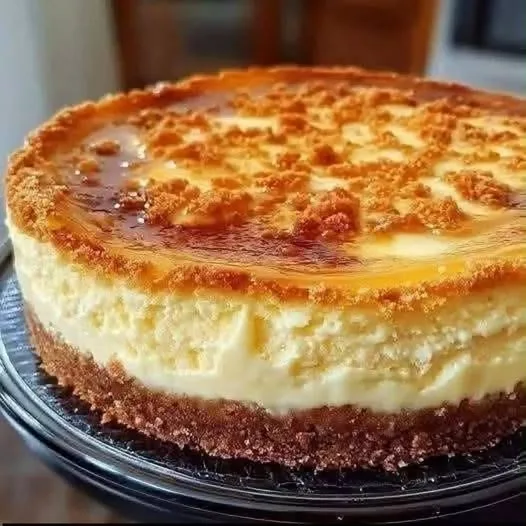
This Creamy Caramel Cheesecake is a rich, smooth, and irresistible dessert featuring a velvety cream cheese filling topped with buttery caramel sauce. Its creamy texture, delicate vanilla flavor, and sweet caramel finish make every slice feel special, whether you’re serving it for a celebration or enjoying a relaxing dessert at home.
Made with cream cheese, eggs, and Greek yogurt, this cheesecake provides some protein while delivering classic dessert comfort. For a lower-carb version, you can use a low-carb almond flour crust and a sugar-free caramel topping, creating a keto-style cheesecake without sacrificing its creamy appeal.
Can This Creamy Caramel Cheesecake Support Weight Loss Goals?
This cheesecake can fit into a balanced eating plan when enjoyed in a portion that suits your overall needs. Cream cheese and eggs provide some protein, while Greek yogurt can increase the protein content and create a smooth filling. Protein contributes to fullness, but the dessert can still be calorie-dense because of its fat and caramel topping.
For a lighter variation, use part-skim cream cheese, plain Greek yogurt, and a measured amount of caramel sauce. Choosing a sugar-free caramel alternative can reduce added sugar, although it does not automatically make the cheesecake calorie-free or carbohydrate-free.
Does Creamy Caramel Cheesecake Fit a High-Protein Lifestyle?
This cheesecake provides moderate protein from cream cheese, eggs, and Greek yogurt. A traditional biscuit crust and regular caramel sauce contribute additional carbohydrates, so the standard version is not naturally low-carb or keto-friendly. Using an almond flour crust and a suitable sugar-free caramel topping can lower the carbohydrate content. Adding Greek yogurt can improve the protein content without making the filling too heavy. For a genuinely high-protein dessert, consider a recipe formulated with additional protein-rich ingredients and calculate the nutrition using the exact products.
Why This Recipe Is Special
- Creamy texture: Cream cheese and Greek yogurt create a smooth, rich filling.
- Caramel sweetness: A glossy caramel topping adds buttery flavor and an elegant finish.
- Customizable ingredients: Choose a classic biscuit crust or an almond flour base for a lower-carb variation.
- Make-ahead friendly: Chilling gives the cheesecake time to set and allows the flavors to develop.
- Special-occasion appeal: Its creamy layers and caramel topping make it a beautiful dessert for sharing.
My Personal Experience
– I love the smooth, creamy filling. The combination of cream cheese and Greek yogurt creates a rich texture with a gentle tang. Chilling the cheesecake thoroughly helps every slice hold its shape.
– The caramel topping makes every slice feel indulgent. Its buttery sweetness complements the slight tanginess of the cream cheese. Drizzling the sauce just before serving creates an attractive glossy finish.
– It is an excellent make-ahead dessert. Preparing the cheesecake the day before gives it enough time to chill and set. This makes serving dessert at a gathering much easier.
– I enjoy how easy it is to customize. Vanilla, a pinch of sea salt, or a little extra caramel can change the flavor profile. A low-carb crust also makes it easier to adapt the recipe to different preferences.
Perfect For
- Birthday parties and family celebrations.
- Weekend desserts and special dinners.
- Holiday dessert tables.
- Make-ahead treats for guests.
- Small dessert portions alongside coffee or tea.
- Low-carb meal plans when prepared with suitable substitutions.
Why You’ll Love This Recipe
– Rich caramel flavor: The caramel sauce adds sweetness and buttery depth to the creamy filling. A small drizzle on each slice gives every serving an attractive finish.
– Smooth and velvety: Properly softened cream cheese helps create a lump-free filling. Gentle mixing keeps the texture creamy rather than dense or uneven.
– Easy to prepare in advance: The cheesecake can chill overnight before serving. You can add the caramel topping when you’re ready to present it.
– Flexible for different diets: An almond flour crust and suitable sugar-free caramel can reduce carbohydrates. Ingredient substitutions will change the final taste and nutrition values.
– Beautiful for sharing: Each slice looks elegant with caramel sauce and a light sprinkle of sea salt. It works equally well for celebrations and a simple homemade dessert.
Common Mistakes to Avoid
- Using cold cream cheese: Cold cream cheese can leave lumps in the filling; let it soften at room temperature before mixing.
- Overmixing the eggs: Excessive mixing after adding eggs can incorporate too much air and contribute to cracking.
- Baking at too high a temperature: High heat can cause the edges to overcook before the center sets; use a moderate oven temperature.
- Cutting before chilling: Cheesecake needs several hours to firm up, so chill it thoroughly before slicing.
Required Equipment
- Springform pan (8 inches): Makes it easier to remove the cheesecake without damaging its sides.
- Mixing bowls: Keep the filling and crust ingredients easy to combine.
- Electric mixer: Creates a smooth cream cheese mixture with fewer lumps.
- Rubber spatula: Helps scrape the bowl and fold ingredients evenly.
- Measuring cups and spoons: Keep ingredient quantities consistent.
- Baking tray: Provides a stable surface for the springform pan in the oven.
- Sharp knife: Helps create neat slices when the cheesecake is fully chilled.
Storage Instructions
Refrigerator: Store the cheesecake in an airtight container or cover the springform pan tightly. Refrigerate at 40°F (4°C) or below and consume within 3–4 days.
Freezer: Freeze individual slices without extra caramel topping, wrapping each one tightly before placing it in a freezer-safe container. Freeze for up to 2 months for best quality. Thaw overnight in the refrigerator.
Reheating: Cheesecake is best served chilled, so reheating is not necessary. Let a slice stand at room temperature for about 10–15 minutes before serving if you prefer a softer texture.
High-protein storage tip: Keep the cheesecake refrigerated consistently because it contains dairy and eggs. If using Greek yogurt or another protein-rich ingredient, follow the same refrigeration guidance and avoid leaving the dessert at room temperature for more than two hours.
Recipe Details
- Preparation Time: 25 minutes
- Cooking Time: 50–60 minutes
- Chilling Time: At least 6 hours
- Total Time: Approximately 7 hours 25 minutes, including minimum chilling
- Servings: 10 slices
- Best Season: All-season
- Total Calories per Serving: Approximately 390 calories
Nutrition is estimated for the classic version with a biscuit crust and regular caramel topping.
Short 3-Line Description
Creamy Caramel Cheesecake combines a smooth vanilla cream cheese filling with a buttery crust and sweet caramel topping. It’s an elegant make-ahead dessert with a rich flavor and velvety texture. Try the almond flour crust and sugar-free caramel variation for a lower-carb option.
📝 Ingredients
For the crust
- 1½ cups (150 g) graham cracker or digestive biscuit crumbs
- 5 tablespoons (70 g) unsalted butter, melted
- 1 tablespoon (12 g) granulated sugar
For the cheesecake filling
- 16 oz (450 g) cream cheese, softened
- ½ cup (100 g) granulated sugar
- ½ cup (120 g) plain Greek yogurt
- 2 large eggs, at room temperature
- 1 teaspoon vanilla extract
- 1 tablespoon (8 g) all-purpose flour
- 1 teaspoon lemon juice
For the caramel topping
- ½ cup (160 g) caramel sauce
- 2 tablespoons (30 ml) heavy cream, if needed to thin the sauce
- A small pinch of flaky sea salt, optional
Ingredient notes: Full-fat cream cheese gives the richest texture. Plain Greek yogurt adds protein and a slight tang. For a lower-carb variation, use an almond flour crust and a sugar-free caramel sauce suitable for baking or topping.
Directions
1. Preheat the oven. Heat the oven to 325°F (165°C). Lightly grease an 8-inch springform pan and line the base with parchment paper.
2. Prepare the crust. Combine the biscuit crumbs, melted butter, and sugar in a bowl. Mix until the crumbs resemble damp sand and hold together when pressed.
3. Press and bake the crust. Press the mixture firmly into the bottom of the pan. Bake for 8–10 minutes until lightly fragrant, then let it cool while preparing the filling.
4. Mix the cream cheese. Beat the softened cream cheese and sugar on medium-low speed for 1–2 minutes until smooth. Scrape down the sides of the bowl to remove any lumps.
5. Add the remaining filling ingredients. Mix in the Greek yogurt, vanilla, lemon juice, and flour until combined. Add the eggs one at a time, mixing on low speed just until each is incorporated. Avoid overmixing.
6. Fill the pan. Pour the cheesecake mixture over the cooled crust. Gently tap the pan on the counter to release large air bubbles.
7. Bake the cheesecake. Bake at 325°F (165°C) for approximately 50–60 minutes. The edges should look set while the center remains slightly wobbly when the pan is gently moved. If the top browns too quickly, loosely cover it with foil.
8. Cool gradually. Turn off the oven and leave the cheesecake inside with the door slightly open for 15–20 minutes. Transfer it to a cooling rack and let it cool further before refrigerating.
9. Chill until firm. Cover the cooled cheesecake and refrigerate for at least 6 hours, preferably overnight. Chilling helps the filling set and makes slicing easier.
10. Add the caramel topping. Stir the caramel sauce until smooth. If it is too thick, gently warm it and mix in a little cream. Let it cool until just warm, then spread it over the chilled cheesecake.
11. Slice and serve. Use a sharp knife dipped in warm water and wiped dry between cuts. Add a small pinch of flaky sea salt if desired, and serve chilled.
High-protein tip: Greek yogurt contributes protein, but this remains a dessert rather than a concentrated protein source. For a higher-protein variation, use a tested cheesecake recipe formulated with additional protein-rich ingredients, since simply adding protein powder may alter the texture and moisture balance.
Nutrition Facts (Per Serving – Approximate)
Estimated for 1 of 10 slices, using the classic biscuit crust and regular caramel sauce.
| Nutrient | Approximate amount |
|---|---|
| Calories | 390 kcal |
| Total Fat | 25 g |
| Saturated Fat | 14 g |
| Cholesterol | 95 mg |
| Sodium | 300 mg |
| Potassium | 150 mg |
| Total Carbohydrates | 35 g |
| Fiber | 1 g |
| Net Carbs | 34 g |
| Sugars | 25 g |
| Protein | 7 g |
| Calcium | 100 mg |
These are estimates, not laboratory measurements. Actual values vary by biscuit brand, cream cheese, caramel sauce, and slice size. The lower-carb version will have different nutrition values.
Notes
- For a smooth filling: Bring the cream cheese and eggs to room temperature before mixing.
- For cleaner slices: Chill overnight and wipe the knife between cuts.
- For extra flavor: Add a pinch of sea salt to the caramel, or use a little cinnamon in the crust.
- For a lower-carb version: Replace the biscuit crust with a mixture of almond flour and melted butter, and use a suitable sugar-free caramel topping.
- For allergies: This recipe contains dairy, eggs, and gluten in the traditional crust. Almond flour contains tree nuts, so choose an alternative crust if needed.
- For food safety: Refrigerate the cheesecake within two hours of serving and do not leave it sitting out for extended periods.
- For caramel consistency: Let warm caramel cool slightly before spreading it over the chilled cheesecake to avoid softening the filling.
Frequently Asked Questions
1. Can I make Creamy Caramel Cheesecake a day ahead? Yes, making it the day before allows the filling to set fully and makes serving easier.
2. How do I know when the cheesecake is baked? The edges should be set while the center still has a gentle wobble, which will firm up as the cheesecake cools and chills.
3. Can I make this cheesecake without a water bath? Yes, baking at a moderate temperature and cooling gradually can help reduce cracking without using a water bath.
4. Can I make this recipe low-carb? Yes, use an almond flour crust, a suitable sugar-free caramel topping, and a sweetener designed for baking to reduce carbohydrates.
5. Can I freeze Creamy Caramel Cheesecake? Yes, freeze individual slices without the topping for up to 2 months for best quality, then thaw them overnight in the refrigerator.
6. Is Creamy Caramel Cheesecake high in protein? The classic recipe provides some protein from cream cheese, eggs, and Greek yogurt, but it is not especially high in protein compared with a protein-focused dessert.