Description
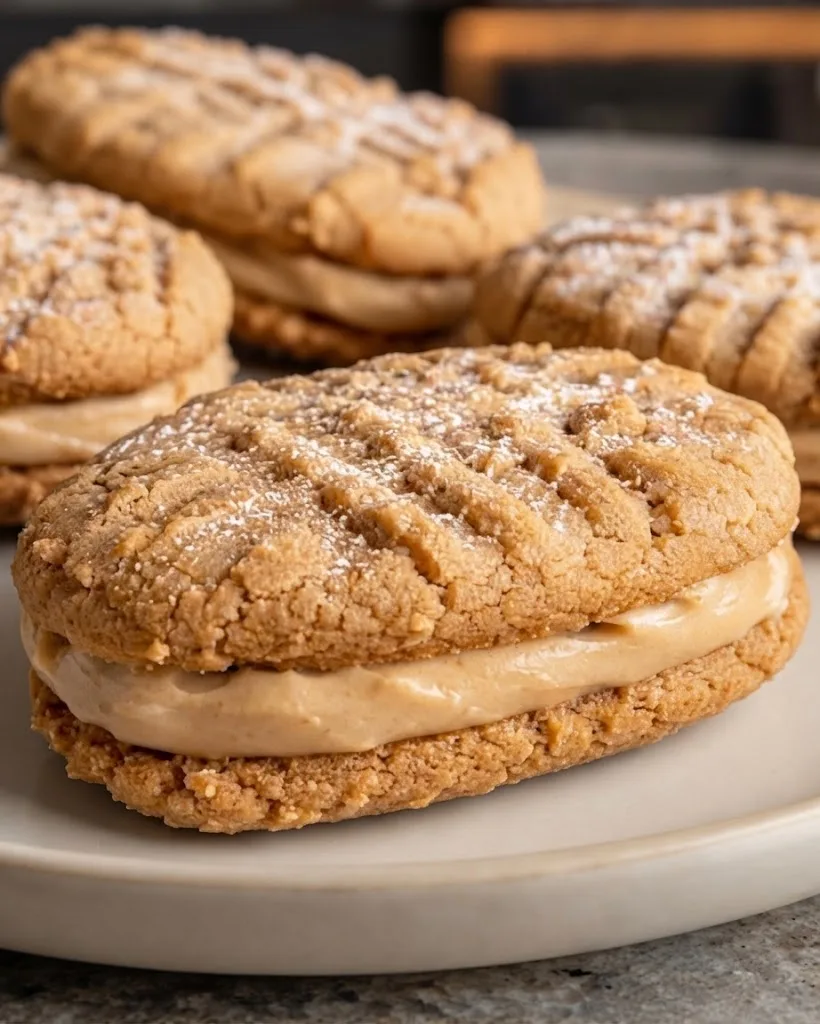
These Sugar-Free Nutter Butter Cookies are a homemade twist on the classic peanut butter sandwich cookie, featuring a rich roasted-peanut flavor, a tender, slightly crisp exterior, and a creamy peanut butter filling. Made with almond flour and a sugar-free sweetener, they’re a delicious option for anyone looking to enjoy a peanut butter dessert with less added sugar. They’re also easy to prepare at home and perfect for keeping in the fridge for a quick sweet treat.
Peanut butter and almond flour provide some protein and healthy fats, while the reduced-sugar ingredients help keep added sugars low. These cookies can fit into some low-carb eating plans, depending on the ingredients and serving size, but they are not automatically high-protein or suitable for every diabetes-conscious diet.
Can These Sugar-Free Nutter Butter Cookies Support Weight Loss Goals?
These cookies may fit into a balanced eating plan when enjoyed in moderation. Peanut butter and almond flour provide fats and some protein, which can make the cookies more satisfying than some low-fat sweets. However, both ingredients are calorie-dense, so portion size still matters. Using a suitable sugar-free sweetener instead of regular sugar reduces added sugar, but it does not make the cookies calorie-free. For a more balanced snack, enjoy one or two cookies alongside a protein-rich food such as plain Greek yogurt.
Do These Sugar-Free Nutter Butter Cookies Fit a High-Protein Lifestyle?
These cookies contain some protein from peanut butter, almond flour, and the egg, but they are best described as a moderate-protein treat rather than a high-protein snack. Depending on the ingredients and portion size, each serving provides approximately 4 g of protein and 3 g of net carbohydrates. Almond flour helps keep the carbohydrate content lower than traditional wheat flour, while a sugar-free sweetener reduces added sugar. For a higher-protein option, you can add a small amount of protein powder and adjust the moisture carefully. Check product labels because sweeteners and nut flours vary in their carbohydrate content.
Why This Recipe Is Special
- No added sugar: A suitable sugar-free sweetener provides sweetness without regular table sugar.
- Rich peanut butter flavor: Peanut butter gives the cookies their familiar nutty taste.
- Lower-carb ingredients: Almond flour can reduce carbohydrates compared with traditional all-purpose flour.
- Homemade sandwich cookies: A creamy peanut butter filling makes these cookies feel like a special dessert.
- Easy to customize: Adjust the sweetness or add a little vanilla for extra flavor.
My Personal Experience
– The peanut butter flavor stands out. Using creamy, unsweetened peanut butter gives the cookies a rich, roasted-nut taste without relying on added sugar.
– The cookies become firmer as they cool. Allowing them to cool completely helps the almond-flour cookies hold together before adding the filling.
– The filling adds a creamy contrast. A smooth peanut butter filling pairs nicely with the slightly crisp edges of the baked cookies.
– A little sweetener goes a long way. Tasting the filling before assembling the cookies helps you adjust sweetness to your preference.
These points describe the recipe’s expected results rather than personal cooking or tasting claims.
Perfect For
- Afternoon snacks with tea or coffee
- Homemade dessert platters
- Sugar-conscious treat options
- Make-ahead snacks for the week
- Peanut butter lovers looking for a lower-sugar cookie
- Small desserts for family gatherings
Why You’ll Love This Recipe
– Classic peanut butter taste: These cookies highlight the creamy, nutty flavor of peanut butter. The sandwich filling makes each bite feel like a familiar bakery-style treat.
– Less added sugar: A suitable sugar-free sweetener replaces regular sugar in the cookie dough and filling. This can help reduce added sugar while keeping the dessert sweet.
– Simple baking method: The dough comes together with everyday baking tools and a short ingredient list. There is no complicated decorating technique required.
– Easy portion control: Making individual sandwich cookies helps you decide on a serving size. Storing them in separate portions can also make snack planning easier.
Common Mistakes to Avoid
- Using overly runny peanut butter: Excess oil can make the dough soft and cause the cookies to spread too much.
- Overbaking the cookies: Almond-flour cookies can dry out quickly, so remove them when the edges are lightly golden.
- Filling cookies before they cool: Warm cookies can soften the filling and break when handled.
- Using a coarse sweetener: Some granulated sugar substitutes remain gritty; powdered sweetener generally produces a smoother texture.
Required Equipment
- Mixing bowls — keep the cookie dough and filling ingredients easy to combine.
- Measuring cups and spoons — help maintain consistent cookie sizes and nutrition estimates.
- Electric hand mixer or sturdy whisk — makes it easier to cream the peanut butter and butter smoothly.
- Baking sheet — provides a flat surface for evenly baked cookies.
- Parchment paper — helps prevent sticking and simplifies cleanup.
- Cooling rack — lets the cookies cool evenly before filling.
- Fork — creates the traditional crosshatch pattern on the cookies.
Storage Instructions
- Room temperature: If your kitchen is cool and the filling contains only shelf-stable ingredients, store the cookies in an airtight container for up to 2 days.
- Refrigerator: For the best quality and food safety, keep the filled cookies in an airtight container for up to 5–7 days, especially if the filling includes butter or other perishable ingredients.
- Freezer: Freeze the cookies in a sealed freezer-safe container, separating layers with parchment paper, for up to 2 months.
- Thawing: Let frozen cookies soften in the refrigerator or at room temperature briefly before serving.
- Reheating: These cookies are best served at room temperature; heating can soften the filling and change the texture.
Recipe Details
- Preparation Time: 20 minutes
- Cooking Time: 10–12 minutes
- Cooling and Assembly Time: 20 minutes
- Total Time: Approximately 50 minutes
- Servings: 12 sandwich cookies
- Best Season: All-season
- Total Calories per Serving: Approximately 170 calories per sandwich cookie
Nutrition values are estimates and depend on the specific peanut butter, almond flour, sweetener, and filling ingredients used.
Short Description
These Sugar-Free Nutter Butter Cookies combine peanut butter cookies with a creamy, nutty filling. Almond flour and a sugar-free sweetener create a lower-sugar alternative to traditional sandwich cookies. Enjoy them as a homemade dessert in portions that fit your eating preferences.
📝 Ingredients
Makes 12 sandwich cookies.
For the Cookies
- 1 cup (112 g) blanched almond flour
- ½ cup (128 g) creamy, unsweetened peanut butter
- ¼ cup (56 g) unsalted butter, softened
- ¼ cup powdered erythritol or another suitable sugar-free sweetener
- 1 large egg
- 1 teaspoon vanilla extract
- ½ teaspoon baking powder
- ¼ teaspoon salt
For the Peanut Butter Filling
- ¼ cup (64 g) creamy peanut butter
- 2 tablespoons (28 g) unsalted butter, softened
- 2 tablespoons powdered sugar-free sweetener, or to taste
- ½ teaspoon vanilla extract
- 1–2 teaspoons unsweetened almond milk, only if needed
Ingredient notes:
- Use powdered sweetener for a smoother dough and filling.
- Choose peanut butter without added sugar if you want to keep added sugars low.
- Almond flour is not interchangeable with almond meal in every recipe; finer flour usually gives a more delicate cookie.
- Erythritol-based sweeteners may have a cooling aftertaste, so choose one you enjoy.
Directions
1. Preheat the oven. Heat the oven to 350°F (175°C). Line a baking sheet with parchment paper so the cookies release easily after baking.
2. Cream the butter and peanut butter. In a mixing bowl, beat the softened butter, ½ cup peanut butter, and powdered sweetener for 1–2 minutes until smooth and creamy.
3. Add the egg and vanilla. Beat in the egg and vanilla until combined. Scrape the sides of the bowl so the ingredients are evenly mixed.
4. Mix the dry ingredients. In a separate bowl, stir together the almond flour, baking powder, and salt. Add the dry ingredients to the peanut butter mixture and mix until a soft dough forms. If the dough is very sticky, chill it for 10–15 minutes.
5. Shape the cookies. Divide the dough into 24 small, evenly sized portions and roll each into a ball. Place them on the baking sheet with space between them, then flatten gently with your fingers. Press each cookie with a fork in a crosshatch pattern.
6. Bake until lightly golden. Bake for 10–12 minutes, checking from 9 minutes onward. The edges should look lightly golden while the centers remain slightly soft. Avoid waiting for the entire cookie to become dark, as almond flour can dry out quickly.
7. Cool completely. Leave the cookies on the baking sheet for about 10 minutes, then transfer them to a cooling rack. Let them cool fully before filling so they do not crumble or melt the filling.
8. Prepare the filling. Beat the remaining peanut butter, softened butter, powdered sweetener, and vanilla until creamy. If the mixture is too thick, add almond milk a teaspoon at a time until spreadable.
9. Assemble the sandwich cookies. Spread or pipe a small amount of filling onto the flat side of 12 cookies. Top with the remaining cookies and press gently until the filling reaches near the edges.
10. Set and serve. Refrigerate the sandwich cookies for 15–20 minutes if you want a firmer filling. Serve at room temperature or chilled, and store leftovers in an airtight container.
High-protein tip: If you want to increase the protein, try adding a small amount of peanut or whey protein powder to the filling. Add a little almond milk if needed, and recalculate the nutrition information based on the product label.
Nutrition Facts (Per Serving – Approximate)
Estimated per one sandwich cookie, assuming 12 finished cookies and the ingredients listed above.
| Nutrient | Approximate amount |
|---|---|
| Calories | 170 kcal |
| Total Fat | 15 g |
| Saturated Fat | 5 g |
| Cholesterol | 25 mg |
| Sodium | 105 mg |
| Potassium | 120 mg |
| Total Carbohydrates | 5 g |
| Fiber | 2 g |
| Net Carbs | 3 g |
| Sugars | 1 g |
| Protein | 4 g |
| Calcium | 35 mg |
These values are estimates, not laboratory measurements. Sweeteners, peanut butter brands, and serving sizes can significantly change the nutrition totals.
Notes
- Storage: Refrigerate filled cookies in an airtight container for best quality.
- Reheating: No reheating is needed; allow chilled cookies to sit briefly at room temperature if you prefer a softer filling.
- Allergy information: Contains peanuts, almonds, eggs, and dairy. Use suitable alternatives only if you know they work with the recipe.
- Flavor boosts: Add a pinch of cinnamon or extra vanilla for a warmer flavor.
- Texture adjustment: If the dough is too soft, chill it briefly; if it is too dry, mix in a teaspoon of peanut butter.
- Sugar-free note: Sugar-free does not mean carbohydrate-free or calorie-free, and some sweeteners may cause digestive discomfort in larger amounts.
- Protein note: These cookies provide some protein but should not be considered a major protein source on their own.
Frequently Asked Questions
1. Are these Sugar-Free Nutter Butter Cookies diabetic-friendly? They have no regular added sugar when made as directed, but carbohydrates and calories still count, so portion size and individual dietary needs matter.
2. Are these cookies keto-friendly? They may fit some low-carb plans because almond flour replaces wheat flour, but check the nutrition labels and serving size to confirm the carbohydrate content.
3. Can I make the cookies without almond flour? Almond flour is important to this recipe’s texture, so replacing it with another flour may require different quantities and a tested recipe.
4. Can I use crunchy peanut butter? Yes, crunchy peanut butter adds texture, although the cookies and filling will be less smooth.
5. How can I make these cookies higher in protein? You can add a small amount of suitable protein powder to the filling, but adjust the liquid and recalculate the nutrition values.
6. Can I freeze these sandwich cookies? Yes, freeze them in an airtight container with parchment between layers for up to 2 months for best quality.