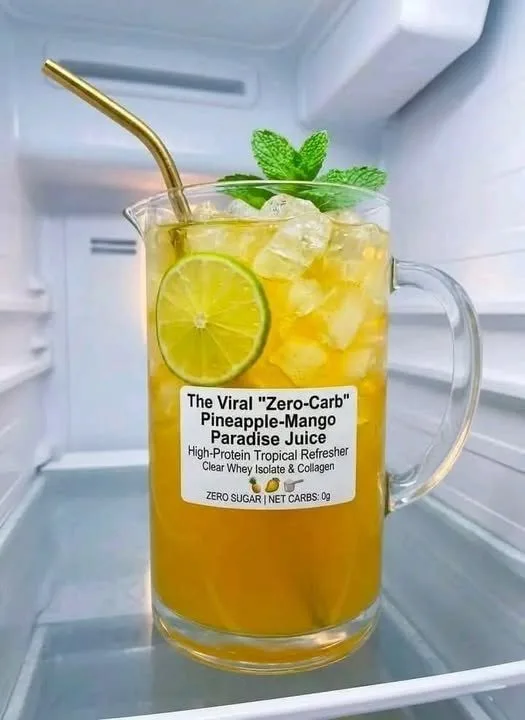
Description
This Low-Carb Mango Pineapple Protein Juice combines tropical mango and pineapple flavors into a refreshing, fruity drink with a smooth, satisfying texture. A lighter, sugar-conscious version of a tropical juice, it uses unsweetened ingredients and added protein to create a convenient drink for active days. It is a delicious option for anyone looking for a low-carb protein drink, although the carbohydrate content depends on the fruit portions and protein powder used.
Can This Low-Carb Mango Pineapple Protein Juice Support Weight Loss Goals?
Yes, this drink can fit into a balanced weight-management plan when prepared with measured fruit portions and a suitable protein source. Protein powder or plain Greek yogurt can increase the protein content, helping make the drink more satisfying than ordinary fruit juice. Using water or unsweetened almond milk instead of fruit juice or sweetened milk can help control calories and added sugars. However, mango and pineapple naturally contain carbohydrates, so this recipe is not automatically low-carb simply because it contains no added sugar.
Does This Recipe Fit a High-Protein Lifestyle?
This tropical drink can support a high-protein lifestyle when made with whey isolate or another protein-rich ingredient. Mango and pineapple contribute natural sweetness, vitamins, and refreshing fruit flavor, but they also add carbohydrates. Using small portions of fruit, unsweetened almond milk, and a low-carb protein powder can help reduce the net carb count. Depending on the quantities used, one serving may provide approximately 20–25 grams of protein. It can fit some low-carb eating plans, but the nutrition depends on the specific ingredients.
Why This Recipe Is Special
- Tropical flavor: Mango and pineapple create a naturally sweet, fruity combination.
- Protein boost: Protein powder or Greek yogurt makes the drink more protein-rich.
- Customizable carbohydrates: Smaller fruit portions can help control the carbohydrate content.
- Quick preparation: Blend the ingredients in just a few minutes.
- Refreshing texture: Ice creates a cool, smoothie-like drink without requiring added sugar.
My Personal Experience
– The tropical flavors work beautifully together. Mango provides a smooth, mellow sweetness, while pineapple adds a bright, tangy finish.
– The texture is easy to customize. Blending with ice creates a thicker drink, while adding water makes it lighter and easier to sip.
– It is convenient after a workout. Adding protein powder turns this fruity drink into a convenient protein-containing snack.
– The sweetness is easy to adjust. Using ripe mango and pineapple in measured portions can provide plenty of flavor without extra sugar.
Perfect For
- A quick breakfast alongside a balanced meal.
- A refreshing afternoon snack.
- A convenient post-workout protein drink.
- Warm-weather refreshments.
- People looking for a homemade alternative to sweetened fruit drinks.
- Meal plans that prioritize protein and measured carbohydrate portions.
Why You’ll Love This Recipe
– Fresh tropical taste: Mango and pineapple deliver a bright, fruity flavor without needing added sugar.
– Easy protein upgrade: Your preferred protein powder can make the drink more filling and protein-rich.
– Simple preparation: A blender is all you need to create a smooth drink in minutes.
– Flexible consistency: Adjust the ice and liquid to make it thicker or lighter.
– Easy portion control: Preparing individual servings makes it easier to monitor fruit, carbohydrate, and calorie intake.
Common Mistakes to Avoid
- Adding too much fruit: Large quantities of mango and pineapple can quickly increase the sugar and carbohydrate content.
- Using sweetened juice: Packaged fruit juice can add considerable sugar and calories without providing much protein.
- Adding protein powder incorrectly: Pour in the liquid first and blend gradually to reduce clumping.
- Blending for too long: Excessive blending can warm the drink and melt the ice, making it less refreshing.
Required Equipment
- Blender — Creates a smooth mixture from fruit, protein powder, and ice.
- Measuring cups — Help keep fruit portions consistent.
- Measuring spoons — Make it easier to portion optional flavorings.
- Kitchen scale — Provides more accurate fruit portions for nutrition tracking.
- Serving glass or shaker bottle — Makes the drink easy to serve or take on the go.
Storage Instructions
- Refrigerator: Store in a sealed bottle or airtight container for up to 24 hours. Shake or blend briefly before drinking because the ingredients may separate.
- Freezer: Freeze in individual freezer-safe containers or ice-cube trays for up to 1 month for best quality. Thaw in the refrigerator and blend again before serving.
- Meal prep: For the freshest flavor and texture, prepare the drink immediately before consumption.
- Food safety: Refrigerate promptly and do not leave the protein drink at room temperature for more than 2 hours.
- Protein tip: Follow the storage instructions for your protein powder and any dairy ingredients, and avoid keeping a prepared shake unrefrigerated for extended periods.
Recipe Details
- Preparation Time: 5 minutes
- Cooking Time: 0 minutes
- Total Time: 5 minutes
- Servings: 1
- Best Season: All-season, especially summer
- Total Calories Per Serving: Approximately 170–220 calories, depending on the protein powder and liquid used.
Short 3-Line Description
This Low-Carb Mango Pineapple Protein Juice combines tropical fruit flavor with a convenient protein boost. Made with measured fruit portions, unsweetened liquid, and protein powder, it offers a refreshing alternative to sugary drinks. Enjoy it as a quick snack or a convenient addition to your daily protein intake.
📝 Ingredients
- ¼ cup diced mango (approximately 40 g)
- ¼ cup diced pineapple (approximately 40 g)
- 1 scoop vanilla whey protein isolate (approximately 30 g; choose a low-carb, unsweetened or lightly sweetened option)
- ¾ cup unsweetened almond milk (180 ml)
- ½ cup ice cubes
- ¼ teaspoon fresh lime juice (optional)
- ¼ cup cold water, as needed for consistency
Ingredient notes:
- Fresh or frozen fruit works well; frozen fruit creates a thicker drink.
- Check the protein powder label for added sugars, carbohydrates, and allergens.
- This is a blended protein drink rather than strained juice, so it retains more of the fruit’s fiber.
Directions
1. Measure the fruit. Dice the mango and pineapple into small pieces, measuring the portions carefully to keep the carbohydrate content consistent.
2. Add the liquid. Pour the unsweetened almond milk into the blender first. This helps the blades move freely and makes blending easier.
3. Add the fruit and ice. Add the mango, pineapple, and ice cubes. Blend on medium speed for approximately 20–30 seconds until the fruit is finely broken down.
4. Add the protein powder. Sprinkle in the whey protein isolate and blend on low to medium speed for another 15–20 seconds, until smooth and evenly combined.
5. Adjust the consistency. Add cold water a tablespoon at a time if the drink is too thick. Blend briefly until it reaches a smooth, pourable texture.
6. Finish with lime. Add the optional lime juice and blend for 5 seconds. Taste and adjust the flavor without automatically adding sugar or syrup.
7. Serve immediately. Pour into a chilled glass and enjoy while cold and frothy.
High-protein tip: Use a protein powder that provides around 20–25 grams of protein per serving, and check the label rather than assuming every scoop contains the same amount.
Nutrition Facts (Per Serving – Approximate)
Estimated for the ingredients listed above, including one scoop of whey protein isolate. Actual values vary by brand.
| Nutrient | Amount |
|---|---|
| Calories | 190 kcal |
| Total Fat | 2.5 g |
| Cholesterol | 10 mg |
| Sodium | 190 mg |
| Potassium | 350 mg |
| Total Carbohydrates | 16 g |
| Fiber | 2 g |
| Net Carbs | 14 g |
| Sugars | 10 g |
| Protein | 25 g |
| Calcium | 350 mg |
Notes
- Storage: Drink freshly blended for the best texture, or refrigerate in a sealed container for up to 24 hours.
- Reheating: This drink is served cold and does not require reheating.
- Allergy information: Whey protein contains milk; almond milk contains tree nuts. Use an appropriate alternative if you have an allergy.
- Flavor boosts: Add a small amount of lime juice, fresh mint, or a pinch of ginger.
- Lower-carb adjustment: Reduce the mango and pineapple portions and replace some of the fruit with ice, while recognizing that this will change the flavor and nutrition.
- Sweetener: If necessary, use a small amount of a suitable zero-calorie sweetener rather than sugar syrup.
- Important: This drink is not calorie-free or carbohydrate-free, and it should not be consumed without limits simply because it contains protein.
Frequently Asked Questions
1. Is mango pineapple protein juice keto-friendly?
The standard version contains approximately 14 grams of net carbs, so it may not fit stricter keto carbohydrate limits without modifications.
2. Is this drink suitable for a high-protein diet?
Yes, it provides approximately 25 grams of protein per serving when made with the specified protein powder.
3. Can I make this drink without protein powder?
Yes, but the protein content will be much lower unless you replace the powder with another protein-rich ingredient.
4. Can I use water instead of almond milk?
Yes, water works well and reduces calories slightly, although the drink will be less creamy.
5. Is this drink diabetic-friendly?
It may fit some diabetes-conscious meal plans in a measured portion, but the natural sugars and total carbohydrates from the fruit should be considered.
6. Can I drink as much as I want while cutting?
No, portion size still matters because fruit, protein powder, and milk alternatives contribute calories and carbohydrates even when the drink is low in added sugar.