Description
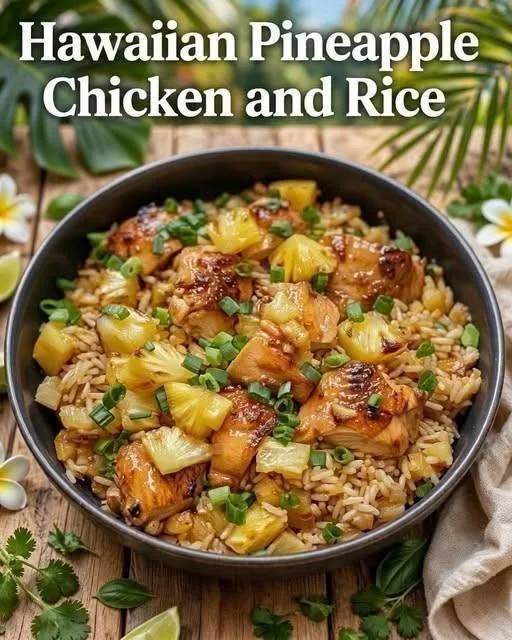
Pineapple Chicken and Rice is a colorful, sweet-and-savory meal that brings juicy chicken, tender peppers, onions, and fluffy rice together in one satisfying skillet. Pineapple adds a bright tropical sweetness, while soy sauce, garlic, and ginger create a delicious savory balance. It is an easy family dinner that feels special without requiring complicated preparation or a sink full of dishes.
This recipe is naturally rich in protein from chicken breast and can be adapted for meal prep, busy weeknights, and balanced eating. Although traditional rice and pineapple make it too high in carbohydrates for most low-carb or keto diets, you can serve the chicken and vegetables over cauliflower rice for a lower-carb alternative.
Can This Pineapple Chicken and Rice Support Weight Loss Goals?
Pineapple Chicken and Rice can fit into a balanced eating routine because chicken breast provides lean protein, which helps make meals satisfying. The vegetables contribute fiber and volume, while rice supplies carbohydrates for energy.
For a portion-conscious meal, use plenty of chicken and vegetables, measure the rice, and avoid adding excessive oil or sugar to the sauce. The pineapple provides natural sweetness, so you can adjust the amount of honey or brown sugar to suit your preferences. This recipe is not automatically a weight-loss meal, but balanced portions can help it fit your overall goals without sacrificing flavor.
Does Pineapple Chicken and Rice Fit a High-Protein Lifestyle?
Yes, it can fit a high-protein lifestyle, especially when made with generous portions of lean chicken breast. Chicken provides most of the protein, while rice supplies carbohydrates and pineapple, bell peppers, and onions contribute flavor and useful nutrients. A serving of this recipe may provide approximately 35–40 grams of protein, depending on the portion sizes. However, rice and pineapple make the dish relatively high in net carbs, at roughly 45–55 grams per serving. For a lower-carb variation, replace the rice with cauliflower rice and keep the chicken portion generous.
Why This Recipe Is Special
- Sweet and savory flavor: Pineapple adds tropical sweetness that complements the savory chicken, garlic, ginger, and soy sauce.
- Protein-rich main dish: Lean chicken breast makes this meal a satisfying option for people focusing on protein intake.
- One-pan convenience: Cooking everything in one skillet reduces cleanup and makes weeknight dinners easier.
- Meal-prep friendly: The chicken, vegetables, and rice can be divided into individual containers for convenient lunches.
- Easy to customize: Adjust the sweetness, spice level, vegetables, and rice portions to suit your preferences.
My Personal Experience
– A delicious sweet-savory combination: Pineapple brings a juicy sweetness that balances the salty, savory sauce. The result tastes vibrant without requiring a long list of seasonings.
– A practical family dinner: Chicken, vegetables, and rice make a familiar combination that works well for different appetites. You can adjust the pineapple and sauce to make the flavor milder or more intense.
– Convenient for meal prep: The ingredients portion easily into lunch containers and reheat well when stored correctly. Keeping the sauce evenly distributed helps the chicken and rice remain flavorful.
– Colorful and satisfying: Red bell pepper, golden pineapple, and tender chicken make the skillet visually appealing. The combination of protein, vegetables, and rice creates a complete, comforting meal.
Perfect For
- Busy weeknight family dinners
- High-protein lunch and dinner meal prep
- Summer-inspired meals with tropical flavors
- Easy dinners for students and busy households
- Casual family gatherings
- Balanced eating plans that include lean protein, vegetables, and measured portions of carbohydrates
Why You’ll Love This Recipe
– Simple ingredients: Chicken, pineapple, rice, and everyday seasonings create a flavorful meal without specialty ingredients. Most of the ingredients are easy to find at a regular grocery store.
– One-pan cooking: Using a large skillet makes preparation and cleanup more convenient. You can cook the chicken, vegetables, and sauce together before serving everything over fluffy rice.
– Naturally protein-rich: Chicken breast supplies substantial protein without relying on protein powders or specialty products. You can increase the protein per serving by using more chicken and slightly less rice.
– Flexible sweetness: Pineapple gives the dish a fruity flavor, so added honey or brown sugar is optional. Adjust the sweetness to suit your taste and the sweetness of your pineapple.
– Excellent leftovers: The sauce helps keep the chicken flavorful after refrigeration. Divide the finished meal into individual portions for easy lunches throughout the week.
Common Mistakes to Avoid
1. Overcooking the chicken: Chicken breast can become dry if cooked too long. Cut it into evenly sized pieces and cook until the thickest pieces reach 165°F (74°C).
2. Adding too much sauce: Excess liquid can make the rice soggy and prevent the sauce from coating the chicken properly. Measure the liquids and simmer briefly to thicken the sauce.
3. Using too much added sugar: Pineapple already provides sweetness, and too much honey or brown sugar can overpower the savory flavors. Start with a small amount and taste before adding more.
4. Crowding the skillet: Too much chicken in a small pan can cause steaming instead of browning. Cook in batches if necessary so the chicken develops a lightly golden surface.
Required Equipment
- Large skillet with a lid — Provides enough room to cook the chicken and vegetables while allowing the sauce to simmer.
- Sharp knife — Helps cut chicken, peppers, onions, and pineapple into even pieces.
- Cutting board — Provides a stable surface for preparing ingredients safely.
- Measuring cups and spoons — Keep rice, sauce, and seasonings consistent.
- Cooking spatula or wooden spoon — Makes it easy to stir the sauce and scrape flavorful browned bits from the pan.
- Meat thermometer — Helps confirm that chicken has reached a safe internal temperature of 165°F (74°C).
Storage Instructions
Refrigerator: Allow the food to cool slightly and divide it into shallow, airtight containers. Refrigerate within two hours of cooking and eat within 3–4 days. Store the chicken and rice together or separately, depending on how you prefer to reheat them.
Freezer: Freeze individual portions in freezer-safe containers or sealed freezer bags for up to 2–3 months for best quality. Label each container with the date.
Reheating: Add a tablespoon of water to each portion, cover loosely, and microwave until steaming hot throughout, stirring halfway through. You can also reheat it in a covered skillet over medium-low heat.
High-protein meal-prep tip: Keep a generous portion of chicken in each container rather than filling most of the container with rice. This helps maintain the intended protein focus of the meal.
For food safety, refrigerate cooked rice promptly rather than leaving it at room temperature for an extended period.
Recipe Details
- Preparation Time: 15 minutes
- Cooking Time: 25 minutes
- Total Time: 40 minutes
- Servings: 4
- Best Season: All-season, especially spring and summer
- Total Calories per Serving: Approximately 450 calories
Short 3-Line Description
Sweet pineapple, tender chicken, and colorful vegetables come together in a savory sauce for a delicious skillet dinner. Served with fluffy rice, this easy one-pan recipe offers a satisfying combination of protein and carbohydrates. Perfect for busy weeknights, family dinners, and high-protein meal prep.
📝 Ingredients
For the Chicken and Rice
- 1½ pounds (680 g) boneless, skinless chicken breast, cut into bite-sized pieces
- 2 cups cooked white rice, preferably prepared ahead of time
- 1½ cups pineapple chunks, fresh or canned and drained
- 1 medium red bell pepper, diced
- 1 medium yellow onion, diced
- 2 tablespoons olive oil, divided
- 3 cloves garlic, minced
- 1 teaspoon freshly grated ginger
- 2 green onions, sliced, for garnish
- 1 tablespoon sesame seeds, optional
For the Sweet-Savory Sauce
- ¼ cup low-sodium soy sauce
- ¼ cup pineapple juice, preferably unsweetened
- 1 tablespoon rice vinegar
- 1 tablespoon honey, optional
- 1 teaspoon cornstarch mixed with 1 tablespoon cold water
- ¼ teaspoon black pepper
- ¼ teaspoon red pepper flakes, optional
Ingredient notes:
- Use gluten-free tamari instead of soy sauce if you need a gluten-free option.
- Choose canned pineapple packed in juice rather than heavy syrup when possible.
- Cook the rice separately before starting this skillet recipe. This method keeps the rice texture fluffy and helps prevent uneven cooking.
- For a lower-carb variation, substitute cauliflower rice for cooked white rice.
Directions
1. Prepare the ingredients. Cut the chicken into evenly sized bite-sized pieces, dice the pepper and onion, and mince the garlic. In a small bowl, whisk together the soy sauce, pineapple juice, rice vinegar, honey if using, black pepper, and red pepper flakes.
2. Brown the chicken. Heat 1 tablespoon of olive oil in a large skillet over medium-high heat. Add the chicken in a single layer and cook for 5–7 minutes, turning occasionally, until lightly golden on the outside. Transfer to a clean plate; the chicken will finish cooking later.
3. Cook the vegetables. Add the remaining tablespoon of olive oil to the skillet. Add the onion and bell pepper and cook over medium heat for 3–4 minutes, stirring occasionally, until slightly softened but still colorful.
4. Add the aromatics. Stir in the garlic and grated ginger. Cook for about 30 seconds, just until fragrant. Avoid browning the garlic too much because it can become bitter.
5. Add the pineapple and sauce. Stir in the pineapple chunks, then pour the prepared sauce into the skillet. Scrape up any flavorful browned bits from the bottom of the pan and bring the mixture to a gentle simmer.
6. Thicken the sauce. Stir the cornstarch slurry again and pour it into the simmering sauce. Cook for 1–2 minutes, stirring, until the sauce lightly thickens and coats the back of a spoon.
7. Finish cooking the chicken. Return the chicken and any accumulated juices to the skillet. Reduce the heat to medium-low and simmer for another 3–5 minutes, or until the chicken reaches an internal temperature of 165°F (74°C).
8. Serve with rice. Divide the cooked rice among four bowls and spoon the pineapple chicken and vegetables over the top. Garnish with sliced green onions and sesame seeds if desired.
High-protein cooking tip: Keep the chicken portion generous and use rice as an accompaniment rather than the main component. If you want fewer carbohydrates, serve the chicken mixture over cauliflower rice or a combination of cauliflower rice and regular rice.
Nutrition Facts (Per Serving – Approximate)
Estimated for one of four servings, including the listed rice, chicken, vegetables, pineapple, sauce, and oil. Actual values will vary by ingredients and brands.
| Nutrient | Approximate Amount |
|---|---|
| Calories | 450 kcal |
| Total Fat | 10 g |
| Saturated Fat | 2 g |
| Cholesterol | 110 mg |
| Sodium | 650 mg |
| Potassium | 850 mg |
| Total Carbohydrates | 51 g |
| Fiber | 3 g |
| Net Carbs | 48 g |
| Sugars | 16 g |
| Protein | 39 g |
| Calcium | 55 mg |
Net carbs are estimated by subtracting fiber from total carbohydrates. These nutrition figures are estimates rather than laboratory-tested values.
Notes
- Storage: Refrigerate leftovers promptly in shallow, airtight containers and consume within 3–4 days.
- Reheating: Add a little water before reheating to loosen the sauce and help the rice stay moist. Heat until steaming hot throughout.
- Allergy notes: Soy sauce contains soy and often wheat. Sesame seeds may trigger sesame allergies; omit them if needed.
- Gluten-free option: Use certified gluten-free tamari and check all sauce labels.
- Flavor boost: Add fresh lime juice just before serving for a bright finish, or add extra ginger for a stronger savory flavor.
- Lower-sugar option: Omit the honey and use unsweetened pineapple; the pineapple will still provide natural sweetness.
- Lower-carb option: Replace the white rice with cauliflower rice. This substantially reduces carbohydrates, although the exact nutrition depends on the quantity used.
- Meal-prep tip: Divide the chicken and rice into four balanced containers, ensuring each portion includes a substantial amount of chicken.
Frequently Asked Questions
1. Can I use canned pineapple instead of fresh pineapple? Yes, drained pineapple chunks packed in juice work well and are convenient for quick preparation.
2. Can I make Pineapple Chicken and Rice ahead of time? Yes, prepare the dish, divide it into airtight containers, and refrigerate for up to 3–4 days.
3. Is Pineapple Chicken and Rice low-carb or keto-friendly? Not when made with regular white rice, because the rice and pineapple contribute a substantial amount of carbohydrates.
4. How can I make this recipe higher in protein? Use a generous portion of chicken breast in each serving and reduce the amount of rice if desired.
5. Can I use chicken thighs instead of chicken breast? Yes, boneless, skinless chicken thighs work well and produce a slightly richer flavor, though the fat and calorie content will change.
6. Can I make this recipe without added sugar? Yes, omit the honey and use unsweetened pineapple; the fruit will still contribute natural sweetness to the sauce.