Description
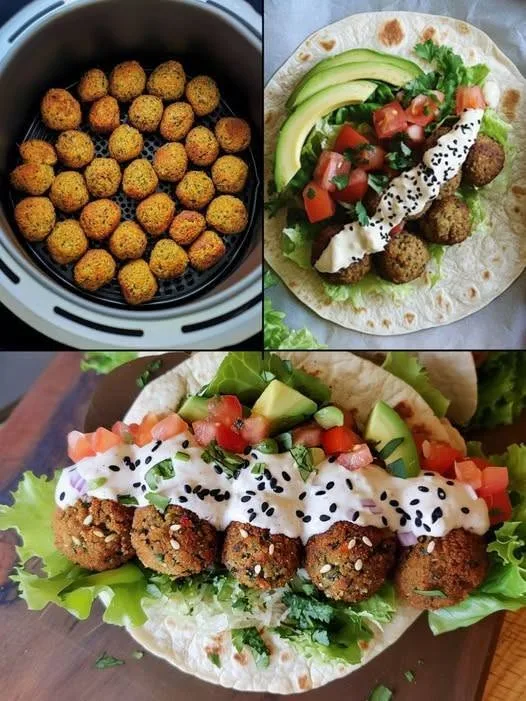
These homemade falafels are crispy on the outside, tender on the inside, and bursting with fresh parsley, cilantro, garlic, and aromatic spices. Made with chickpeas, they offer plant-based protein and fiber in every serving, making them a delicious addition to wraps, salads, grain bowls, or snack platters. Although traditional falafels are not strictly low-carb because chickpeas contain carbohydrates, they can still fit into a balanced, protein-conscious eating plan.
Can This Recipe Support Weight Loss Goals?
Falafels can support a balanced weight-management plan when enjoyed in appropriate portions. Chickpeas provide plant-based protein and fiber, which can help make meals more satisfying. Baking or air-frying instead of deep-frying can reduce the amount of added oil and overall calories. Pairing falafels with fresh vegetables and a yogurt-based or tahini sauce can create a balanced meal.
Does This Recipe Fit a High-Protein Lifestyle?
Falafels provide plant-based protein from chickpeas, along with fiber and essential nutrients. Fresh herbs, garlic, cumin, and coriander add plenty of flavor without needing heavy sauces. Traditional falafels contain moderate carbohydrates, so they are not naturally low-carb or keto-friendly. Their net carbs depend on portion size and whether flour or other binders are added. For a higher-protein meal, serve them with Greek yogurt dip or add them to a salad with tofu or other protein-rich foods.
Why This Recipe Is Special
- Fresh and aromatic: Parsley, cilantro, garlic, and spices create a vibrant flavor.
- Plant-based protein: Chickpeas make these falafels a satisfying vegetarian option.
- Multiple cooking methods: Bake, air-fry, or shallow-fry depending on your preference.
- Versatile serving options: Enjoy them in wraps, salads, bowls, or as party appetizers.
- Meal-prep friendly: Prepare a batch ahead of time for convenient lunches and snacks.
My Personal Experience
- Fresh herb flavor: The combination of parsley and cilantro gives the falafels a bright, earthy taste. Garlic and cumin add warmth without overpowering the chickpeas.
- Crispy outside, tender inside: Properly chilled falafel mixture holds together well during cooking. The exterior becomes golden while the center remains soft and flavorful.
- Easy to serve: These small chickpea bites work well with pita bread, fresh vegetables, and creamy dips. They also make a convenient addition to packed lunches.
- Simple to customize: Adjust the garlic, herbs, and spices to suit your taste. Baking or air-frying offers an alternative to traditional deep-frying.
Perfect For
- Vegetarian and vegan meals.
- Lunch wraps and Mediterranean-inspired bowls.
- Party appetizers and snack platters.
- Weekly meal preparation.
- Meat-free dinners.
- Serving with hummus, tahini sauce, or fresh salads.
Why You’ll Love This Recipe
- Packed with fresh herbs: Parsley and cilantro make every bite taste fresh and aromatic.
- Naturally dairy-free: The falafels themselves use plant-based ingredients.
- Flexible cooking methods: Choose baking, air-frying, or shallow-frying to suit your kitchen.
- Great for sharing: Make bite-sized falafels for family dinners or gatherings.
- Easy to pair: Serve with salads, whole-wheat pita, hummus, or a lemony tahini dressing.
Common Mistakes to Avoid
- Using canned chickpeas without adjusting the mixture: Canned chickpeas contain extra moisture, which can make falafels soft and difficult to shape.
- Over-processing the mixture: Avoid blending it into a smooth paste; a slightly coarse texture helps the falafels hold together.
- Skipping the chilling step: Chilling helps the mixture firm up and reduces the risk of falafels breaking apart.
- Crowding the pan or air fryer: Leave space between the falafels so they cook evenly and develop a golden exterior.
Required Equipment
- Food processor — Chops chickpeas and herbs into a coarse, workable mixture.
- Measuring cups and spoons — Keep the herb and spice ratios consistent.
- Mixing bowl — Makes it easy to combine and chill the mixture.
- Cookie scoop or tablespoon — Helps create evenly sized falafels.
- Baking tray or air fryer — Provides a convenient way to cook the falafels with less oil.
- Spatula or tongs — Helps turn the falafels without breaking them.
Storage Instructions
- Refrigerator: Store cooked falafels in an airtight container for up to 4 days.
- Freezer: Freeze cooked falafels in a single layer, then transfer them to a freezer-safe container for up to 2–3 months.
- Uncooked mixture: Refrigerate in a sealed container and cook within 1–2 days for best quality.
- Reheating: Reheat in an oven at 350°F (175°C) for about 8–12 minutes, or in an air fryer at 350°F (175°C) for 4–7 minutes, until heated through.
- Protein retention: Storage and reheating do not substantially reduce the falafels’ protein content when handled properly.
Recipe Details
- Preparation Time: 20 minutes
- Chilling Time: 30 minutes
- Cooking Time: 15–20 minutes
- Total Time: Approximately 1 hour 10 minutes
- Servings: 4 servings, approximately 4 falafels per serving
- Best Season: All-season
- Total Calories Per Serving: Approximately 250–320 calories, depending on the cooking method and amount of oil used.
Short 3-Line Description
These homemade falafels combine chickpeas, fresh herbs, garlic, and warming spices for a crispy, flavorful bite. They provide plant-based protein and fiber and pair beautifully with salads, wraps, and creamy dips. Bake or air-fry them for a convenient alternative to deep-fried falafels.
📝 Ingredients
- 2 cups (about 330 g) dried chickpeas, soaked overnight and drained — do not use cooked or canned chickpeas for the traditional texture
- 1 small onion, roughly chopped
- ¾ cup fresh parsley leaves
- ½ cup fresh cilantro leaves
- 4 garlic cloves
- 1 teaspoon ground cumin
- 1 teaspoon ground coriander
- ½ teaspoon salt, or to taste
- ¼ teaspoon black pepper
- ¼ teaspoon cayenne pepper, optional
- 1 teaspoon baking powder
- 2 tablespoons chickpea flour, only if needed to bind
- 1–2 tablespoons olive oil for brushing or spraying when baking or air-frying
- Lemon wedges and tahini sauce, for serving
Directions
1. Soak the chickpeas: Place the dried chickpeas in a large bowl and cover them with plenty of cold water. Soak for 12–18 hours, then drain and rinse thoroughly; the chickpeas should be hydrated but still uncooked.
2. Prepare the herbs and aromatics: Add the drained chickpeas, onion, parsley, cilantro, and garlic to a food processor. Pulse in short bursts until the mixture resembles coarse crumbs, scraping down the sides as needed.
3. Add the seasonings: Add cumin, coriander, salt, black pepper, and cayenne if using. Pulse briefly until evenly combined. Avoid blending into a smooth paste because a coarse texture helps create a better falafel.
4. Check the consistency: Transfer the mixture to a bowl and stir in the baking powder. If it feels too wet to shape, add chickpea flour 1 tablespoon at a time. The mixture should hold together when pressed between your fingers.
5. Chill the mixture: Cover and refrigerate for 30 minutes. This helps the mixture firm up and makes shaping easier.
6. Shape the falafels: Scoop approximately 2 tablespoons of mixture per falafel and shape into small balls or thick patties. Keep the sizes consistent so they cook evenly.
7. Choose a cooking method:
- Oven: Preheat to 400°F (200°C). Place falafels on a lined baking tray, brush or spray lightly with olive oil, and bake for 20–25 minutes, turning halfway, until golden and crisp.
- Air fryer: Preheat to 375°F (190°C). Lightly oil the falafels and cook for 12–16 minutes, turning halfway, until crisp and browned.
- Shallow-frying: Heat about ¼ inch of oil in a skillet over medium heat. Fry in batches for approximately 3–4 minutes per side, until deeply golden and cooked through.
8. Check the texture: The finished falafels should have a browned, crisp exterior and a tender, crumbly center. If they break apart, the mixture may be too wet or too finely processed.
9. Serve: Serve warm with lemon wedges, tahini sauce, hummus, or a fresh salad.
High-protein tip: Use chickpea flour only as needed for binding, and pair falafels with a protein-rich dip such as plain Greek yogurt if dairy is part of your diet. For a vegan option, choose a tahini or hummus dip.
Nutrition Facts (Per Serving – Approximate)
Estimated for 4 servings of baked falafels, using the ingredients above and a modest amount of olive oil. Actual values vary with falafel size and cooking method.
| Nutrient | Approximate Amount |
|---|---|
| Calories | 280 kcal |
| Fats | 8 g |
| Cholesterol | 0 mg |
| Sodium | 350 mg |
| Potassium | 600 mg |
| Total Carbohydrates | 42 g |
| Fiber | 11 g |
| Net Carbs | 31 g |
| Sugars | 6 g |
| Protein | 13 g |
| Calcium | 85 mg |
Notes
- Best texture: Use dried chickpeas soaked overnight rather than canned chickpeas; cooked chickpeas usually make the mixture too soft.
- Storage: Cool cooked falafels before refrigerating, and store them in a sealed container.
- Reheating: Use an oven or air fryer to restore crispness; microwaving may soften the exterior.
- Allergy notes: The basic recipe is vegan and dairy-free, but tahini contains sesame and chickpea flour may not suit everyone.
- Flavor boosts: Add lemon zest, extra cumin, fresh mint, or a pinch of smoked paprika.
- Low-carb note: Chickpeas are nutritious but carbohydrate-rich, so traditional falafels are not suitable for strict keto diets without substantial recipe changes.
Frequently Asked Questions
1. Are falafels high in protein? Falafels provide plant-based protein from chickpeas, with approximately 13 g per serving in this recipe.
2. Are falafels low-carb or keto-friendly? Traditional chickpea falafels are not low-carb or keto-friendly because chickpeas contain substantial carbohydrates.
3. Can I make falafels in an air fryer? Yes, air-fry them at 375°F (190°C) for approximately 12–16 minutes, turning halfway through.
4. Can I use canned chickpeas? You can, but they contain more moisture and may produce softer falafels that need extra binding.
5. Are falafels vegan? Yes, this recipe uses plant-based ingredients, provided any accompanying sauces are also vegan.
6. Can falafels support weight-management goals? They can fit into a balanced eating plan because chickpeas provide protein and fiber, but portion size and cooking oil affect total calories.