Description
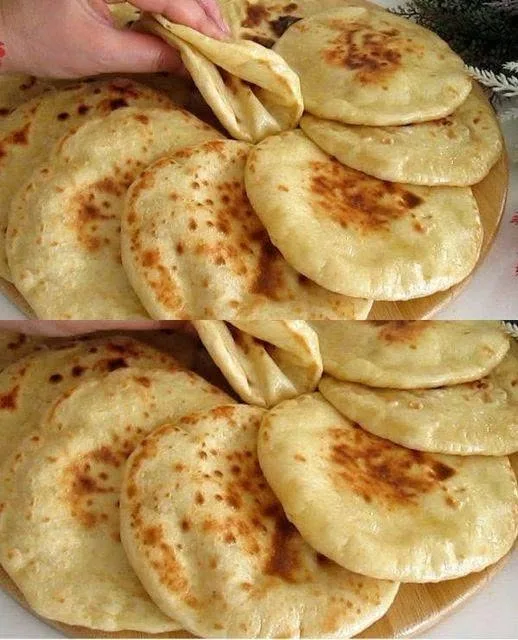
Fresh, warm, soft, and beautifully golden, this Quick No-Oven Homemade Flatbread is a simple recipe that brings homemade bread to your table in about 10 minutes of cooking time. Each flatbread develops a lightly toasted surface with delicious brown spots, while the inside stays tender and easy to fold. Made in a skillet with everyday ingredients, these breads are perfect for serving alongside curries, soups, vegetables, or your favorite fillings.
If you enjoy easy homemade bread, this stovetop flatbread is a wonderful option when you do not want to heat up the oven. Traditional flatbread made with wheat flour is not naturally low-carb or diabetic-friendly simply because it contains no added sugar. However, you can enjoy it in a balanced meal, pair it with protein-rich foods, or experiment with alternative flour blends. The recipe below focuses on soft texture, quick preparation, and a reliable skillet-cooking method.
Diabetes-friendly note: Bread made with regular flour can raise blood glucose levels, and individual responses vary. If you are managing diabetes, consider portion size, the type of flour, and what you eat alongside the bread; do not assume that homemade bread is automatically suitable for your needs.
Can This Quick Flatbread Support Weight Loss Goals?
Homemade flatbread can fit into a balanced eating pattern when enjoyed in portions that suit your needs. Making it at home allows you to control the ingredients and the amount of oil used. However, regular wheat flour provides most of the calories and carbohydrates, while the basic recipe contains only a modest amount of protein. Serving a flatbread with beans, lentils, eggs, chicken, or tofu can create a more satisfying meal. No single bread recipe guarantees weight loss, and there is no need to eliminate bread to eat well.
Does Quick Flatbread Fit a High-Protein Lifestyle?
The basic recipe uses all-purpose flour, yogurt, water, baking powder, salt, and a small amount of oil.
It provides carbohydrates for energy but is not naturally a high-protein or low-carb bread.
Depending on the flour and yogurt used, one small flatbread may contain approximately 4–6 grams of protein.
For a higher-protein variation, replace part of the flour with a suitable higher-protein flour or serve the bread with eggs, lentils, tofu, or chicken.
Net carbohydrates will remain relatively high in a traditional wheat-flour version, so check the portion size and ingredient labels if carbohydrate intake is important to you.
Why This Recipe Is Special
- No oven needed: Cook the flatbreads in a skillet on the stovetop.
- Quick cooking: Thin rounds cook in just a few minutes per side.
- Soft and flexible: Yogurt helps create a tender dough that is easy to fold.
- Everyday ingredients: The recipe uses common kitchen staples.
- Easy to customize: Add herbs, garlic, or spices for extra flavor.
My Personal Experience
- The skillet creates a lovely toasted surface.
Medium heat helps produce golden-brown spots while allowing the center to cook through. - Yogurt gives the dough a softer texture.
It adds moisture and a gentle tang that works well in a simple flatbread. - Resting the dough makes shaping easier.
A short rest allows the flour to absorb moisture and makes the dough less resistant when rolling. - Keeping the breads covered helps preserve softness.
Stacking the warm flatbreads under a clean kitchen towel reduces moisture loss and keeps them flexible.
These points describe the recipe’s expected results rather than claiming personal kitchen testing.
Perfect For
- Quick breakfasts: Serve with scrambled eggs, yogurt, or a savory filling.
- Weeknight dinners: Pair with lentil curry, vegetable dishes, or grilled chicken.
- Lunch wraps: Fill with vegetables, beans, tofu, or other favorite ingredients.
- Soup accompaniments: Use the flatbread to scoop up thick soups and stews.
- Family meals: Prepare several small breads and let everyone choose their own fillings.
- Meal prep: Make a batch in advance and reheat briefly when needed.
Why You’ll Love This Recipe
- No complicated baking:
You can prepare the dough and cook it in a regular skillet.
No oven or specialized bread-making equipment is required. - Tender and easy to fold:
Yogurt adds moisture and helps keep the cooked bread soft.
Covering the breads after cooking helps prevent them from drying out. - Simple ingredients:
Flour, yogurt, water, baking powder, salt, and oil create the basic dough.
You can adjust the seasoning to match the rest of your meal. - Versatile serving options:
Use the flatbread for wraps, dipping, or serving alongside a main dish.
Mild flavor makes it suitable for both savory fillings and spiced dishes. - Easy to make in batches:
Cook each flatbread while preparing the next one.
Keep finished breads covered so they stay warm and flexible.
Common Mistakes to Avoid
- Adding too much flour while kneading: Excess flour can make the flatbreads dry and tough; add only enough to prevent sticking.
- Rolling the dough too thick: Thick rounds may brown outside before cooking through; aim for approximately ⅛ inch (3 mm) thickness.
- Using excessive heat: A very hot skillet can burn the outside while leaving the center undercooked; use medium heat and adjust as needed.
- Leaving the cooked breads uncovered: Air exposure dries them out quickly; stack them under a clean kitchen towel after cooking.
Required Equipment
- Large mixing bowl — Gives you room to combine the dough without spilling.
- Measuring cups and spoons or a kitchen scale — Help maintain consistent flour and liquid proportions.
- Rolling pin — Makes it easy to roll the dough into even rounds.
- Nonstick or cast-iron skillet — Creates golden-brown spots without requiring an oven.
- Spatula or tongs — Helps flip each flatbread safely.
- Clean kitchen towel — Keeps the cooked breads warm and soft.
- Pastry brush, optional — Makes it easy to apply a small amount of oil if needed.
Storage Instructions
Room temperature: If you plan to eat the flatbreads the same day, keep them in a clean, covered container once they have cooled. For food safety, do not leave them out for extended periods, particularly in hot weather.
Refrigerator: Store cooled flatbreads in an airtight container or reusable food bag for up to 3–4 days. Place parchment paper between them if they tend to stick.
Freezer: Freeze the breads in a sealed freezer-safe bag for up to 2 months for best quality. Separate individual flatbreads with parchment paper so you can remove only what you need.
Reheating: Warm in a dry skillet over medium-low heat for about 30–60 seconds per side. Alternatively, wrap in a slightly damp paper towel and microwave in short intervals until warm.
High-protein-friendly tip: The bread itself provides modest protein, so pair it with eggs, lentils, beans, Greek yogurt, tofu, or chicken for a more protein-rich meal. Refrigerate any perishable fillings separately and follow their storage guidance.
Recipe Details
- Preparation Time: 10 minutes
- Dough Resting Time: 5 minutes
- Cooking Time: 10 minutes
- Total Time: Approximately 25 minutes
- Servings: 6 small flatbreads
- Best Season for This Recipe: All-season
- Total Calories Per Serving: Approximately 145–170 calories per flatbread, depending on flour quantity and oil used
Short 3-Line Description
Make soft, golden homemade flatbread in a skillet without turning on the oven.
This quick recipe uses everyday ingredients and creates tender bread with lightly toasted spots.
Serve with curry, soup, eggs, vegetables, or your favorite protein-rich filling.
📝 Ingredients
- 2 cups (250 g) all-purpose flour, plus a little for rolling
- ½ cup (120 g) plain unsweetened yogurt
- ¼ cup (60 ml) warm water, plus 1–2 tablespoons if needed
- 1 teaspoon baking powder
- ½ teaspoon salt
- 1 tablespoon olive oil or neutral vegetable oil
- 1–2 teaspoons extra oil for the skillet, only if needed
Ingredient notes: Plain yogurt helps make the dough soft; thick Greek yogurt may require a little more water. This recipe uses regular wheat flour, so it contains gluten and is not automatically low-carb or suitable for every person managing diabetes.
Directions
Step 1: Combine the Dry Ingredients
In a large mixing bowl, whisk together the flour, baking powder, and salt for about 30 seconds.
The mixture should look evenly blended with no visible clumps of baking powder. Distributing the leavening agent helps the flatbreads cook more consistently.
Step 2: Add the Yogurt and Oil
Add the yogurt and 1 tablespoon of oil to the flour mixture. Stir with a spoon or spatula until the mixture begins to form small clumps.
The dough may look crumbly at first. Add the warm water gradually, starting with ¼ cup, until the mixture comes together.
Step 3: Knead the Dough
Transfer the dough to a lightly floured surface and knead for 2–3 minutes, until it feels soft and mostly smooth.
The dough should be pliable and slightly tacky but not wet or sticky. If it feels too dry, add water 1 teaspoon at a time; if it is very sticky, dust lightly with flour.
Step 4: Rest Briefly
Cover the dough with a clean towel or bowl and let it rest for 5 minutes.
This short rest allows the flour to absorb moisture and makes the dough easier to roll. It is not a yeast dough, so a long rise is unnecessary.
Step 5: Divide and Roll
Divide the dough into 6 equal portions and roll each into a ball. On a lightly floured surface, roll each ball into a round approximately ⅛ inch (3 mm) thick.
Aim for an even thickness so each flatbread cooks at a similar rate. If the dough springs back, let it rest for another 2–3 minutes before rolling again.
Step 6: Heat the Skillet
Place a nonstick or cast-iron skillet over medium heat for about 2 minutes. If needed, lightly brush the surface with oil.
The skillet should be hot enough that the dough begins to form brown spots within a couple of minutes, but it should not smoke. Excess oil can cause uneven frying rather than the lightly toasted finish shown in the picture.
Step 7: Cook the Flatbreads
Place one flatbread in the skillet and cook for approximately 1–2 minutes on the first side. Flip and cook for another 1–2 minutes.
Look for golden-brown spots and a surface that appears dry rather than doughy. If the bread browns too quickly, lower the heat; if it remains pale after several minutes, raise the heat slightly.
Step 8: Check the Texture
Press the flatbread gently with a spatula to help it make even contact with the skillet. The bread should be cooked through, soft, and flexible, with lightly browned patches.
Avoid pressing too hard, as this can make the bread dense. Adjust the cooking time slightly for thicker or thinner rounds.
Step 9: Keep the Breads Soft
Transfer each cooked flatbread to a plate and cover with a clean kitchen towel. Repeat with the remaining dough.
Stacking the warm breads under a towel helps retain moisture. If you prefer a richer flavor, brush each bread lightly with a small amount of olive oil after cooking.
Step 10: Serve
Serve warm with eggs, lentil curry, vegetables, soup, or your favorite filling.
For a more protein-rich meal, pair the bread with beans, lentils, tofu, chicken, or thick plain Greek yogurt. The traditional wheat-flour flatbread itself is not high-protein or low-carb.
Nutrition Facts (Per Serving – Approximate)
Estimated for 1 of 6 flatbreads, using all-purpose flour, plain yogurt, and the listed oil. Actual values depend on the ingredients and the amount of additional oil used during cooking.
- Calories: 155 kcal
- Fats: 3.5 g
- Cholesterol: 2 mg
- Sodium: 230 mg
- Potassium: 75 mg
- Total Carbohydrates: 27 g
- Fiber: 1 g
- Net Carbs: 26 g
- Sugars: 1 g
- Protein: 4.5 g
- Calcium: 35 mg
These are estimates, not laboratory-tested values. They will change with different flour types, yogurt brands, portion sizes, and cooking oil amounts.
Notes
- Storage: Cool the flatbreads before packing them into an airtight container.
- Reheating: Warm briefly in a skillet or microwave; avoid prolonged heating, which can make them tough.
- Allergy notes: Contains wheat and gluten, and usually dairy if made with yogurt. Use suitable substitutes only if they work with the recipe and your dietary needs.
- Flavor boosts: Add garlic powder, cumin, dried herbs, nigella seeds, or chopped coriander to the dough.
- Softer texture: Keep the breads covered immediately after cooking and avoid overcooking them.
- Higher-protein option: Serve with protein-rich fillings or experiment with replacing part of the flour with a suitable higher-protein flour, adjusting liquid as needed.
- Diabetes-friendly note: Regular flour contains carbohydrates and may raise blood glucose. If you manage diabetes, check your portion size and follow your individual dietary guidance; this bread is not automatically diabetic-friendly because it is homemade.
Frequently Asked Questions
1. Can I really make this bread without an oven?
Yes, these flatbreads cook directly in a skillet on the stovetop.
2. Can I make the dough ahead of time?
Yes, cover the dough and refrigerate it for up to 24 hours, then allow it to soften slightly before rolling.
3. Why are my flatbreads hard?
They may have been overcooked, rolled too thin, or made with too much extra flour.
4. Is this bread suitable for a low-carb diet?
Traditional all-purpose flour makes this bread relatively high in carbohydrates, so it is not naturally a low-carb bread.
5. Can I make it without yogurt?
You can experiment with an unsweetened plant-based yogurt or adjust the water and oil, but the texture may differ.
6. How can I make this meal higher in protein?
Serve the flatbread with eggs, lentils, beans, tofu, chicken, or another protein-rich filling.