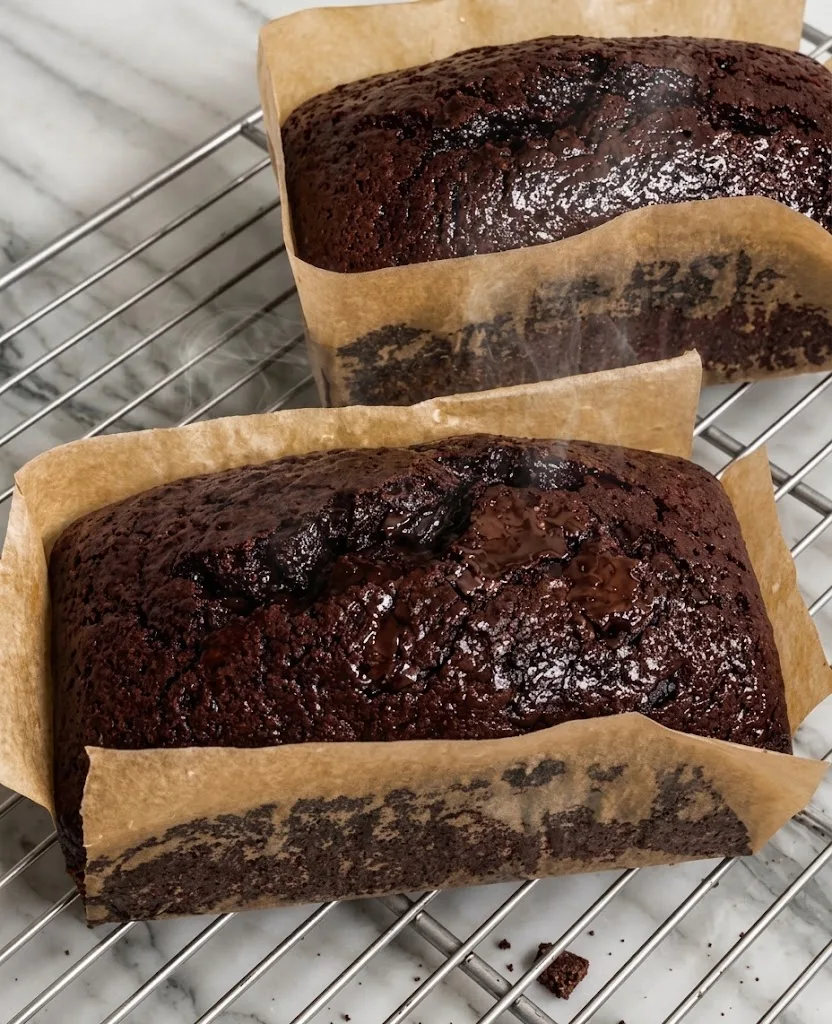
Description
Craving a soft, melt-in-your-mouth cake without a heavy dose of added sugar? This quick diabetic-friendly cake is a simple dessert made with almond flour, eggs, plain Greek yogurt, and a suitable sugar substitute for a tender texture and gentle sweetness. It is easy to prepare in the microwave, making it ideal when you want a homemade treat without turning on the oven. With lower-carb ingredients and protein from eggs and Greek yogurt, this cake can be adapted to fit a balanced eating plan. The best part is that you can enjoy its comforting cake flavor while paying attention to added sugar, carbohydrate portions, and your personal nutrition needs.
Note: “Diabetic-friendly” does not mean carbohydrate-free or guaranteed to prevent blood sugar spikes. Individual responses vary, so check ingredient labels and serving sizes.
Can This Diabetic-Friendly Cake Support Weight Loss Goals?
This cake may fit into a balanced eating plan when enjoyed in an appropriate portion. Almond flour provides fat and fiber, while eggs and Greek yogurt contribute protein, which can help make a snack more satisfying. Using a suitable sugar substitute instead of regular sugar can reduce added sugar and carbohydrates, depending on the product. However, almond flour is calorie-dense, so the cake’s total calories still matter. No single dessert causes weight loss; overall eating habits, portion sizes, and activity patterns are more important.
Does This Diabetic-Friendly Cake Fit a High-Protein Lifestyle?
This cake provides protein from eggs and Greek yogurt, while almond flour contributes some additional protein, fiber, and fat. Its net carbohydrates may be lower than those of a conventional cake made with white flour and sugar. The exact carbohydrate content depends on the flour, sweetener, yogurt, and serving size. The basic recipe is moderately protein-containing rather than exceptionally high in protein. For a bigger protein boost, serve it with plain Greek yogurt and calculate the nutrition using your actual ingredients.
Why This Recipe Is Special
- Quick preparation: A small cake can cook in the microwave in just a few minutes.
- No refined sugar required: A suitable non-sugar sweetener provides sweetness without adding regular table sugar.
- Lower-carb ingredients: Almond flour replaces traditional wheat flour.
- Protein-containing ingredients: Eggs and Greek yogurt contribute protein and help create a tender texture.
- Easy to customize: Add cinnamon, vanilla, lemon zest, or unsweetened cocoa powder for different flavors.
My Personal Experience
– The texture is soft and tender. Almond flour and Greek yogurt help create a moist crumb when the cake is cooked gently. Letting it rest briefly after cooking also helps the center finish setting.
– It is convenient for a quick dessert. The small-batch recipe comes together in minutes without a long baking process. It is especially useful when you want one or two portions instead of a full cake.
– The sweetness is easy to adjust. You can start with a small amount of sweetener and add more to suit your taste. This helps avoid an overly sweet cake while keeping the ingredient list simple.
– The flavor works with many additions. Vanilla, cinnamon, or unsweetened cocoa can give the cake a new character. Choose additions without added sugar if keeping carbohydrates lower is important to you.
– It pairs well with Greek yogurt. A spoonful of plain Greek yogurt adds creaminess and extra protein. Fresh berries in a measured portion can add color and fruity flavor.
Perfect For
- Quick desserts: A simple homemade treat when you do not have time for conventional baking.
- Small households: Makes two modest servings without leaving a large cake to finish.
- Lower-carb meal plans: Uses almond flour instead of traditional white flour.
- Afternoon snacks: Enjoy a portion with tea or coffee.
- High-protein snack pairings: Serve with plain Greek yogurt for additional protein.
- All-season treats: Easy to make whenever you want a warm or chilled dessert.
Why You’ll Love This Recipe
– No oven required: The microwave makes this small cake convenient and fast. You can have a warm dessert ready in approximately five minutes, depending on your appliance.
– Simple ingredients: Almond flour, eggs, and yogurt create the cake’s structure. A suitable sweetener and vanilla provide sweetness and flavor without complicated preparation.
– Moist texture: Greek yogurt helps keep the cake tender rather than crumbly. Careful cooking prevents the edges from becoming dry.
– Easy to portion: The recipe makes a small batch that can be divided into two servings. This makes it easier to keep track of the ingredients and approximate carbohydrate content.
– Customizable flavor: Add cinnamon, lemon zest, or cocoa powder to change the taste. Just remember that toppings and mix-ins can change the nutrition values.
Common Mistakes to Avoid
1. Using the wrong sweetener quantity: Different sugar substitutes vary in sweetness and bulk. Follow the product’s conversion guidance rather than automatically replacing sugar spoon for spoon.
2. Overcooking the cake: Microwave cakes can turn rubbery when cooked for too long. Start with a short cooking time and continue in 15-second intervals.
3. Using coarse almond meal: Coarse almond meal may produce a grainier texture. Finely ground almond flour usually creates a more tender crumb.
4. Ignoring hidden carbohydrates: Yogurt, sweeteners, and toppings can contain carbohydrates or added sugars. Check labels and calculate the recipe based on the actual quantities used.
Required Equipment
- Microwave-safe ramekin: Holds the batter and allows quick, convenient cooking.
- Small mixing bowl: Makes combining the wet and dry ingredients easy.
- Fork or small whisk: Helps blend the egg and yogurt smoothly.
- Measuring spoons and cups: Keep portions consistent for more reliable nutrition estimates.
- Rubber spatula: Scrapes the batter from the bowl with minimal waste.
- Toothpick: Helps check whether the center is cooked through.
Storage Instructions
Refrigerator: Let the cake cool, then place it in an airtight container and refrigerate within two hours. Store for up to 3–4 days, especially because the recipe contains egg and yogurt.
Freezer: Wrap individual portions and place them in a freezer-safe container or bag. Freeze for up to 2 months for best quality.
Reheating: Microwave a refrigerated portion for 10–15 seconds at a time until gently warmed. Thaw frozen portions overnight in the refrigerator before reheating.
For food safety, refrigerate leftovers promptly and avoid leaving the cake at room temperature for extended periods. Proper storage preserves its texture and the protein provided by the eggs and yogurt.
Recipe Details
- Preparation Time: 2 minutes
- Cooking Time: 1–3 minutes
- Total Time: Approximately 5 minutes
- Servings: 2 small portions
- Best Season: All-season
- Total Calories: Approximately 170–220 calories per serving, depending on ingredient brands and quantities.
Short 3-Line Description
This quick diabetic-friendly cake is soft, moist, and made with almond flour, eggs, Greek yogurt, and a suitable sugar substitute. It offers a lower-carb alternative to conventional cake when prepared with carefully chosen ingredients and portions. Enjoy it warm on its own or with plain Greek yogurt for extra protein.
📝 Ingredients
These quantities make two small servings.
- ½ cup (48 g) finely ground almond flour
- 1 large egg
- 2 tbsp (30 g) plain, unsweetened Greek yogurt
- 1–2 tbsp granulated sugar substitute suitable for baking, according to package sweetness guidance
- ¼ tsp baking powder
- ¼ tsp vanilla extract
- 1 tbsp unsweetened almond milk, if needed for consistency
- Pinch of ground cinnamon, optional
- Pinch of salt
Ingredient notes:
- Choose unsweetened almond flour and plain Greek yogurt.
- Select a sweetener that suits your preferences and dietary needs; some products contain carbohydrate-based fillers.
- Almond milk can be replaced with another unsweetened milk of choice.
Directions
1. Prepare the batter. In a small bowl, whisk the egg for 20–30 seconds until the yolk and white are combined.
2. Add the wet ingredients. Mix in the Greek yogurt and vanilla extract until smooth and creamy.
3. Combine the dry ingredients. Add almond flour, baking powder, sweetener, salt, and cinnamon if using. Stir until no dry pockets remain. The batter should be thick but spoonable; add a little almond milk if needed.
4. Transfer to a ramekin. Lightly grease a microwave-safe ramekin and spoon in the batter. Leave room at the top for the cake to rise.
5. Microwave gently. Cook on high for 60 seconds, then check the center. Continue in 15-second intervals until the cake has risen and the center is set, typically around 1–3 minutes depending on microwave power and dish size.
6. Check doneness. The surface should look set and spring back lightly when touched. Since the cake contains egg, make sure the center reaches 160°F (71°C); a toothpick should come out without wet batter.
7. Rest before serving. Let the cake stand for about 1 minute. It will continue to settle and become easier to remove from the ramekin.
8. Serve with an optional protein boost. Add a spoonful of plain Greek yogurt for extra protein. If using berries, choose a modest portion and include their carbohydrates in your overall meal planning.
Oven alternative: Bake in a small oven-safe ramekin at 350°F (175°C) for approximately 12–18 minutes, checking that the center is fully cooked.
Nutrition Facts (Per Serving – Approximate)
The estimates below are for half the recipe, without optional toppings. Exact values vary by brand and sweetener.
| Nutrient | Approximate amount |
|---|---|
| Calories | 170–220 kcal |
| Total Fat | 13–17 g |
| Cholesterol | 90–105 mg |
| Sodium | 100–220 mg |
| Potassium | 100–180 mg |
| Total Carbohydrates | 5–9 g |
| Fiber | 2–3 g |
| Net Carbs | 3–6 g |
| Sugars | 1–2 g |
| Protein | 7–10 g |
| Calcium | 50–100 mg |
Net carbs are estimated by subtracting fiber from total carbohydrates. Sugar substitutes can affect the total carbohydrate count depending on their ingredients, so check product labels.
Notes
- Storage: Refrigerate the cake in an airtight container for up to 3–4 days.
- Reheating: Warm in short microwave intervals to avoid drying it out.
- Allergy notes: Contains egg, dairy, and almonds. Use a suitable alternative only if it meets your dietary needs.
- Flavor boosts: Cinnamon, vanilla, lemon zest, or unsweetened cocoa can enhance the flavor without requiring regular sugar.
- Protein boost: Serve with plain Greek yogurt or a small portion of cottage cheese.
- Carbohydrate awareness: “No added sugar” does not mean carbohydrate-free. Almond flour, yogurt, sweetener fillers, and toppings may all contribute carbohydrates.
- Microwave differences: Wattage and dish shape affect cooking time, so check the center rather than relying on the clock alone.
Frequently Asked Questions
1. Is this cake suitable for people with diabetes?
It may fit some diabetes-conscious eating plans, but the total carbohydrates, serving size, ingredients, and individual blood glucose response should be considered.
2. Is this cake sugar-free?
It can be made without added table sugar, but check the sweetener and other ingredients because they may contain sugars or carbohydrate-based fillers.
3. Can I make this cake without almond flour?
You can experiment with another flour, but the texture and carbohydrate content will change depending on the substitute.
4. Can I make this recipe without a microwave?
Yes, bake the batter in an oven-safe ramekin at 350°F (175°C) for approximately 12–18 minutes or until fully cooked.
5. How can I make this cake higher in protein?
Serve it with plain Greek yogurt or adjust the recipe using a suitable protein-rich ingredient while accounting for any changes in texture and carbohydrates.
6. Can I prepare this cake ahead of time?
Yes, you can prepare it in advance and refrigerate it in an airtight container for up to 3–4 days.