Description
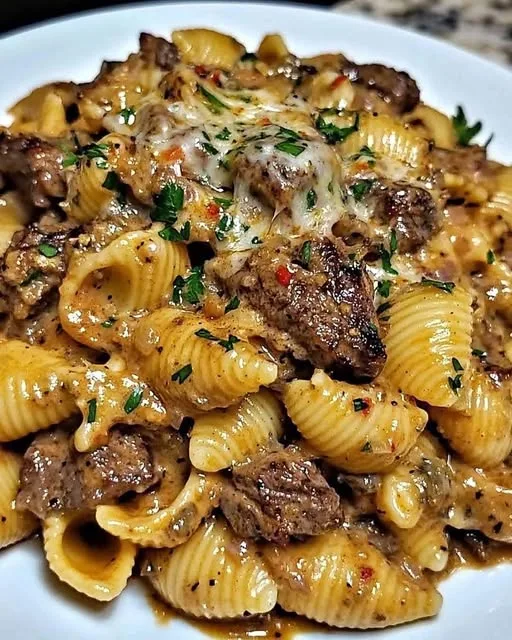
Creamy Paprika Steak Shells is a comforting pasta dinner featuring tender, juicy steak, pasta shells, and a rich, creamy paprika sauce. Smoky paprika, garlic, and savory beef combine to create a satisfying meal with plenty of flavor in every bite. This high-protein comfort food can be adapted for different eating preferences, while a lower-carb version can replace traditional pasta shells with zucchini or other low-carb alternatives.
Can This Creamy Paprika Steak Shells Recipe Support Weight Loss Goals?
Creamy Paprika Steak Shells can fit into a balanced eating plan when served in appropriate portions. Steak provides protein, which helps support muscle maintenance and contributes to fullness. However, traditional pasta shells supply carbohydrates, while cream, butter, and cheese can increase the meal’s calorie content. Choosing lean steak, using moderate amounts of cream, and adding vegetables can help create a more balanced dish. For a lower-carb alternative, replace some or all of the pasta shells with zucchini or another suitable vegetable.
Does This Recipe Fit a High-Protein Lifestyle?
Yes, Creamy Paprika Steak Shells can be a protein-rich meal because steak supplies substantial amounts of complete protein.
Pasta shells provide carbohydrates, while cream and cheese contribute additional fat and varying amounts of protein.
The net carbohydrate content depends mainly on the quantity and type of pasta used, along with any vegetables or thickeners added.
For a higher-protein version, use lean steak, increase the beef portion moderately, and consider adding plain Greek yogurt to the sauce after removing it from the heat.
Traditional pasta makes this dish unsuitable for strict keto diets, but low-carb vegetable alternatives can reduce its carbohydrate content considerably.
Why This Recipe Is Special
- Rich and Creamy: The paprika cream sauce coats the pasta shells and steak beautifully.
- Protein-Packed: Tender beef provides protein to support a balanced, satisfying meal.
- Smoky Paprika Flavor: Paprika adds warmth, color, and savory depth without requiring complicated seasonings.
- Comfort Food Favorite: The combination of steak, pasta, and creamy sauce makes a hearty dinner.
- Easy to Customize: Adjust the cream, pasta, and vegetables to suit different nutritional preferences.
My Personal Experience
The following are suggested experience-style notes that can be adapted to reflect your actual cooking experience.
- The paprika sauce adds wonderful flavor:
Paprika, garlic, and beef create a savory combination that makes the sauce especially appealing.
The creamy consistency helps every pasta shell capture plenty of flavor. - Tender steak makes every bite satisfying:
Searing the steak over medium-high to high heat helps develop a flavorful browned exterior.
Cutting the beef into evenly sized pieces encourages more consistent cooking. - The pasta shells hold the sauce beautifully:
Their curved shape captures the creamy paprika sauce in every serving.
Cooking them just until al dente helps prevent a soft or mushy texture. - It makes a comforting dinner:
The combination of beef, pasta, and creamy sauce creates a filling, restaurant-style meal at home.
Serving it with steamed broccoli or a fresh salad adds color and variety.
Perfect For
- Weeknight Dinners: A satisfying meal for evenings when you want something comforting.
- Family Meals: Serve it straight from the skillet for an easy shared dinner.
- Meal Prep: Divide the cooked steak and pasta into individual containers for convenient lunches.
- High-Protein Eating Plans: Steak makes this recipe a useful option for people looking to include more protein in their meals.
- Comfort Food Cravings: Enjoy the creamy sauce and tender beef when you want a hearty pasta dish.
- Lower-Carb Adaptations: Replace traditional pasta shells with zucchini or another low-carb alternative.
Why You’ll Love This Recipe
- Tender, Savory Steak:
Properly seared steak adds a rich, meaty flavor to the creamy sauce.
Choosing a tender cut and avoiding overcooking helps maintain a pleasant texture. - Creamy Paprika Sauce:
Paprika and garlic create a warm, savory flavor that complements the beef.
The sauce clings to the pasta shells, making the dish flavorful throughout. - Protein-Rich Ingredients:
Beef provides complete protein, while Parmesan contributes a smaller additional amount.
Adjusting the steak-to-pasta ratio can increase the protein per serving. - Simple Cooking Process:
The steak, sauce, and pasta come together using straightforward stovetop techniques.
Preparing the ingredients before cooking makes the process easier to manage. - Flexible Ingredients:
You can use different steak cuts, adjust the cream, or add mushrooms and spinach.
These simple changes let you customize the dish to your preferences.
Common Mistakes to Avoid
- Overcrowding the Pan: Too much steak in the skillet prevents proper browning, so sear the beef in batches if necessary.
- Overcooking the Steak: Cooking small pieces for too long can make them tough and dry; sear quickly and return them to the sauce near the end.
- Overcooking the Pasta: Soft, overcooked shells can break apart and absorb too much sauce, so cook them just until al dente.
- Boiling the Cream Sauce Too Hard: High heat can cause the sauce to separate or become grainy, so reduce the heat before adding cream and cheese.
Required Equipment
- Large Skillet — Provides enough surface area to brown the steak and prepare the sauce.
- Large Pot — Cooks the pasta shells evenly in boiling water.
- Colander — Drains the pasta quickly and efficiently.
- Sharp Knife — Cuts the steak into evenly sized pieces.
- Cutting Board — Provides a stable surface for preparing the beef and vegetables.
- Measuring Cups and Spoons — Help maintain consistent ingredient proportions.
- Wooden Spoon or Silicone Spatula — Combines the sauce and pasta without damaging the pan.
Storage Instructions
Refrigerator: Allow the dish to cool slightly and transfer it to airtight, shallow containers. Refrigerate at 4°C (40°F) or below within two hours of cooking. Consume within 3–4 days.
Freezer: Freeze individual portions in airtight, freezer-safe containers for up to 2 months for best quality. Cream-based sauces may separate slightly after thawing, and the pasta may become softer.
Reheating: Reheat on the stovetop over low to medium-low heat, adding 1–2 tablespoons of milk or broth per serving to loosen the sauce. Stir gently until the dish is steaming hot throughout. Alternatively, microwave in short intervals, stirring between each interval.
High-Protein Tip: Store the steak and sauce promptly to maintain food safety. If preparing meal-prep portions, divide the recipe evenly and keep refrigerated portions separate from any fresh salad or vegetables.
Recipe Details
- Preparation Time: 15 minutes
- Cooking Time: 25 minutes
- Total Time: 40 minutes
- Servings: 4
- Best Season for This Recipe: All-season, especially comforting during cooler weather
- Total Calories Per Serving: Approximately 500–650 calories
Calories are estimates for the suggested traditional pasta version and will vary depending on the steak cut, cream, cheese, and pasta quantities.
Short 3-Line Description
Creamy Paprika Steak Shells combines tender seared beef, pasta shells, and a rich, smoky paprika cream sauce.
This comforting dinner delivers satisfying flavor and protein in every serving.
Customize it with extra vegetables or low-carb pasta alternatives to suit your eating preferences.
📝 Ingredients
Servings: 4
- 12 oz (340 g) lean steak, such as sirloin, cut into bite-sized pieces
- 8 oz (225 g) medium pasta shells, dry
- 1 tablespoon (15 ml) olive oil
- 1 tablespoon (14 g) butter
- 1 small onion, finely diced (approximately 100 g)
- 3 cloves garlic, minced
- 1 tablespoon (7 g) sweet paprika
- ½ teaspoon smoked paprika
- ½ teaspoon dried thyme
- ½ teaspoon salt, or to taste
- ¼ teaspoon black pepper
- 1 cup (240 ml) low-sodium beef broth
- ¾ cup (180 ml) heavy cream
- ¼ cup (25 g) finely grated Parmesan cheese
- 1 teaspoon Dijon mustard, optional
- 1 cup (30 g) fresh baby spinach, optional
- 1 tablespoon chopped fresh parsley, for garnish
Ingredient Notes
- Steak: Sirloin provides a good balance of tenderness, flavor, and protein.
- Pasta Shells: Medium shells hold the creamy sauce well; whole-wheat pasta can provide more fiber.
- Paprika: Sweet paprika provides color and mild flavor, while smoked paprika adds a deeper smoky note.
- Heavy Cream: Creates the rich sauce; half-and-half can be used for a lighter consistency.
- Parmesan: Adds savory flavor, but it also contributes sodium.
- Spinach: Optional, but it adds vegetables and color without substantially changing the flavor.
Directions
Step 1: Cook the Pasta
Bring a large pot of salted water to a boil over high heat. Add the pasta shells and cook according to the package instructions until al dente, usually around 8–10 minutes.
Reserve ½ cup of pasta water before draining.
Heat level: High heat to bring the water to a boil, then maintain a steady boil.
Texture cue: The shells should be tender but still slightly firm in the center.
Cooking tip: Avoid overcooking because the shells will continue to soften slightly when mixed with the hot sauce.
Step 2: Prepare and Season the Steak
Pat the steak dry with paper towels and cut it into evenly sized, bite-sized pieces. Season with a portion of the salt and black pepper.
Timing: 3–5 minutes.
Texture cue: Dry steak browns more effectively than steak with excess surface moisture.
High-protein tip: Choose a lean cut to provide protein without adding excessive fat.
Step 3: Sear the Steak
Heat the olive oil in a large skillet over medium-high to high heat. Add the steak in a single layer, working in batches if necessary.
Sear for approximately 1–2 minutes per side, depending on the thickness of the pieces. Transfer the steak to a clean plate while you prepare the sauce.
Timing: Approximately 4–6 minutes per batch.
Visual cue: The beef should develop a browned exterior.
Food-safety tip: Small pieces can cook quickly, so use a food thermometer to check doneness. Whole beef steaks should reach a safe minimum internal temperature of 63°C (145°F), followed by a three-minute rest; follow appropriate guidance for the cut and preparation.
Step 4: Sauté the Aromatics
Reduce the heat to medium and add the butter to the skillet. Add the diced onion and cook for 3–4 minutes, stirring occasionally, until softened.
Add the minced garlic, sweet paprika, smoked paprika, and dried thyme. Cook for approximately 30 seconds, stirring continuously.
Timing: 4–5 minutes.
Visual cue: The onion should look translucent, and the spices should smell fragrant.
Cooking tip: Avoid burning the garlic or paprika because they can develop a bitter flavor.
Step 5: Build the Creamy Sauce
Pour in the beef broth and scrape the bottom of the skillet with a wooden spoon to release the browned bits. Simmer gently for 2–3 minutes.
Reduce the heat to medium-low and stir in the heavy cream and Dijon mustard, if using. Let the sauce simmer gently for another 2–3 minutes.
Heat level: Medium, then medium-low.
Texture cue: The sauce should become smooth and slightly thickened without boiling vigorously.
Step 6: Add the Cheese and Spinach
Stir in the Parmesan until melted and evenly incorporated. If using spinach, add it and cook for 1–2 minutes until wilted.
If the sauce becomes too thick, add a little reserved pasta water until it reaches your preferred consistency.
Timing: 2–3 minutes.
Visual cue: The sauce should look creamy, glossy, and evenly colored.
High-protein tip: Parmesan adds a little extra protein and flavor. For a lighter sauce, replace some of the cream with milk, although the sauce will be less rich.
Step 7: Return the Steak and Add the Pasta
Return the seared steak and any accumulated juices to the skillet. Add the drained pasta shells and toss gently until everything is evenly coated.
Simmer over low heat for 1–2 minutes, ensuring the steak is fully cooked and the dish is heated through.
Timing: 2–3 minutes.
Texture cue: The sauce should cling to the shells, and the steak should remain tender.
Step 8: Garnish and Serve
Remove the skillet from the heat and sprinkle with chopped fresh parsley. Taste and adjust the seasoning if necessary.
Serve immediately while the sauce is creamy and the steak is warm.
Serving suggestion: Pair with steamed broccoli or a crisp green salad for additional vegetables.
Nutrition Facts (Per Serving – Approximate)
Estimated per serving, based on four servings using the listed ingredients, including heavy cream and Parmesan.
- Calories: 570 kcal
- Total Fat: 30 g
- Cholesterol: 125 mg
- Sodium: 480 mg
- Potassium: 550 mg
- Total Carbohydrates: 43 g
- Fiber: 2 g
- Net Carbs: 41 g
- Sugars: 4 g
- Protein: 35 g
- Calcium: 150 mg
These figures are estimates, not laboratory-tested values. Actual nutrition depends on the steak cut, pasta brand, cream, cheese, broth, and portion sizes.
Notes
- For a Lower-Carb Version: Replace the pasta shells with zucchini noodles or roasted zucchini pieces. This will substantially reduce carbohydrates, although the texture will differ.
- For More Protein: Increase the lean steak portion moderately or serve with a side of plain Greek yogurt-based sauce.
- For a Lighter Sauce: Substitute some heavy cream with milk or reduced-fat evaporated milk.
- For Extra Vegetables: Add mushrooms, spinach, bell peppers, or broccoli.
- For More Smokiness: Increase the smoked paprika slightly, tasting as you go.
- Allergy Information: Contains dairy and wheat in the traditional version. Use suitable alternatives if you have relevant allergies, and check product labels.
- Storage: Refrigerate leftovers promptly in airtight containers and consume within 3–4 days.
- Reheating: Warm gently with a splash of broth or milk to restore the creamy consistency.
Frequently Asked Questions
1. Is Creamy Paprika Steak Shells high in protein?
Yes, the suggested version provides approximately 35 grams of protein per serving, primarily from the steak.
2. Is this recipe keto-friendly?
The traditional pasta version is not keto-friendly, but replacing the pasta with low-carb vegetables can substantially reduce its carbohydrate content.
3. Can I use a different cut of steak?
Yes, sirloin, ribeye, or rump steak can work, although tenderness and fat content will vary.
4. Can I make this recipe ahead of time?
Yes, you can prepare it ahead and refrigerate it, although the pasta may absorb some sauce and soften during storage.
5. Is Creamy Paprika Steak Shells diabetic-friendly?
It may be adaptable to some diabetes-conscious eating plans, but the traditional pasta contributes a substantial amount of carbohydrates, so portion size and individual dietary needs matter.
6. Can I make the sauce without heavy cream?
Yes, you can use evaporated milk or a mixture of milk and plain Greek yogurt, adding the yogurt off the heat to reduce the risk of curdling.