Description
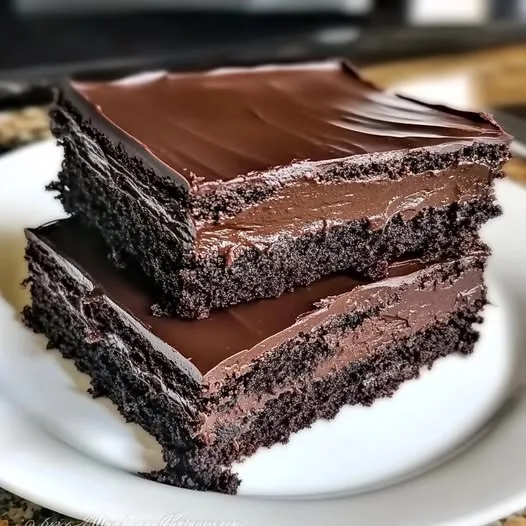
Satisfy your chocolate cravings with this rich, moist, and irresistibly fudgy Chocolate Fudge Cake! Layered with smooth chocolate frosting, this delicious dessert brings deep cocoa flavor and a soft, tender crumb to every bite. Made with protein-rich ingredients and low-carb baking alternatives, it can be a great option for anyone looking for a high-protein chocolate cake without relying on traditional refined flour and sugar. Whether you’re celebrating a special occasion or simply craving a chocolatey treat, this cake delivers indulgent flavor with a more protein-conscious twist.
Recipe note: Since the original ingredient list was not provided, the recipe below is a suggested low-carb, high-protein version rather than a verified recreation of the pictured or linked cake.
Can This Chocolate Fudge Cake Support Weight Loss Goals?
This cake can fit into a balanced eating pattern when enjoyed in a portion that suits your needs. Using protein powder, Greek yogurt, and almond flour can increase protein while reducing the amount of conventional flour and added sugar. Protein contributes to fullness and supports muscle maintenance, while portion awareness helps keep dessert part of an overall balanced diet. Keep in mind that low-carb ingredients can still contain substantial calories, particularly almond flour, chocolate, and frosting.
Does This Chocolate Fudge Cake Fit a High-Protein Lifestyle?
Yes, this version uses protein powder and Greek yogurt to increase its protein content while maintaining a rich chocolate flavor. Almond flour and unsweetened cocoa help keep the carbohydrate content lower than that of many traditional cakes. Net carbs depend on the sweetener, protein powder, chocolate, and frosting you choose. The cake can be a protein-containing dessert, although the exact protein per serving depends on the ingredients and serving size. For the best balance, use unsweetened cocoa, a suitable low-carb sweetener, and a protein powder whose nutrition label fits your preferences.
Why This Recipe Is Special
- Chocolate fudge flavor: Rich cocoa and smooth frosting create a decadent dessert experience.
- Protein-conscious ingredients: Protein powder and Greek yogurt help increase the protein content.
- Lower-carb alternative: Almond flour and a suitable sugar substitute reduce reliance on traditional flour and sugar.
- Moist, tender texture: Greek yogurt adds moisture and helps keep the crumb soft.
- Perfect for chocolate lovers: Enjoy a layered cake without giving up the chocolate flavor you love.
My Personal Experience
- Rich chocolate flavor: Unsweetened cocoa gives the cake a deep, chocolatey taste that pairs beautifully with fudge frosting. A little espresso powder can intensify the chocolate flavor without making the cake taste strongly of coffee.
- A satisfying dessert option: The combination of protein powder and Greek yogurt makes this version more protein-focused than many conventional cakes. The frosting adds indulgence, so a thoughtfully sized slice works well.
- A beautiful layered finish: Allowing the cake layers to cool completely makes frosting much easier. The finished cake looks attractive enough for celebrations while remaining suitable for everyday dessert menus.
Perfect For
- Birthday celebrations and small gatherings
- Chocolate lovers seeking a lower-carb dessert
- Protein-conscious meal planning
- Weekend baking projects
- Afternoon coffee or tea
- Special occasions when you want a chocolate cake with a different nutritional profile
Why You’ll Love This Recipe
- Deep chocolate taste: Cocoa powder and sugar-free chocolate create a rich flavor in both the cake and frosting. You can adjust the cocoa intensity to suit your preference.
- Soft and moist crumb: Greek yogurt helps provide moisture without requiring large amounts of butter. Careful baking prevents the protein-rich cake from becoming dry.
- A protein boost: Protein powder contributes additional protein to the cake. Choosing a powder that works well in baking helps preserve the texture.
- Lower-carb ingredients: Almond flour and a suitable sugar substitute can reduce the carbohydrates compared with a traditional cake. The final amount depends on your brands and portions.
- Customizable frosting: Adjust the sweetness and cocoa intensity to make the frosting more bittersweet or more dessert-like. A little Greek yogurt can soften the texture, although the frosting should be refrigerated if perishable ingredients are used.
Common Mistakes to Avoid
- Overbaking the cake: Protein powder can make baked goods dry if they cook too long. Check the center early and remove the cake when a tester shows a few moist crumbs rather than wet batter.
- Using too much protein powder: Excess protein powder can create a dense or rubbery texture. Measure accurately and use the type specified in the recipe.
- Frosting warm cake layers: Warm cake can melt the frosting and cause layers to slide. Let the layers cool completely before assembling.
- Assuming every sweetener behaves the same: Different low-carb sweeteners vary in sweetness, bulk, and texture. Follow the product’s conversion guidance instead of substituting equal amounts automatically.
Required Equipment
- Two 6-inch round cake pans: Help create evenly sized layers for a compact fudge cake.
- Mixing bowls: Keep the dry and wet ingredients easy to combine.
- Whisk: Breaks up cocoa lumps and distributes the dry ingredients evenly.
- Digital kitchen scale or measuring cups: Improves accuracy when measuring almond flour and protein powder.
- Electric hand mixer: Creates a smooth frosting with less effort.
- Rubber spatula: Helps fold ingredients together without overmixing.
- Wire cooling rack: Allows cake layers to cool evenly before frosting.
- Offset spatula: Makes it easier to spread frosting between layers and across the top.
Storage Instructions
Refrigerator: Because this version contains Greek yogurt and may use a dairy-based frosting, store the finished cake in an airtight cake container in the refrigerator. Keep it at 40°F (4°C) or below and consume within 3–4 days.
Freezer: Freeze individual unfrosted cake layers or slices in a freezer-safe container, with parchment paper between portions. Wrap well to prevent freezer burn and use within 2–3 months for best quality. Thaw overnight in the refrigerator. For the best appearance, add fresh frosting after thawing if possible.
Serving and reheating: Allow a refrigerated slice to sit at room temperature for about 10–15 minutes before serving for a softer texture. This cake is usually best served cool or slightly softened rather than heated, especially if the frosting contains dairy.
For protein-conscious portions, cut the cake into even slices and store them individually. Refrigerate promptly and avoid leaving dairy-based frosting at room temperature for more than two hours.
Recipe Details
- Preparation Time: 25 minutes
- Cooking Time: 20–25 minutes
- Cooling and Decorating Time: 45–60 minutes
- Total Time: Approximately 1 hour 30 minutes
- Servings: 8
- Best Season: All-season
- Total Calories Per Serving: Approximately 280 calories
Calories and nutrition are estimates for the suggested recipe below and can change significantly with the brands of protein powder, almond flour, sweetener, chocolate, and frosting ingredients.
Short 3-Line Description
This Low-Carb High-Protein Chocolate Fudge Cake is rich, moist, and layered with smooth chocolate frosting.
Made with almond flour, protein powder, and Greek yogurt, it offers a protein-conscious twist on a chocolate classic.
Serve a slice for celebrations or whenever a chocolate craving strikes.
Ingredients
For the Chocolate Cake
- 1½ cups (144 g) superfine almond flour
- ½ cup (50 g) unsweetened cocoa powder
- ½ cup (50–60 g) chocolate protein powder
- ⅓ cup (65–70 g) granulated low-carb sweetener suitable for baking
- 1 teaspoon baking powder
- ½ teaspoon baking soda
- ¼ teaspoon salt
- 3 large eggs
- ½ cup (120 g) plain nonfat Greek yogurt
- ¼ cup (60 ml) unsweetened almond milk
- 2 tablespoons (30 ml) neutral oil or melted coconut oil
- 1 teaspoon vanilla extract
- 1 teaspoon instant espresso powder, optional
For the Chocolate Fudge Frosting
- ½ cup (85 g) sugar-free dark chocolate chips
- ½ cup (120 g) plain nonfat Greek yogurt, preferably thick
- 2 tablespoons (10 g) unsweetened cocoa powder
- 2–3 tablespoons powdered low-carb sweetener, or to taste
- ½ teaspoon vanilla extract
- 1–2 tablespoons unsweetened almond milk, as needed
Ingredient notes: Use a protein powder that performs well in baking; whey and plant-based powders can absorb liquid differently. Use a baking sweetener according to its label. The frosting contains Greek yogurt, so the finished cake needs refrigeration.
Directions
- Preheat the oven. Set the oven to 350°F (175°C). Grease two 6-inch round cake pans and line the bases with parchment paper.
- Combine the dry ingredients. In a large bowl, whisk together almond flour, cocoa powder, protein powder, sweetener, baking powder, baking soda, salt, and optional espresso powder. Break up any cocoa or protein powder lumps.
- Mix the wet ingredients. In another bowl, whisk the eggs, Greek yogurt, almond milk, oil, and vanilla extract until smooth. The mixture should look creamy and evenly combined.
- Make the batter. Add the wet mixture to the dry ingredients and stir until just combined. The batter should be thick but spreadable; add a small splash of almond milk if it is unusually stiff.
- Fill the pans. Divide the batter evenly between the prepared pans and smooth the tops with a spatula. Even layers help both cakes bake at a similar rate.
- Bake the cake layers. Bake for approximately 20–25 minutes. Begin checking at 18 minutes because protein powders and ovens vary. The tops should look set, and a toothpick inserted near the center should come out with a few moist crumbs but no wet batter.
- Cool completely. Let the cakes rest in their pans for 10 minutes before turning them onto a wire rack. Cool fully before adding frosting to prevent melting and sliding.
- Melt the chocolate. Melt the sugar-free chocolate chips in a microwave-safe bowl in 15–20 second bursts, stirring between each burst until smooth. Let the chocolate cool until slightly warm but still pourable.
- Prepare the frosting. Whisk the Greek yogurt, cocoa powder, powdered sweetener, and vanilla together. Gradually mix in the melted chocolate. Add almond milk a teaspoon at a time if needed until the frosting is smooth and spreadable.
- Assemble the cake. Place one cooled layer on a serving plate and spread a layer of frosting over it. Add the second cake layer and cover the top and sides with the remaining frosting.
- Chill and serve. Refrigerate the cake for 20–30 minutes to help the frosting set. Slice with a clean knife for neat layers and serve slightly softened for the best texture.
High-protein baking tip: Measure protein powder carefully and avoid adding extra simply to raise the protein content. Too much can make the cake dry or dense. Check the nutrition label of each ingredient if you need a more accurate protein or net-carb calculation.
Nutrition Facts (Per Serving – Approximate)
Estimated per slice when the cake is divided into 8 servings using the ingredients listed above.
- Calories: 280
- Fats: 22 g
- Cholesterol: 75 mg
- Sodium: 260 mg
- Potassium: 300 mg
- Total Carbohydrates: 15 g
- Fiber: 6 g
- Net Carbs: 9 g
- Sugars: 3 g
- Protein: 17 g
- Calcium: 140 mg
These figures are illustrative estimates, not laboratory-tested nutrition data. Actual values may differ considerably by protein powder, almond flour, sweetener, chocolate chips, and portion size. Some sugar alcohols and fiber types are counted differently on nutrition labels, so net-carb calculations can vary.
Notes
- Storage: Refrigerate the frosted cake in an airtight container for 3–4 days.
- Reheating: Serve cool or allow a slice to soften at room temperature for 10–15 minutes; heating is generally unnecessary.
- Allergy notes: Contains eggs, almonds/tree nuts, and dairy. Protein powders and sugar-free chocolate may contain additional allergens or sweeteners.
- Flavor boosts: Add espresso powder, a little orange zest, or a pinch of cinnamon for a richer chocolate profile.
- Frosting texture: If the frosting becomes too soft, chill it briefly before spreading. If it is too thick, add almond milk a teaspoon at a time.
- Sweetener choice: Some sugar substitutes can leave a cooling sensation or gritty texture. A powdered baking sweetener often works better in frosting.
- Nutrition accuracy: Calculate nutrition from the actual ingredient labels and the final number of slices if precise tracking is important.
Frequently Asked Questions
1. Is this chocolate fudge cake genuinely low-carb?
It can be lower in carbohydrates than a traditional cake when made with almond flour and a suitable sugar substitute, but the exact net carbs depend on the ingredients and serving size.
2. Is this cake high in protein?
The suggested recipe provides approximately 17 g of protein per slice, although the actual amount depends on the protein powder and other ingredients used.
3. Can I make this cake without protein powder?
Yes, but removing it changes the protein content and texture, so the remaining dry ingredients and liquid may need adjustment.
4. Can I use coconut flour instead of almond flour?
Not as a direct one-to-one replacement because coconut flour absorbs much more liquid and requires a different recipe balance.
5. Is this chocolate cake suitable for people with diabetes?
It may fit some individualized meal plans, but carbohydrates, sweeteners, portion size, and personal glucose responses vary, so check the nutrition information and follow your clinician’s dietary guidance.
6. Can I make the cake ahead of time?
Yes, bake the layers a day ahead, refrigerate them once cool and wrapped, and frost the cake before serving or whenever convenient.
Make the recipe nutrition internally consistentClarify the recipe is a suggested version