Description
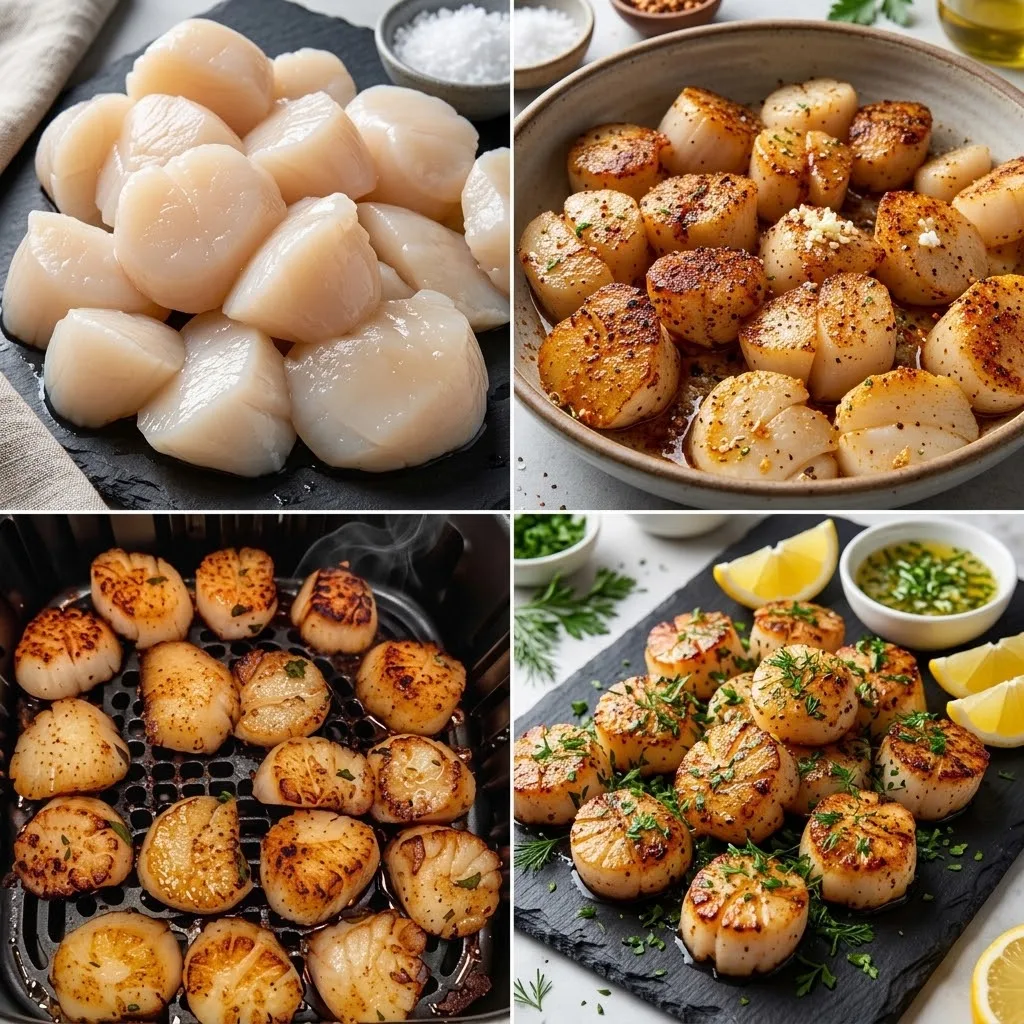
Air-Fried or Pan-Seared Scallops are an elegant yet surprisingly simple seafood dish with a golden, lightly crisp exterior and a tender, juicy center. Seasoned with garlic, lemon, black pepper, and a touch of paprika, these scallops deliver fresh, savory flavor without heavy sauces or unnecessary added sugar. Whether you use an air fryer for convenient cooking or a skillet for beautiful golden browning, this high-protein, low-carb recipe makes a delicious addition to your meal rotation.
Scallops naturally provide protein while containing relatively few carbohydrates, making them a useful option for people who want a diabetic-friendly meal with satisfying flavor. Serve them with steamed broccoli, asparagus, or a fresh green salad for a balanced plate that feels special enough for guests but is quick enough for a weeknight dinner.
Can This Recipe Support Weight Loss Goals?
Air-Fried or Pan-Seared Scallops can fit into a balanced eating plan because scallops are a lean source of protein and naturally low in carbohydrates. Protein helps support fullness, while measuring butter or olive oil allows you to control the amount of added fat and calories. Pairing scallops with fiber-rich, non-starchy vegetables can make the meal more satisfying. No single recipe guarantees weight loss, but this simple seafood dish can be part of a varied eating pattern that suits your preferences and needs.
Does This Recipe Fit a High-Protein Lifestyle?
Yes, scallops are naturally rich in protein and work well in a high-protein lifestyle. This recipe uses scallops, olive oil or a small amount of butter, garlic, lemon juice, and seasonings without relying on breadcrumbs or sugary sauces. A serving made with 6 ounces of raw scallops provides approximately 20–23 grams of protein, depending on the product and cooking loss. The scallops themselves contain roughly 3–5 grams of net carbs per serving, with small variations from seasonings and lemon juice. Pair them with non-starchy vegetables for a satisfying, lower-carb meal.
Why This Recipe Is Special
- High-protein seafood: Scallops provide quality protein in a naturally low-carbohydrate package.
- Two easy cooking methods: Choose the air fryer for convenience or a skillet for a beautifully browned crust.
- Quick and simple: The scallops cook in just a few minutes, making them suitable for busy evenings.
- Naturally lower in carbs: No breading or sugary glaze is needed to make them flavorful.
- Fresh, restaurant-style taste: Garlic, lemon, and paprika complement the scallops without overpowering their delicate sweetness.
My Personal Experience
These are suggested recipe-specific notes you can adapt to reflect your own cooking experience.
– The lemon and garlic make the scallops shine. Fresh lemon brightens the naturally sweet seafood flavor, while garlic adds savory depth without needing a heavy sauce.
– Drying the scallops makes a noticeable difference. Patting them thoroughly dry helps produce better browning in a skillet and a firmer exterior in the air fryer.
– The short cooking time is convenient. Scallops cook quickly, making this recipe a practical choice when you want a protein-rich dinner without spending a long time in the kitchen.
– Both cooking methods deliver delicious results. The air fryer offers convenience, while pan-searing creates a classic golden crust when the skillet is hot enough.
– Simple sides keep the meal balanced. Serving the scallops with asparagus, broccoli, or a fresh salad adds color, fiber, and variety to the plate.
Perfect For
- Quick weeknight dinners when you want a protein-rich meal.
- Diabetic-friendly meal planning with attention to carbohydrate portions.
- Lower-carb eating patterns that emphasize seafood and vegetables.
- Special dinners or date-night-style meals at home.
- Light lunches served with a green salad.
- Simple dinner parties when you want an elegant dish without a complicated recipe.
Why You’ll Love This Recipe
- Fast cooking: Scallops need only a few minutes per side in a skillet or a short time in the air fryer, so dinner can be ready quickly.
- Delicate, tender texture: Properly cooked scallops remain moist and tender rather than chewy.
- Flexible preparation: You can switch between air-frying and pan-searing without changing the basic ingredients.
- Easy carbohydrate control: Garlic, lemon, herbs, and spices add flavor without sugary marinades or breading.
- Naturally protein-rich: Scallops contribute protein without requiring a large portion of meat.
- Easy to customize: Add parsley, chili flakes, or a little lemon zest to adjust the flavor to your liking.
Common Mistakes to Avoid
- Cooking wet scallops: Excess moisture prevents proper browning. Pat them dry thoroughly before seasoning.
- Overcrowding the pan or air-fryer basket: Scallops need space for even cooking. Cook in batches if necessary.
- Overcooking: Scallops become rubbery when cooked too long. Remove them once the center is opaque and the texture is firm and tender.
- Using a pan that is not hot enough: A properly preheated skillet helps create a golden crust before the scallops overcook.
- Adding too much salt too early: Some packaged scallops contain added sodium, so check the label and season accordingly.
Required Equipment
- Air fryer: Provides quick cooking and browning with relatively little added oil.
- Non-stick or stainless-steel skillet: Helps produce a golden crust when pan-searing.
- Tongs: Make it easy to turn the scallops gently without damaging them.
- Paper towels: Remove excess surface moisture for better browning.
- Small mixing bowl: Makes it easy to coat scallops evenly with seasonings.
- Measuring spoons: Help control oil, butter, and salt for consistent portions.
- Food thermometer: Helps confirm the scallops reach a safe internal temperature of 145°F (63°C).
Storage Instructions
- Refrigerator: Place leftover cooked scallops in a shallow, airtight container and refrigerate within 2 hours of cooking. Keep at 40°F (4°C) or below and use within 3–4 days.
- Freezer: For best quality, freeze cooked scallops in a freezer-safe airtight container for up to 2 months, although their texture may become softer after thawing.
- Best storage method: Store scallops separately from salad greens or vegetables so their moisture does not affect the other ingredients.
- Reheating: Warm gently in a covered skillet over low heat with a teaspoon of water or broth, or microwave in short intervals until steaming hot. Avoid prolonged reheating, which can make scallops tough.
- High-protein meal prep tip: Cook scallops close to serving time when possible, because freshly cooked scallops generally have the best texture.
Recipe Details
- Preparation Time: 10 minutes
- Cooking Time: 6–10 minutes, depending on method and scallop size
- Total Time: 16–20 minutes
- Servings: 4
- Best Season: All-season
- Total Calories per Serving: Approximately 150–190 calories, depending on the amount of oil or butter used
Short 3-Line Description
These Air-Fried or Pan-Seared Scallops are tender, flavorful, and finished with garlic, lemon, and simple seasonings. Naturally protein-rich and low in carbohydrates, they’re a delicious choice for a balanced, diabetic-friendly meal. Choose your favorite cooking method and serve with non-starchy vegetables for a quick, satisfying dinner.
📝 Ingredients
Suggested quantities for 4 servings.
- 1½ lb (680 g) raw sea scallops, thawed if frozen
- 1 tablespoon olive oil
- 1 tablespoon unsalted butter, optional
- 2 cloves garlic, finely minced
- 1 tablespoon fresh lemon juice
- ½ teaspoon paprika
- ¼ teaspoon black pepper
- ¼ teaspoon salt, or to taste
- 1 tablespoon chopped fresh parsley
- Lemon wedges, for serving
For air-frying: Use the olive oil and skip the optional butter if you prefer to keep added fat lower.
For pan-searing: Olive oil helps with browning, while the optional butter adds richness. Use a moderate amount to keep the dish lighter.
Directions
Method 1: Air-Fried Scallops
1. Preheat the air fryer — 3 minutes. Set the air fryer to 400°F (200°C). Preheating helps the scallops begin cooking evenly.
2. Prepare the scallops — 5 minutes. Remove the small side muscle if attached, then pat the scallops very dry with paper towels. Place them in a bowl and toss gently with olive oil, paprika, black pepper, and a modest amount of salt.
3. Arrange in the basket. Place the scallops in a single layer with space between them. Avoid stacking or crowding, as this can cause uneven cooking.
4. Air-fry — 6–8 minutes. Cook at 400°F (200°C), turning carefully halfway through if needed. Smaller scallops may finish sooner, so begin checking early. They should be opaque and firm with lightly golden edges.
5. Add the finishing flavors. Mix the garlic with lemon juice and the optional melted butter. Toss gently with the hot scallops, then sprinkle with parsley. For food safety, confirm the thickest scallop reaches 145°F (63°C).
Method 2: Pan-Seared Scallops
1. Dry and season — 5 minutes. Pat the scallops thoroughly dry. Season with paprika, black pepper, and a little salt just before cooking.
2. Heat the skillet — 2 minutes. Place a skillet over medium-high heat. Add the olive oil and allow it to heat until shimmering but not smoking.
3. Sear the scallops — 2–3 minutes on the first side. Arrange them in one layer with space between each scallop. Leave them undisturbed until the underside develops a golden-brown crust and the scallop releases more easily from the pan.
4. Turn and finish — 1–3 minutes. Turn each scallop gently with tongs. Cook the second side until golden and the center becomes opaque and firm. Adjust timing for scallop size and verify an internal temperature of 145°F (63°C).
5. Add garlic and butter — 30–60 seconds. Reduce the heat to medium-low. Add the optional butter and garlic, stirring carefully so the garlic becomes fragrant without burning. Add lemon juice, spoon the light sauce over the scallops, and remove from the heat.
6. Garnish and serve. Sprinkle with fresh parsley and serve immediately with lemon wedges. For a high-protein, lower-carb plate, add steamed asparagus, broccoli, or a green salad instead of a sugary or starch-heavy side.
Nutrition Facts (Per Serving – Approximate)
Estimated for 4 servings using 1½ lb raw scallops, 1 tablespoon olive oil, and the optional tablespoon of butter. Actual values vary by scallop size, product label, and added fat.
- Calories: 175 kcal
- Fats: 6 g
- Cholesterol: 55 mg
- Sodium: 420 mg
- Potassium: 500 mg
- Total Carbohydrates: 5 g
- Fiber: 0 g
- Net Carbs: 5 g
- Sugars: 1 g
- Protein: 24 g
- Calcium: 25 mg
Nutrition note: The recipe’s title does not specify a protein amount, and the estimate above is based on the suggested ingredient quantities. Scallops naturally contain cholesterol and sodium, and packaged or treated scallops may contain added salt.
Notes
- Diabetic-friendly serving idea: Serve with non-starchy vegetables and consider the carbohydrate content of any accompanying sauce or side.
- Choose suitable scallops: Look for plain scallops without added breading, sweet marinades, or brine when possible.
- Check for allergens: Scallops are molluscan shellfish and can trigger serious allergic reactions. Avoid them if you have a shellfish allergy.
- Control sodium: Check the packaging for added sodium and adjust the salt accordingly.
- Boost flavor: Lemon zest, fresh parsley, chives, or a pinch of chili flakes add brightness without requiring a sugary sauce.
- Keep the texture tender: Serve immediately after cooking and avoid reheating repeatedly.
- Make it dairy-free: Skip the butter and use olive oil for both cooking methods.
Frequently Asked Questions
1. Are scallops suitable for a diabetic-friendly diet? Plain scallops are naturally low in carbohydrates and can fit into a balanced diabetic-friendly eating plan when prepared without sugary sauces or breading.
2. Are air-fried scallops healthier than pan-seared scallops? Both methods can be nutritious, and the overall difference depends largely on how much oil or butter you use.
3. How do I know when scallops are cooked? Properly cooked scallops should be opaque and firm, and the thickest part should reach an internal temperature of 145°F (63°C).
4. Can I use frozen scallops? Yes, thaw them safely in the refrigerator or under cold running water, then drain and pat them dry before cooking.
5. Why did my scallops turn rubbery? Scallops usually become rubbery from overcooking, so use short cooking times and check them early.
6. What should I serve with scallops? Try asparagus, broccoli, sautéed spinach, or a fresh green salad for a flavorful meal with additional fiber and relatively few carbohydrates.