Description
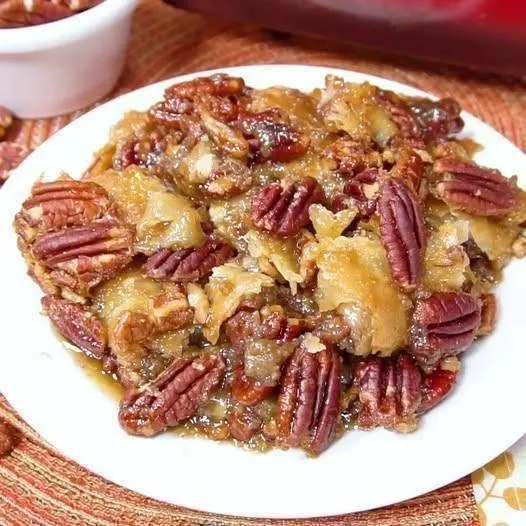
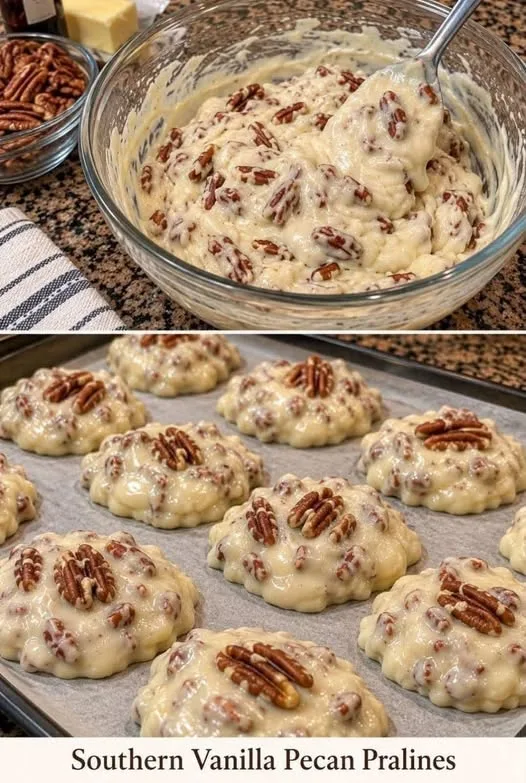
Southern Vanilla Pecan Pralines are classic Southern-style sweets made with toasted pecans, rich butter, creamy sugar, and fragrant vanilla. Each praline develops a delicate, fudge-like texture that melts in your mouth, while crunchy pecans add a delicious nutty flavor. These homemade treats are perfect for Christmas cookie trays, holiday gift boxes, and festive dessert tables. Although pecans provide healthy fats and a little protein, traditional pralines contain considerable added sugar, so they are best enjoyed as an occasional treat rather than a high-protein or low-carb snack.
Can This Recipe Support Weight Loss Goals?
Traditional Southern Vanilla Pecan Pralines are an indulgent dessert rather than a weight-loss-focused recipe. Pecans provide some protein, fiber, and unsaturated fats, which contribute to the recipe’s nutritional value, but sugar and butter also make these sweets calorie-dense. Enjoying a small portion as part of a balanced eating pattern can fit many different nutritional goals. For a more protein-focused snack, pair one praline with plain Greek yogurt rather than relying on the praline itself to provide substantial protein.
Does This Recipe Fit a High-Protein Lifestyle?
Pecans provide a small amount of plant-based protein, but the main ingredients in traditional pralines are sugar, butter, and cream.
These ingredients create the signature creamy texture and sweet, caramel-like flavor but do not make the recipe particularly protein-rich.
Net carbohydrates are relatively high because traditional pralines contain substantial added sugar.
They are not suitable for a strict low-carb or keto diet when prepared with conventional ingredients.
For a more balanced dessert, enjoy a small praline alongside a protein-rich food such as unsweetened Greek yogurt.
Why This Recipe Is Special
- Classic Southern Flavor: Rich vanilla, buttery sweetness, and pecans create a timeless confection.
- Perfect for Christmas: These pralines make beautiful additions to holiday dessert trays and homemade gift boxes.
- Creamy and Crunchy: The smooth sugar mixture contrasts with the toasted pecans.
- Simple Ingredients: Butter, sugar, cream, vanilla, and pecans create a delicious traditional treat.
- Great for Sharing: The recipe can be prepared in batches for family gatherings and festive celebrations.
My Personal Experience
The following are suggested recipe-style observations rather than claims of personal cooking experience.
- A Festive Favorite: These pralines make an attractive addition to a Christmas dessert table.
Their creamy appearance and generous pecan pieces give them a homemade, traditional feel. - The Vanilla Makes a Difference: Pure vanilla extract enhances the buttery sweetness and toasted pecan flavor.
Adding it at the right stage helps preserve its delicate aroma. - Texture Is the Key: Properly cooked praline mixture creates the characteristic creamy, slightly crumbly texture.
Careful temperature control helps prevent graininess or an overly hard result. - Ideal for Holiday Gifting: Individual pralines can be placed in small paper candy cups and arranged in gift boxes.
Allow them to cool and set completely before packaging to prevent sticking.
Perfect For
- Christmas Celebrations: A traditional homemade sweet for holiday gatherings.
- Holiday Gift Boxes: Package individual pralines in decorative boxes or tins.
- Dessert Platters: Serve alongside cookies, brownies, and other festive sweets.
- Family Gatherings: Prepare a batch for sharing after dinner.
- Homemade Treats: Enjoy one occasionally with coffee, tea, or a glass of milk.
- Holiday Baking Traditions: Make them part of an annual Christmas confectionery collection.
Why You’ll Love This Recipe
- Rich, Buttery Flavor: Butter and cream create a smooth, indulgent base.
Vanilla enhances the sweetness without overpowering the pecans. - Delicious Pecan Crunch: Chopped pecans add a satisfying nutty texture.
Toasting them lightly beforehand can deepen their flavor. - Perfect for Gifting: The pralines look attractive in individual candy cups.
Their firm, set texture makes them convenient to package once completely cooled. - A Traditional Southern Treat: This recipe captures the familiar flavor of classic pecan pralines.
It is a lovely choice for anyone who enjoys old-fashioned homemade sweets. - Easy to Make in Batches: The ingredients can be scaled for larger holiday gatherings.
For large quantities, prepare manageable batches to maintain consistent texture.
Common Mistakes to Avoid
- Cooking the Sugar Mixture at the Wrong Temperature: Undercooking may prevent the pralines from setting, while overcooking can make them dry or hard; use a candy thermometer for consistent results.
- Stirring Too Much After Cooling Begins: Excessive stirring at the wrong stage can encourage sugar crystallization and produce a grainy texture.
- Adding Pecans Too Early: Pecans can become overcooked if exposed to prolonged heat; follow the recipe’s timing and stir them in at the appropriate stage.
- Waiting Too Long to Spoon the Mixture: Praline mixture thickens as it cools, making it harder to portion; prepare the lined tray before cooking and work promptly once the mixture is ready.
Required Equipment
- Heavy-Bottomed Saucepan — Distributes heat evenly and reduces the risk of scorching the sugar.
- Candy Thermometer — Helps identify the correct cooking temperature for consistent praline texture.
- Silicone Spatula or Wooden Spoon — Makes stirring the thick mixture easier.
- Measuring Cups and Spoons — Keep ingredient quantities consistent from batch to batch.
- Baking Sheet — Provides a stable surface for portioning the pralines.
- Parchment Paper — Prevents the cooled pralines from sticking to the tray.
- Small Cookie Scoop or Two Spoons — Helps portion similarly sized pralines quickly.
Storage Instructions
Room Temperature: Once completely cool and set, place the pralines in an airtight container with parchment paper between layers. Store them in a cool, dry place away from direct sunlight. They generally keep well for approximately 1–2 weeks when prepared and stored properly.
Refrigerator: If your kitchen is particularly warm or humid, refrigerate the pralines in a tightly sealed container for up to 3 weeks for good quality. Allow them to come closer to room temperature before serving for the best texture.
Freezer: Place completely cooled pralines in a freezer-safe airtight container, separating layers with parchment paper. Freeze for up to 2–3 months for best quality. Thaw them inside the sealed container in the refrigerator to reduce condensation.
Holiday Meal-Prep Tip: Make pralines in batches, allow each batch to set completely, and store them in airtight containers until needed. Keep them away from moisture, which can make the sugar coating sticky.
Food Safety: Because recipes vary in their dairy content and moisture levels, use a reliable tested recipe and follow its storage guidance, particularly if using cream or other perishable ingredients.
Recipe Details
- Preparation Time: 10 minutes
- Cooking Time: 20 minutes
- Cooling and Setting Time: 30–60 minutes
- Total Time: Approximately 1 hour–1 hour 30 minutes
- Servings: 24 pralines
- Best Season: All-season, especially Christmas and winter holidays
- Calories Per Serving: Approximately 150–190 calories per praline
These are planning estimates for a traditional praline recipe. Actual calories depend on the ingredient quantities and the size of each piece.
Short 3-Line Description
Southern Vanilla Pecan Pralines combine buttery sweetness, fragrant vanilla, and crunchy pecans in a classic homemade confection.
Their creamy, fudge-like texture makes them a delicious addition to Christmas dessert trays and holiday gift boxes.
Prepare a batch for festive gatherings and enjoy these traditional Southern sweets in small portions.
📝 Ingredients
The following is a standard Southern-style praline recipe designed to yield approximately 24 small pralines.
- 2 cups granulated sugar
- 1 cup light brown sugar, firmly packed
- ½ cup heavy cream
- ½ cup whole milk
- 4 tablespoons unsalted butter
- 2 cups pecan halves or roughly chopped pecans
- 1 teaspoon pure vanilla extract
- ⅛ teaspoon salt
Ingredient Notes:
- Pecans: Roughly chopped pecans distribute more evenly throughout the pralines, while halves create a chunkier texture.
- Heavy cream: Contributes richness and helps produce a creamy confection.
- Unsalted butter: Allows you to control the salt level.
- Vanilla extract: Add it near the end of cooking to preserve its aroma.
- Candy thermometer: Recommended because the final texture depends on accurate temperature control.
Directions
Step 1: Prepare the Baking Tray
- Line a baking sheet with parchment paper.
- Measure all ingredients before beginning because the mixture thickens quickly once ready.
- Arrange the pecans near your cooking area for easy access.
Timing: Approximately 5 minutes.
Tip: Preparing the tray first makes portioning easier when the mixture reaches the correct consistency.
Step 2: Combine the Sugar and Dairy
- Place the granulated sugar, brown sugar, heavy cream, and milk in a heavy-bottomed saucepan.
- Set the pan over medium heat.
- Stir gently until the sugars dissolve and the mixture becomes smooth.
- Add the butter and salt, stirring until the butter melts.
Timing: Approximately 5–8 minutes.
Texture cue: The mixture should appear smooth, with no visible dry sugar crystals along the bottom of the pan.
Step 3: Cook the Praline Mixture
- Bring the mixture to a gentle boil over medium heat.
- Once it begins boiling, reduce the heat slightly if needed to prevent it from bubbling over.
- Attach a candy thermometer and cook until the mixture reaches approximately 235–240°F (113–116°C), the soft-ball stage.
- Avoid scraping crystallized sugar from the sides of the pan back into the mixture.
Timing: Approximately 10–15 minutes, depending on the pan and heat level.
Texture cue: The mixture should thicken slightly and bubble steadily.
Important: Candy temperatures are sensitive to humidity and altitude. Use a reliable thermometer and a tested praline method, as the exact finishing stage can affect the final texture.
Step 4: Add the Pecans and Vanilla
- Remove the saucepan from the heat once the mixture reaches the appropriate temperature.
- Let the bubbling settle briefly.
- Stir in the pecans and vanilla extract.
- Continue stirring as the mixture cools slightly and begins to thicken.
Timing: Approximately 2–4 minutes.
Texture cue: The mixture should become thicker and slightly less glossy while remaining spoonable.
Tip: Avoid prolonged heating after adding the vanilla, as excessive heat can diminish its aroma.
Step 5: Spoon the Pralines
- Use a tablespoon or small cookie scoop to drop portions of the mixture onto the prepared parchment paper.
- Leave approximately 1–2 inches between each portion so they can spread slightly.
- Work promptly before the mixture becomes too firm to portion.
- If the mixture becomes too stiff, do not add water indiscriminately; follow the recovery method from your tested recipe.
Timing: Approximately 5–8 minutes.
Texture cue: Each portion should hold its general shape while spreading slightly into a rounded candy.
Step 6: Cool and Set
- Leave the pralines undisturbed at room temperature for approximately 30–60 minutes.
- Check that the surfaces are dry and the candies release easily from the parchment.
- Once completely cool, transfer them to an airtight container.
Texture cue: Properly set pralines should hold their shape and have a creamy, slightly crumbly consistency rather than a sticky or liquid center.
High-protein tip: Traditional pralines are not a substantial protein source, so pair a small serving with plain Greek yogurt or milk if you want a more protein-balanced snack.
Nutrition Facts (Per Serving – Approximate)
Estimated per praline, assuming 24 pralines from the ingredient quantities listed above.
| Nutrient | Approximate Amount |
|---|---|
| Calories | 180 kcal |
| Total Fat | 9 g |
| Cholesterol | 10 mg |
| Sodium | 25 mg |
| Potassium | 80 mg |
| Total Carbohydrates | 25 g |
| Fiber | 1 g |
| Net Carbs | 24 g |
| Sugars | 24 g |
| Protein | 2 g |
| Calcium | 20 mg |
Nutrition note: These are rough estimates, not laboratory-tested values. Actual nutrition varies with the final yield, praline size, and ingredient brands. Traditional pecan pralines are relatively high in added sugar and carbohydrates and provide only a small amount of protein.
Notes
- Texture: Use a candy thermometer to improve consistency, especially when preparing large holiday batches.
- Storage: Keep pralines in an airtight container away from heat and humidity.
- Reheating: Finished pralines do not need reheating; if the cooking mixture sets before portioning, follow a tested recipe’s instructions for gently loosening it.
- Allergy Information: Contains pecans, dairy, and potentially other allergens depending on ingredient brands.
- Flavor Boosts: A small pinch of cinnamon or extra vanilla can add warmth without overpowering the pecans.
- Batch Preparation: For large holiday orders, work in manageable batches rather than multiplying the recipe several times in one saucepan.
- Protein Consideration: Pecans contribute a little protein, but these sweets should be considered a dessert rather than a high-protein snack.
Frequently Asked Questions
1. Why didn’t my pecan pralines set?
They may not have reached the correct cooking temperature or may need additional cooling time in a cool, dry environment.
2. Why did my pralines turn grainy?
Sugar crystallization can occur when undissolved crystals enter the mixture or when the mixture is stirred improperly during cooking and cooling.
3. Can I make Southern Vanilla Pecan Pralines ahead of Christmas?
Yes, you can prepare them ahead and store them in an airtight container, following the recipe’s storage guidance.
4. Can I freeze pecan pralines?
Yes, freeze completely cooled pralines in an airtight freezer-safe container for up to 2–3 months for best quality.
5. Are pecan pralines keto-friendly or low-carb?
No, traditional pralines contain substantial sugar and are not suitable for a strict keto or low-carb diet.
6. Are Southern Vanilla Pecan Pralines high in protein?
No, they contain only a small amount of protein from pecans and are best enjoyed as an occasional dessert.