Description
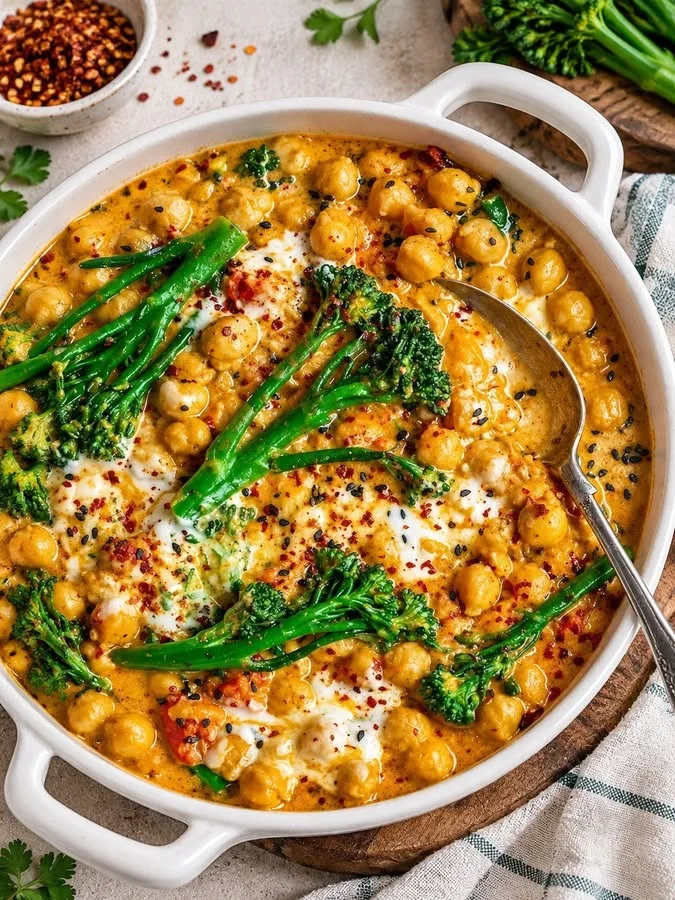
This Vegan Chickpea Curry is a quick, easy, and comforting meal that is perfect for beginners who want something flavorful without complicated cooking techniques. Tender chickpeas simmer in a rich tomato-based sauce with onion, garlic, ginger, and warm curry spices, creating a hearty dish with plenty of savory depth. It is naturally vegan, budget-friendly, and a great source of plant-based protein and fiber. While traditional chickpea curry is not a strict low-carb or keto recipe because chickpeas contain carbohydrates, it can still fit a balanced high-protein lifestyle when served with sensible portions and plenty of vegetables.
Can This Vegan Chickpea Curry Support Weight Loss Goals?
Vegan Chickpea Curry can support balanced weight-management goals when included as part of an overall nutritious eating pattern. Chickpeas provide plant-based protein and fiber, which can make the meal satisfying and filling. Using a moderate amount of oil and plenty of vegetables keeps the curry flavorful without unnecessarily increasing calories. For a lighter plate, serve it with cauliflower rice, steamed vegetables, or a smaller portion of whole-grain rice.
Does Vegan Chickpea Curry Fit a High-Protein Lifestyle?
Yes, Vegan Chickpea Curry can fit a high-protein lifestyle as a plant-based meal, although chickpeas provide moderate rather than extremely high protein. The recipe combines chickpeas with tomatoes, onions, garlic, and aromatic spices for a nutrient-dense bowl. A serving contains approximately 12g of protein and around 30g of net carbs, so it is not considered a strict low-carb or keto recipe. For extra protein, pair it with tofu, lentils, edamame, or a plant-based high-protein side.
Why This Recipe is Special
- Beginner-Friendly: Simple ingredients and straightforward cooking make this curry easy for first-time cooks.
- Plant-Based Protein: Chickpeas provide satisfying plant-based protein and fiber.
- Quick Comfort Food: A warm, aromatic curry comes together without hours of simmering.
- Budget-Friendly: Affordable pantry staples create a flavorful and filling meal.
- Naturally Vegan: No meat, dairy, or eggs are needed for its creamy, hearty texture.
My Personal Experience
- The spices make the whole kitchen smell amazing.
Blooming the curry powder, cumin, and garam masala in the onion mixture gives this simple curry a surprisingly deep aroma. - The chickpeas become wonderfully tender.
A short simmer allows the chickpeas to absorb the tomato sauce and spices while keeping enough texture for a satisfying bite. - It is especially easy for beginners.
There are no complicated techniques, and most of the cooking happens in one pan. - The sauce thickens beautifully.
Lightly mashing a few chickpeas directly in the pan naturally thickens the curry without needing cream or flour. - The leftovers taste even better.
After resting overnight, the chickpeas absorb more of the aromatic sauce, making the next-day portion especially flavorful.
Perfect For
- Easy weeknight dinners
- Beginner cooks
- Quick vegan lunches
- Plant-based meal prep
- Budget-friendly family meals
- High-protein plant-based meal plans
- Cozy winter dinners
- Healthy everyday lunches
- Serving with rice, quinoa, or cauliflower rice
- Make-ahead meals for busy schedules
Why You’ll Love This Recipe
- Big flavor from simple ingredients.
Curry powder, cumin, ginger, garlic, and garam masala transform basic pantry ingredients into a richly seasoned meal. - Fast and convenient.
Using canned chickpeas means there is no soaking or lengthy preparation required. - Naturally vegan.
The recipe gets its hearty texture and satisfying flavor entirely from plant-based ingredients. - Easy to customize.
You can add spinach, peas, bell peppers, or other vegetables without changing the basic cooking method. - Perfect for meal prep.
The curry stores and reheats well, making it convenient for lunches throughout the week.
Common Mistakes to Avoid
- Adding the spices too late: Toasting the spices briefly with the aromatics helps release their flavor.
- Using too much liquid: Excess water can make the curry thin instead of rich and spoonable.
- Skipping the simmer: Give the chickpeas enough time to absorb the tomato sauce and spices.
- Overcooking the chickpeas: Stir gently so they remain tender and retain some texture.
Required Equipment
- Large non-stick skillet or saucepan — provides even cooking and helps prevent the curry from sticking.
- Wooden spoon — makes it easy to stir and gently mash some chickpeas.
- Chef’s knife — efficiently prepares the onion, garlic, ginger, and optional vegetables.
- Measuring spoons — keeps the spice balance consistent.
- Can opener — makes canned chickpea preparation quick and convenient.
Storage Instructions
Allow the curry to cool slightly before transferring it to an airtight glass or food-safe container. Refrigerate leftovers for 3–4 days. For longer storage, freeze individual portions in freezer-safe containers for up to 2–3 months.
For meal prep, portioning the curry separately makes reheating easier and helps maintain consistent serving sizes. Thaw frozen curry in the refrigerator overnight when possible, then reheat gently on the stovetop or in the microwave until steaming hot.
Recipe Details
Preparation Time: 10 minutes
Cooking Time: 25 minutes
Total Time: 35 minutes
Servings: 4
Best Season for This Recipe: All-season
Total Calories (Per Serving): Approximately 300 calories
Short 3-Line Description
A quick and comforting Vegan Chickpea Curry packed with tender chickpeas, tomatoes, garlic, ginger, and warming spices.
This beginner-friendly one-pan meal delivers plant-based protein, fiber, and rich curry flavor without complicated techniques.
Serve it with vegetables, quinoa, rice, or cauliflower rice for an easy everyday meal.
📝 Ingredients
- 2 cans (15 oz each) chickpeas, drained and rinsed — the main plant-based protein source.
- 1 tablespoon olive oil — for sautéing the aromatics.
- 1 medium yellow onion, finely chopped
- 3 cloves garlic, minced
- 1 tablespoon fresh ginger, grated
- 1 can (14.5 oz) diced tomatoes
- 1 tablespoon tomato paste
- 1 cup low-sodium vegetable broth
- 1½ teaspoons curry powder
- 1 teaspoon ground cumin
- 1 teaspoon garam masala
- ½ teaspoon ground turmeric
- ½ teaspoon paprika
- ½ teaspoon salt, or to taste
- ¼ teaspoon black pepper
- ¼ teaspoon chili flakes — optional for heat.
- 1 tablespoon fresh lemon juice
- 2 tablespoons fresh cilantro, chopped — for garnish.
- Optional: 1 cup fresh spinach for additional vegetables.
Directions
1. Prepare the ingredients
Drain and rinse the chickpeas thoroughly and chop the onion, garlic, and fresh ginger. This preparation makes the cooking process quick and smooth.
2. Sauté the aromatics
Heat a large non-stick skillet or saucepan over medium heat. Add the olive oil and onion, then cook for 4–5 minutes, stirring occasionally, until the onion becomes soft and translucent.
3. Add garlic and ginger
Add the minced garlic and grated ginger. Cook over medium heat for about 1 minute, stirring constantly, until fragrant. Avoid browning the garlic too much.
4. Bloom the spices
Add curry powder, cumin, garam masala, turmeric, paprika, black pepper, and chili flakes if using. Stir continuously for 30–45 seconds. The spices should become aromatic without burning.
5. Build the tomato sauce
Stir in the tomato paste and diced tomatoes. Cook over medium heat for 3–4 minutes, allowing the tomatoes to soften and the sauce to become slightly thicker.
6. Add chickpeas and broth
Add the rinsed chickpeas and vegetable broth. Stir well and bring the mixture to a gentle simmer.
7. Simmer the curry
Reduce the heat to medium-low, cover partially, and simmer for 12–15 minutes. Stir occasionally. The sauce should become thicker while the chickpeas absorb the spices.
8. Thicken naturally
For a creamier texture, gently mash approximately ¼ cup of the chickpeas against the side of the pan with a wooden spoon. This releases their starch and naturally thickens the sauce without flour or cream.
9. Add optional spinach
If using spinach, stir it in during the final 2–3 minutes of cooking. Cook until wilted and evenly incorporated.
10. Finish and serve
Turn off the heat and stir in fresh lemon juice. Taste and adjust the salt or spices if needed. Garnish with fresh cilantro and serve warm.
High-Protein Cooking Tip: For a higher-protein meal, serve the curry alongside tofu, edamame, quinoa, or another plant-based protein source rather than relying on chickpeas alone.
Nutrition Facts (Per Serving – Approximate)
- Calories: 300 kcal
- Fats: 8 g
- Cholesterol: 0 mg
- Sodium: 520 mg
- Potassium: 620 mg
- Total Carbohydrates: 44 g
- Fiber: 14 g
- Net Carbs: 30 g
- Sugars: 8 g
- Protein: 12 g
- Calcium: 75 mg
Nutrition values are approximate and can vary depending on the specific brands, serving sizes, and ingredients used.
Notes
- Storage: Refrigerate in airtight containers for 3–4 days or freeze for 2–3 months.
- Reheating: Reheat gently over medium-low heat, adding a splash of vegetable broth or water if the sauce becomes too thick.
- Allergy Notes: Chickpeas are legumes, so avoid this recipe if you have a known legume allergy; check packaged ingredients for additional allergens.
- Flavor Boost: Add extra fresh ginger, lemon juice, cilantro, or a small pinch of garam masala just before serving.
- Spice Level: Increase chili flakes or add fresh chili if you prefer a hotter curry.
- Extra Vegetables: Spinach, bell peppers, peas, cauliflower, and zucchini work particularly well.
- Lower-Carb Option: Serve over cauliflower rice or alongside roasted non-starchy vegetables instead of traditional rice.
- Creamier Texture: Mash a few extra chickpeas into the sauce rather than adding heavy cream.
Frequently Asked Questions
1. Is Vegan Chickpea Curry high in protein?
It provides a useful amount of plant-based protein, with approximately 12g per serving, but it is best paired with another protein source for a higher-protein meal.
2. Is chickpea curry low-carb?
Traditional chickpea curry is not a strict low-carb or keto recipe because chickpeas naturally contain carbohydrates.
3. Can I use dried chickpeas instead of canned?
Yes, but dried chickpeas should be fully cooked and tender before adding them to the curry.
4. Can I add vegetables to this curry?
Yes, spinach, bell peppers, zucchini, cauliflower, and peas can all be added for extra variety and nutrients.
5. Can I make this curry ahead of time?
Yes, making it ahead allows the chickpeas to absorb more of the spices and can make the flavor even more developed.
6. What should I serve with Vegan Chickpea Curry?
It pairs well with basmati rice, quinoa, whole-grain flatbread, or cauliflower rice depending on your preferred meal style.