Description
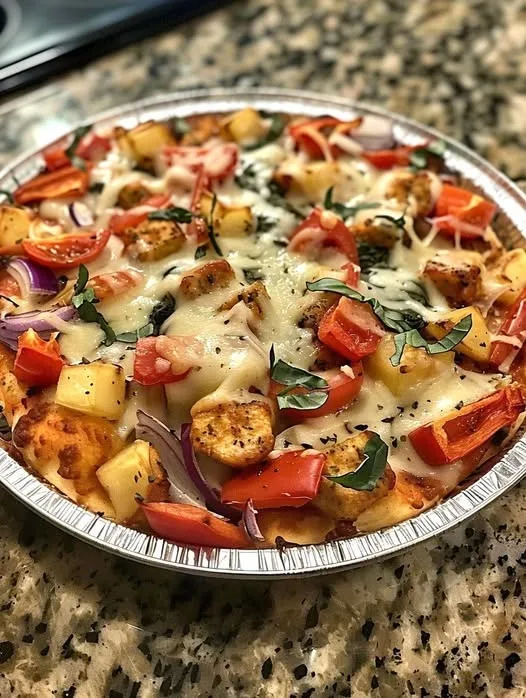
This Vegan Crustless Pizza Bowl delivers all the delicious flavors of pizza without the crust! Packed with savory tomato sauce, tender vegetables, vegan cheese, and Italian herbs, every bite is warm, cheesy, and satisfying. It is an easy, customizable meal for anyone looking for a low-carb pizza alternative, with options to boost the protein using tofu or plant-based meat.
Can This Vegan Crustless Pizza Bowl Support Weight Loss Goals?
Yes, this recipe can fit into a balanced weight-management plan. Vegetables provide fiber and volume, while tomato sauce and Italian seasonings deliver plenty of flavor without requiring a traditional pizza crust. Choosing moderate amounts of vegan cheese and olive oil can help manage calories. Adding tofu, tempeh, or a high-protein plant-based meat alternative can make the bowl more filling and increase its protein content.
Does This Recipe Fit a High-Protein Lifestyle?
This vegan pizza bowl can fit a high-protein lifestyle, especially when prepared with tofu or plant-based meat alternatives. Mushrooms, peppers, and tomato sauce provide flavor and nutrients, while vegan cheese contributes additional protein depending on its ingredients. Using a protein-rich topping can bring each serving to approximately 18–25 g of protein. Net carbs may range from 12–18 g per serving, depending on the vegetables and sauce used. The recipe is naturally crustless, but it is not automatically keto-friendly or high-protein without suitable ingredient choices.
Why This Recipe Is Special
- Crustless pizza flavor: Enjoy classic pizza-inspired flavors without traditional dough.
- Completely vegan: Plant-based ingredients make it suitable for vegan eating.
- Easy and quick: Prepare a satisfying meal in about 30 minutes.
- Low-carb adaptable: Skipping the crust reduces carbohydrates compared with conventional pizza.
- Protein customizable: Add tofu or plant-based crumbles to increase the protein content.
My Personal Experience
– All the pizza flavor: The combination of tomato sauce, Italian herbs, and melted vegan cheese creates a comforting pizza-inspired meal. Roasted vegetables add extra flavor and texture.
– Simple preparation: Everything comes together in one oven-safe bowl, making the recipe easy for beginner cooks. There is no dough to prepare, roll, or bake.
– Easy to customize: You can switch the vegetables, adjust the seasonings, or use your favorite vegan cheese. Adding tofu or plant-based crumbles makes it more substantial.
– Perfect for busy days: The bowl is convenient when you want pizza flavors without making an entire pizza. Individual portions also make serving and meal planning easier.
Perfect For
- Quick weeknight dinners
- Vegan lunch or dinner options
- Low-carb-inspired meal plans
- Meal prep and portion-controlled meals
- Pizza cravings without traditional crust
- Easy lunches for work or school
- Plant-based, protein-conscious eating
Why You’ll Love This Recipe
– No dough required: Skip the kneading and rolling and assemble the ingredients directly in a baking dish. This keeps preparation simple and reduces cleanup.
– Rich, savory flavor: Tomato sauce, garlic, oregano, and basil create a familiar pizza taste. Vegan cheese adds a creamy topping that melts according to the brand used.
– Colorful vegetables: Mushrooms, bell peppers, and onions provide different textures and natural sweetness. They also make the bowl more satisfying.
– Flexible protein options: Add crumbled tofu or plant-based meat alternatives to boost protein. Choose a product with a suitable protein content and low added sugar.
– Easy portioning: Prepare separate bowls for individual servings. This makes it simple to customize toppings and estimate nutrition.
Common Mistakes to Avoid
- Using too much sauce: Excess sauce can make the bowl watery, so use a thick pizza sauce and drain watery vegetables if needed.
- Overloading the bowl: Too many toppings can prevent even heating and make the center soggy.
- Expecting every vegan cheese to melt identically: Different plant-based cheeses have different melting properties, so follow the package instructions when necessary.
- Skipping seasoning: Tomato sauce and vegetables benefit from garlic, oregano, basil, and black pepper for a fuller pizza flavor.
Required Equipment
- Oven-safe bowl or small baking dish — Holds the toppings securely while they heat and bake.
- Cutting board and knife — Make vegetable preparation quick and consistent.
- Measuring cups and spoons — Help control sauce, seasonings, and oil portions.
- Mixing spoon — Distributes the sauce and seasonings evenly.
- Oven or air fryer — Heats the ingredients and softens the vegan cheese topping.
Storage Instructions
- Refrigerator: Store leftovers in an airtight container for up to 3–4 days.
- Freezer: Freeze in freezer-safe containers for up to 2 months for best quality; vegetables may become softer after thawing.
- Reheating: Reheat in an oven at 350°F (175°C) for approximately 10–15 minutes or microwave until steaming hot.
- Food safety: Refrigerate leftovers within 2 hours of cooking and avoid repeated reheating.
- Protein tip: If the bowl contains tofu or plant-based meat, store it promptly and reheat thoroughly to maintain food safety.
Recipe Details
- Preparation Time: 10 minutes
- Cooking Time: 20 minutes
- Total Time: 30 minutes
- Servings: 2
- Best Season: All-season
- Total Calories: Approximately 250–320 calories per serving
Short Description
This Vegan Crustless Pizza Bowl combines rich tomato sauce, colorful vegetables, Italian herbs, and melted vegan cheese. It offers an easy pizza-inspired meal without traditional crust. Add tofu or plant-based crumbles for a delicious protein boost.
📝 Ingredients
Makes 2 servings.
- 1 cup (240 g) thick vegan pizza sauce or marinara sauce, with no added sugar if preferred
- 1 cup (100 g) sliced mushrooms
- ½ medium bell pepper (75 g), diced
- ¼ medium red onion (30 g), diced
- ½ cup (75 g) vegan mozzarella-style cheese
- 1 teaspoon (5 ml) olive oil
- 1 clove garlic, minced
- ½ teaspoon dried oregano
- ½ teaspoon dried basil
- ¼ teaspoon black pepper
- 1 cup (150 g) firm tofu, crumbled, optional for extra protein
- 2 tablespoons sliced black olives, optional
- Fresh basil or parsley for garnish
Ingredient notes:
- Check that the pizza sauce and vegan cheese are dairy-free.
- For a higher-protein version, include the tofu; nutrition values will change.
- Choose thick sauce to help prevent a watery bowl.
Directions
1. Preheat the oven: Set the oven to 400°F (200°C). Lightly grease two small oven-safe bowls or one medium baking dish.
2. Prepare the vegetables: Slice the mushrooms, dice the bell pepper and onion, and mince the garlic. Keep the pieces relatively small so they cook evenly.
3. Sauté the vegetables: Heat the olive oil in a skillet over medium heat. Add the mushrooms, bell pepper, and onion and cook for 4–6 minutes, until softened and some moisture has evaporated.
4. Add garlic and seasonings: Stir in the garlic, oregano, basil, and black pepper. Cook for another 30 seconds until fragrant.
5. Prepare the pizza base: Divide the tomato sauce between the bowls. Stir in the cooked vegetables and optional crumbled tofu until evenly combined.
6. Add the toppings: Sprinkle the vegan mozzarella-style cheese over the top. Add the optional black olives for a more classic pizza-inspired flavor.
7. Bake: Place the bowls in the oven for 10–15 minutes, until the mixture is hot and bubbling around the edges and the cheese has softened or melted.
8. Finish and serve: Remove carefully and let the bowls stand for 2–3 minutes. Garnish with fresh basil or parsley and serve warm.
High-protein cooking tip: Use firm tofu or a protein-rich plant-based crumble, and check the product label for protein per serving. For the best texture, sauté tofu crumbles with the vegetables before adding them to the sauce.
Nutrition Facts (Per Serving – Approximate)
Estimated for half the recipe without optional tofu or olives, using moderate amounts of vegan cheese and olive oil.
| Nutrient | Amount |
|---|---|
| Calories | 280 kcal |
| Total Fat | 19 g |
| Cholesterol | 0 mg |
| Sodium | 650 mg |
| Potassium | 500 mg |
| Total Carbohydrates | 19 g |
| Fiber | 5 g |
| Net Carbs | 14 g |
| Sugars | 9 g |
| Protein | 7 g |
| Calcium | 100 mg |
Nutrition varies significantly by vegan cheese and sauce brand. The basic version is not particularly high in protein; adding tofu increases protein and changes the calories and other values. Net carbs are calculated as total carbohydrates minus fiber.
Notes
- Storage: Keep leftovers refrigerated in airtight containers and consume within 3–4 days.
- Reheating: Warm in the oven or microwave until steaming hot.
- Allergy notes: Check labels for soy in tofu, nuts in some vegan cheeses, and gluten in certain plant-based meat alternatives.
- Flavor boosts: Add crushed red pepper, smoked paprika, extra oregano, or a small amount of nutritional yeast.
- Extra vegetables: Spinach, zucchini, or diced tomatoes can add variety, but cook watery vegetables first.
- Higher-protein option: Add crumbled tofu, tempeh, or plant-based meat alternatives and adjust the nutrition estimate.
Frequently Asked Questions
1. Is a vegan crustless pizza bowl keto-friendly?
It can be adapted for a lower-carb diet, but the tomato sauce, vegetables, and vegan cheese determine the final carbohydrate content.
2. How can I make this recipe higher in protein?
Add firm tofu, tempeh, or a protein-rich plant-based meat alternative.
3. Can I make this recipe in an air fryer?
Yes, cook it in an air-fryer-safe dish at approximately 350°F (175°C) for 8–12 minutes, checking that the center is hot.
4. Which vegan cheese works best?
Vegan mozzarella-style shreds designed to melt generally work well, although results vary by brand.
5. Can I prepare the pizza bowls ahead of time?
Yes, assemble the sauce, cooked vegetables, and protein in advance, refrigerate, and add the cheese shortly before baking.
6. Is this vegan crustless pizza bowl diabetic-friendly?
It may fit some individual meal plans, but sauce sugars, total carbohydrates, serving size, and personal dietary guidance should be considered when managing blood glucose.