Description
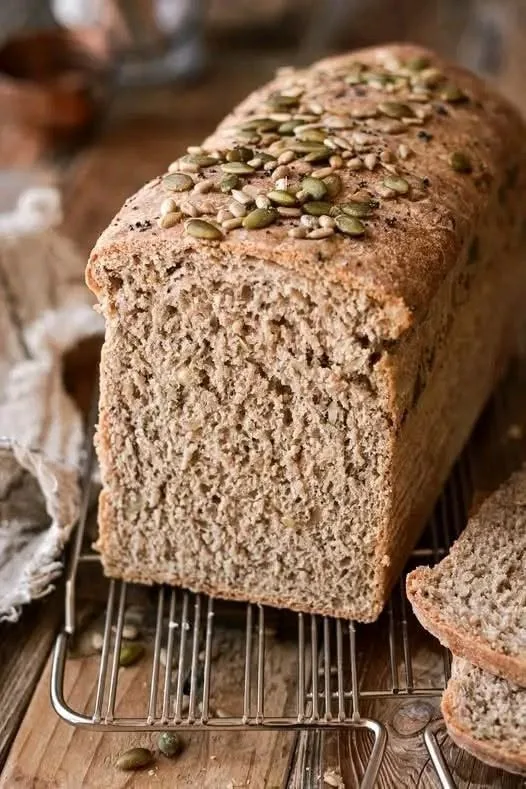
Homemade whole wheat sandwich bread offers a wholesome flavor, a tender crumb, and a lightly nutty taste that makes everyday sandwiches extra satisfying. This recipe uses whole wheat flour for a hearty texture and fiber, with optional protein-rich ingredients to make each slice more nourishing. It is a practical choice for breakfast toast, lunch sandwiches, and meal prep, especially when you want to control the ingredients in your homemade bread.
Important: Whole wheat bread is not zero-carb because whole wheat flour contains carbohydrates. If you’re looking for diabetic-friendly bread, portion size, fiber content, and the total carbohydrate count are important considerations.
Can This Whole Wheat Sandwich Bread Support Weight Loss Goals?
This bread can fit into a balanced eating plan when enjoyed in portions that suit your needs. Whole wheat flour provides fiber, which contributes to digestive health, while adding Greek yogurt or egg whites can increase the protein content. Pairing a slice with eggs, cottage cheese, or another protein-rich filling can create a more satisfying meal. Weight management depends on overall eating patterns and portion sizes, rather than any single food.
Does This Recipe Fit a High-Protein Lifestyle?
Traditional whole wheat sandwich bread provides some protein, but it is not automatically a high-protein food. Whole wheat flour contributes fiber and carbohydrates, while Greek yogurt and egg whites can increase the protein content. The net carbs depend on the quantities of flour and fiber-containing ingredients used. This recipe is not keto-friendly or zero-carb, but it can fit a balanced, protein-conscious eating plan. For diabetes-friendly meal planning, check the carbohydrate content per slice and follow your healthcare professional’s dietary advice.
Why This Recipe Is Special
- Whole grain goodness: Whole wheat flour provides a hearty flavor and more fiber than refined white flour.
- Customizable protein: Greek yogurt and egg whites can boost protein without relying on excessive added fats.
- Everyday versatility: Use it for sandwiches, toast, or simple breakfast meals.
- Homemade ingredient control: Adjust salt and avoid unnecessary added sugar.
- Meal-prep friendly: Bake a loaf, slice it, and freeze portions for convenient meals.
My Personal Experience
– A hearty, wholesome flavor: Whole wheat flour gives this bread a mild nutty taste that works well with both sweet and savory toppings. It is especially enjoyable with eggs, fresh vegetables, or a thin layer of peanut butter.
– A soft sandwich texture: Allowing the loaf to cool fully helps the crumb set before slicing. Adding Greek yogurt can contribute moisture, making the bread less dry.
– Easy breakfast preparation: Pre-slicing the loaf makes busy mornings simpler. Individual slices can be toasted straight from frozen when needed.
– Versatile for everyday meals: The bread works for sandwiches, toast, and simple open-faced lunches. Pairing it with protein-rich fillings can make a more balanced meal.
– Useful for portion planning: Cutting the loaf into equal slices makes it easier to estimate carbohydrates per serving. Weighing the finished loaf and recording the number of slices improves the accuracy of nutrition calculations.
Perfect For
- Breakfast toast with eggs or cottage cheese.
- Homemade lunch sandwiches.
- Weekly meal preparation.
- Whole-grain eating plans.
- Protein-conscious meals when paired with suitable fillings.
- People monitoring carbohydrate portions as part of diabetes management.
Why You’ll Love This Recipe
– Made with familiar ingredients: Whole wheat flour, yogurt, eggs, and basic pantry staples create a practical homemade loaf. You can control the ingredients instead of relying on packaged bread.
– A satisfying texture: The bread has a tender center and a lightly browned crust. Toasting adds crispness without requiring extra oil.
– Easy to customize: Add seeds or dried herbs for extra flavor and texture. Remember that seeds also change the calorie and fat content.
– Convenient for meal prep: Slice the loaf after cooling and store individual portions. This helps reduce waste and makes serving sizes more consistent.
– Suitable for sweet or savory toppings: Enjoy it with eggs, cheese, or avocado, or use a modest portion of your preferred spread. Your choice of topping can change the overall protein, carbohydrate, and calorie content.
Common Mistakes to Avoid
- Using too much flour: Excess flour can make the loaf dense and dry; measure accurately rather than packing flour tightly into a cup.
- Overmixing the batter: Excessive mixing can affect the texture, especially if you use a baking-powder-based recipe.
- Slicing while hot: Fresh bread needs time to cool or it may become gummy and crumble when cut.
- Assuming whole wheat means low-carb: Whole wheat flour contains substantial carbohydrates, so calculate the total carbs per slice rather than relying on the flour type alone.
Required Equipment
- Mixing bowl — Provides space to combine the ingredients evenly.
- Measuring cups and kitchen scale — Help maintain consistent ingredient quantities and nutrition estimates.
- Whisk — Blends the wet ingredients smoothly.
- Rubber spatula — Helps incorporate the flour without excessive mixing.
- Loaf pan (approximately 8 × 4 inches) — Gives the bread a consistent shape for even baking.
- Parchment paper — Makes removing the loaf easier and reduces sticking.
- Wire cooling rack — Allows steam to escape so the bottom does not become soggy.
Storage Instructions
- Room temperature: Once completely cool, store the bread in a clean, airtight container for up to 2 days in a cool environment.
- Refrigerator: Store in a sealed container or bread bag for approximately 5–7 days. Refrigeration may make the bread dry more quickly.
- Freezer: Slice the loaf and place parchment between slices before storing in a freezer-safe bag for up to 2–3 months for best quality.
- Reheating: Toast slices directly from frozen or warm them briefly in a toaster.
- Food safety: Allow the loaf to cool before sealing to prevent condensation. Discard bread showing mold or an unusual smell; do not simply cut mold away.
Recipe Details
- Preparation Time: 15 minutes
- Cooking Time: 30–40 minutes
- Total Time: Approximately 50–60 minutes
- Servings: 12 slices
- Best Season: All-season
- Calories per Slice: Approximately 100–120 calories, depending on ingredient quantities and slice size
Short 3-Line Description
This homemade whole wheat sandwich bread has a soft interior, lightly nutty flavor, and a pleasantly golden crust. Greek yogurt and egg whites add moisture and extra protein to a wholesome everyday loaf. Slice it for breakfast toast, sandwiches, and convenient meal prep throughout the week.
📝 Ingredients
Makes 1 small loaf · Approximately 12 slices
- 2 cups (240 g) whole wheat flour
- ¾ cup (180 g) plain nonfat Greek yogurt
- 2 large eggs
- 2 teaspoons baking powder
- ¼ teaspoon salt
- 1 teaspoon apple cider vinegar
- 1–3 tablespoons (15–45 ml) water, as needed
- 1 tablespoon mixed seeds, optional
Ingredient notes: This is a quick-bread version that uses baking powder rather than yeast, so it does not require proofing. Greek yogurt adds moisture and protein, while whole wheat flour supplies most of the carbohydrates. The optional seeds add texture but also contribute calories and fat.
Directions
1. Preheat the oven — 5–10 minutes. Heat the oven to 350°F (175°C). Line an 8 × 4-inch loaf pan with parchment paper or lightly grease it.
2. Combine the dry ingredients — 1 minute. In a mixing bowl, whisk the whole wheat flour, baking powder, and salt until evenly distributed.
3. Mix the wet ingredients — 2 minutes. In a separate bowl, whisk the Greek yogurt, eggs, and apple cider vinegar until smooth.
4. Make the batter — 2–3 minutes. Add the wet mixture to the dry ingredients and stir with a spatula until no dry flour remains. Add water gradually if needed. The mixture should be thick and moist rather than runny.
5. Fill the loaf pan — 2 minutes. Transfer the batter to the prepared pan and smooth the top. Sprinkle the optional seeds evenly over the surface.
6. Bake — 30–40 minutes. Bake at 350°F (175°C) until the loaf is golden on top and a toothpick inserted in the center comes out without wet batter. If the top browns too quickly, loosely cover it with foil for the remaining baking time.
7. Cool before slicing — 20–30 minutes. Let the loaf rest in the pan for about 10 minutes, then transfer it to a wire rack. Wait until it is fully cool before slicing for the cleanest texture.
High-protein tip: For a higher-protein loaf, you can experiment with a small amount of unflavored protein powder, but it may make the bread drier. Adjust the moisture gradually and recalculate the nutrition facts after changing the ingredients.
Nutrition Facts (Per Slice – Approximate)
Illustrative estimates for 12 slices. Actual values vary with flour brands, yogurt, egg size, and the final loaf weight.
| Nutrient | Approximate amount |
|---|---|
| Calories | 115 kcal |
| Fat | 2.5 g |
| Cholesterol | 31 mg |
| Sodium | 190 mg |
| Potassium | 140 mg |
| Total Carbohydrates | 17 g |
| Fiber | 2.5 g |
| Net Carbs | 14.5 g |
| Sugars | 1.5 g |
| Protein | 6 g |
| Calcium | 45 mg |
These are estimates rather than laboratory-verified values. The total carbohydrate content will be higher if slices are large or additional ingredients are used. For diabetes management, use the actual label-based carbohydrate count and follow your individualized meal plan.
Notes
- Storage: Slice only after the loaf has cooled completely, then freeze any bread you will not use within a couple of days.
- Reheating: Toast a slice lightly for a crisp exterior and soft center.
- Allergy notes: This recipe contains wheat, eggs, and dairy. Use suitable substitutions only if you have a compatible alternative recipe.
- Flavor boosts: Add dried rosemary, garlic powder, or a small amount of cinnamon depending on whether you prefer savory or lightly sweet bread.
- Diabetes-friendly tip: Whole wheat bread is not carbohydrate-free. Pair a measured slice with protein and vegetables, and account for its carbohydrates within your meal plan.
- Texture tip: Quick bread will generally be denser than traditional yeast bread, so avoid expecting the same stretchy, airy crumb as a bakery sandwich loaf.
Frequently Asked Questions
1. Is whole wheat sandwich bread zero-carb?
No, whole wheat flour contains carbohydrates, and the amount per slice depends on the recipe and slice size.
2. Is this bread diabetic-friendly?
It may fit some diabetes meal plans in measured portions, but its carbohydrate content should be counted and individual advice followed.
3. Is this a high-protein bread?
It provides some protein from whole wheat flour, eggs, and Greek yogurt, but it may not qualify as high-protein compared with specially formulated protein breads.
4. Can I make this bread without eggs?
Egg substitutes may work, but they can change the structure, moisture, and texture, so a tested egg-free recipe is preferable.
5. Can I use all-purpose flour instead of whole wheat flour?
Yes, but the bread will have a lighter texture and different fiber and nutritional values.
6. Can I freeze homemade whole wheat bread?
Yes, slice it first, separate the slices with parchment, and freeze in an airtight bag for up to 2–3 months for best quality.