Description
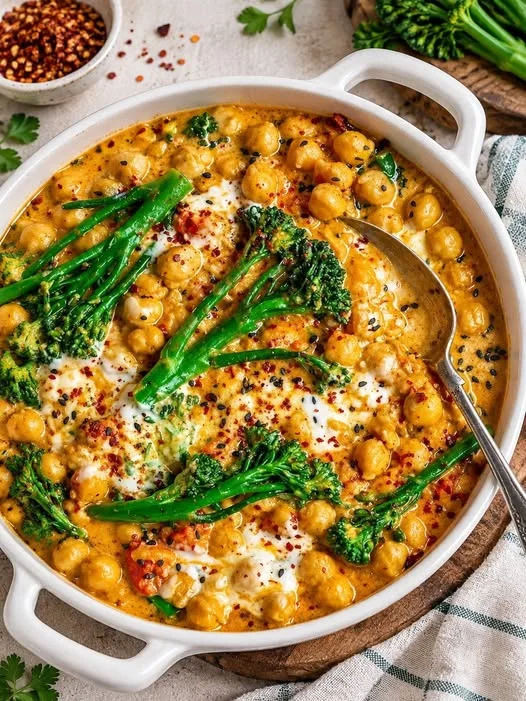
This Vegan Chickpea Curry is a warm, comforting, and flavor-packed meal that proves delicious plant-based cooking doesn’t need to be complicated. Tender chickpeas simmer in a rich tomato-based sauce infused with garlic, ginger, aromatic spices, and creamy coconut milk, creating a satisfying curry with a velvety texture and just the right balance of savory, tangy, and mildly spicy flavors. It’s an excellent beginner-friendly vegan dinner made with simple pantry ingredients and minimal preparation. Chickpeas provide plant-based protein and fiber, making this curry a filling choice for anyone seeking a nutritious meal. While chickpeas contain carbohydrates, this recipe can fit a balanced eating pattern and can be made more protein-rich by adding tofu or serving it with a protein-rich side.
Can This Vegan Chickpea Curry Support Weight Loss Goals?
Vegan Chickpea Curry can fit into a balanced eating pattern because chickpeas provide plant-based protein and fiber, which can help make a meal satisfying. The tomatoes, onions, and spices add flavor without requiring heavy sauces, while the chickpeas create a hearty texture that makes the dish feel substantial. To keep portions aligned with your needs, measure the coconut milk and cooking oil, as both contribute calories. Pairing the curry with non-starchy vegetables can add volume and variety. No single recipe guarantees weight loss, but this flavorful, fiber-rich meal can be part of a flexible eating plan.
Does Vegan Chickpea Curry Fit a High-Protein Lifestyle?
Chickpeas provide plant-based protein, fiber, iron, and other nutrients, making them a useful ingredient in vegan meals.
However, they also contain carbohydrates, so this curry is not naturally keto-friendly or very low-carb.
A serving of the recipe below provides approximately 12–14 grams of protein, with around 28–32 grams of net carbohydrates depending on the ingredients used.
For a higher-protein vegan version, add firm tofu or serve the curry with a side of edamame.
The result is a comforting, plant-based dinner that can fit a high-protein lifestyle with a few simple adjustments.
Why This Recipe Is Special
- Beginner-friendly: Straightforward steps make this curry approachable even if you’re new to cooking vegan meals.
- Plant-based protein: Chickpeas contribute protein and fiber in every serving.
- Rich and comforting: Coconut milk, tomatoes, and warming spices create a creamy, flavorful sauce.
- Budget-conscious: Canned chickpeas and common pantry seasonings help keep preparation simple and affordable.
- Easy to customize: Adjust the spice level, add vegetables, or include tofu for extra protein.
My Personal Experience
These points describe the recipe’s expected qualities rather than claiming personal kitchen testing.
- The sauce develops a deep, comforting flavor.
Cooking the onion, garlic, ginger, and spices before adding the tomatoes helps build a fragrant curry base. - Chickpeas give the curry a satisfying texture.
They hold their shape while simmering and absorb the flavors of the sauce without becoming difficult to cook. - The recipe is convenient for busy evenings.
Using canned chickpeas reduces preparation time and makes this an easy meal for beginner cooks. - The spice level is easy to adjust.
You can add chili flakes for extra heat or use less chili for a milder family-friendly version. - Leftovers are useful for meal planning.
The sauce often tastes even more developed after resting overnight, making the curry a practical make-ahead meal.
Perfect For
- Weeknight dinners: A simple one-pan meal when you want something flavorful without complicated preparation.
- Beginner cooks: An easy way to practice sautéing aromatics and building flavor with spices.
- Vegan meal planning: A satisfying plant-based main dish made without meat, dairy, or eggs.
- Lunch meal prep: Portion leftovers into containers for convenient lunches throughout the week.
- Cool evenings: The warming spices and creamy sauce make it especially comforting in cooler weather.
- Budget-friendly cooking: Canned chickpeas, tomatoes, and pantry spices make a practical meal for households watching grocery costs.
- Higher-protein vegan meals: Add tofu or serve with edamame when you want to increase the protein content.
Why You’ll Love This Recipe
- Simple ingredients, big flavor:
Chickpeas, tomatoes, coconut milk, and aromatic spices combine into a delicious curry.
You don’t need restaurant equipment or advanced cooking skills to prepare it. - Creamy without dairy:
Coconut milk gives the sauce a smooth texture while keeping the recipe completely vegan.
Use light coconut milk if you prefer a less rich sauce. - A useful source of plant protein:
Chickpeas contribute protein and fiber to help make the meal satisfying.
Add tofu or edamame if you’d like to increase the protein per serving. - Easy to adapt to your taste:
Adjust the cumin, curry powder, chili, and lemon juice to create your preferred flavor balance.
You can also add spinach, peas, or diced bell peppers. - Excellent for leftovers:
The curry reheats well and is easy to divide into individual portions.
Store it properly in the refrigerator or freezer for convenient future meals.
Common Mistakes to Avoid
- Adding spices too late: Briefly cooking the curry powder, cumin, and turmeric with the aromatics helps release their flavor before adding liquid.
- Using too much coconut milk: Excess coconut milk can make the sauce overly rich and soften the tomato flavor; measure it carefully and adjust the consistency with water or vegetable broth.
- Skipping the simmer: Allowing the curry to simmer for 10–15 minutes helps the chickpeas absorb the seasoning and brings the sauce together.
- Not tasting before serving: Chickpeas need adequate seasoning, so adjust salt, lemon juice, and chili at the end to balance the flavors.
Required Equipment
- Large saucepan or deep skillet — Provides enough room for the chickpeas and sauce to simmer evenly.
- Cutting board and sharp knife — Make chopping the onion, garlic, ginger, and optional vegetables easier.
- Measuring cups and spoons — Help maintain consistent quantities of spices and coconut milk.
- Wooden spoon or heat-safe spatula — Allows you to stir the curry without damaging the pan.
- Can opener — Makes opening canned chickpeas and tomatoes straightforward.
- Colander or strainer — Helps drain and rinse canned chickpeas before cooking.
Storage Instructions
- Refrigerator: Cool the curry promptly and place it in a shallow, airtight food-safe container. Refrigerate within 2 hours of cooking and use within 3–4 days, keeping the refrigerator at 40°F (4°C) or below.
- Freezer: Divide cooled curry into individual freezer-safe containers, leaving a little room for expansion. Freeze for up to 2–3 months for best quality.
- Thawing: Defrost frozen portions in the refrigerator overnight or use a microwave’s defrost setting if reheating immediately.
- Reheating: Warm on the stovetop over medium-low heat, stirring occasionally, until steaming hot throughout; add a splash of water or vegetable broth if the sauce has thickened. Reheat leftovers to 165°F (74°C).
- Keeping it protein-friendly: Store the curry separately from rice or other sides so you can adjust portions and add tofu or edamame when serving.
- Texture tip: Coconut milk may separate slightly after freezing; stir well during reheating to bring the sauce back together.
Recipe Details
- Preparation Time: 10 minutes
- Cooking Time: 25 minutes
- Total Time: 35 minutes
- Servings: 4
- Best Season for This Recipe: All-season, especially autumn and winter
- Total Calories (Per Serving): Approximately 300–350 calories, depending on the coconut milk and oil used
Short 3-Line Description
This Vegan Chickpea Curry combines tender chickpeas with tomatoes, coconut milk, garlic, ginger, and warming spices.
It’s a quick, beginner-friendly plant-based dinner with fiber and satisfying plant protein.
Serve with vegetables or add tofu for an even more protein-rich vegan meal.
📝 Ingredients
Main Ingredients
- 2 cans chickpeas, 15 oz (425 g) each, drained and rinsed
- 1 tablespoon olive oil
- 1 medium onion, finely chopped (about 1 cup)
- 3 garlic cloves, minced
- 1 tablespoon fresh ginger, grated
- 1 can crushed tomatoes, 14.5 oz (411 g)
- ½ cup (120 ml) light or regular coconut milk
- ½ cup (120 ml) water or vegetable broth, plus more as needed
- 2 cups fresh baby spinach, optional
- 1 tablespoon fresh lemon juice
Spices and Seasonings
- 2 teaspoons curry powder
- 1 teaspoon ground cumin
- ½ teaspoon ground turmeric
- ½ teaspoon paprika
- ¼ teaspoon chili flakes, optional
- ½ teaspoon salt, or to taste
- ¼ teaspoon black pepper
Optional Protein Boost
- 7 oz (200 g) firm tofu, pressed and cubed, or
- 1 cup shelled edamame, cooked according to package instructions
Ingredient notes:
- Rinsing canned chickpeas helps remove some of the canning liquid and excess sodium.
- Use light coconut milk for a lighter sauce or regular coconut milk for a richer, creamier result.
- Check the curry powder and vegetable broth labels if you need to avoid particular allergens.
- The tofu and edamame are optional and will change the nutrition values.
Directions
- Prepare the ingredients.
Drain and rinse the chickpeas. Chop the onion, mince the garlic, grate the ginger, and measure the spices before you begin cooking. - Sauté the onion.
Heat the olive oil in a large saucepan over medium heat. Add the chopped onion and cook for 4–5 minutes, stirring occasionally, until softened and translucent. - Add garlic and ginger.
Stir in the garlic and ginger and cook for 30–60 seconds, until fragrant. Keep the heat moderate so the garlic does not burn. - Toast the spices.
Add the curry powder, cumin, turmeric, paprika, chili flakes, salt, and black pepper. Stir for 30 seconds to release the aromas and coat the onion mixture evenly. - Add the tomatoes and chickpeas.
Pour in the crushed tomatoes, rinsed chickpeas, and water or vegetable broth. Stir well, scraping the bottom of the pan to incorporate the spices into the sauce. - Simmer the curry.
Bring the mixture to a gentle bubble, then reduce the heat to medium-low. Simmer uncovered for 10–15 minutes, stirring occasionally. The sauce should thicken slightly, and the chickpeas should be tender and well coated. - Stir in the coconut milk.
Add the coconut milk and simmer gently for another 3–5 minutes. Avoid a vigorous boil, which can make the sauce look separated. If it becomes too thick, add a little water or broth. - Add optional vegetables or protein.
Stir in the spinach and cook for 1–2 minutes, until wilted. If using cubed firm tofu or cooked edamame, add it during the final few minutes to heat through without breaking it apart. - Finish with lemon juice.
Turn off the heat and stir in the lemon juice. Taste the curry and adjust the salt, pepper, or chili as needed. The finished sauce should be creamy, aromatic, and thick enough to coat the chickpeas. - Serve and enjoy.
Divide into four portions and serve on its own, with a side of vegetables, or with a modest portion of rice or whole-grain flatbread. For a higher-protein vegan plate, serve with tofu or edamame.
Nutrition Facts (Per Serving – Approximate)
Estimated for one-quarter of the base recipe, using two cans of chickpeas, light coconut milk, and the listed olive oil. Values will vary with brands and drained chickpea weight.
- Calories: 320 kcal
- Fats: 10 g
- Cholesterol: 0 mg
- Sodium: 550 mg
- Potassium: 650 mg
- Total Carbohydrates: 44 g
- Fiber: 11 g
- Net Carbs: 33 g
- Sugars: 8 g
- Protein: 13 g
- Calcium: 85 mg
These are estimates, not laboratory-tested values. The optional tofu or edamame will increase protein and change the calorie and nutrient totals. Chickpeas are nutritious but carbohydrate-rich, so this recipe is not a strict keto meal.
Notes
- Storage: Refrigerate leftovers within 2 hours and use within 3–4 days, or freeze in individual portions for up to 2–3 months for best quality.
- Reheating: Warm gently on the stovetop or in the microwave until steaming hot throughout; stir and add a little water if needed.
- Allergy notes: This recipe is naturally vegan and dairy-free when prepared as written, but coconut is a tree nut under some food-labeling regulations, and packaged ingredients may have cross-contact warnings.
- Flavor boosts: Add fresh cilantro, extra lemon juice, garam masala, or a little freshly grated ginger just before serving.
- For a richer sauce: Use regular coconut milk instead of light coconut milk, knowing that the calories and fat will increase.
- For more protein: Add firm tofu, edamame, or a side of unsweetened soy yogurt.
- For extra vegetables: Stir in chopped bell pepper with the onion or add cauliflower florets during the simmering stage.
- For meal prep: Keep rice or flatbread in a separate container to help maintain the curry’s texture.
Frequently Asked Questions
1. Is Vegan Chickpea Curry high in protein?
It provides approximately 13 grams of protein per serving in this version, and adding tofu or edamame can increase that amount.
2. Is chickpea curry low-carb or keto-friendly?
Chickpeas contain substantial carbohydrates, so this recipe is not suitable for strict keto diets, although it can fit some balanced or moderate-carbohydrate eating patterns.
3. Can I use dried chickpeas instead of canned chickpeas?
Yes, but soak and cook dried chickpeas separately until tender before adding them to the curry.
4. Can I make this curry without coconut milk?
Yes, replace it with an unsweetened plant-based cream or additional vegetable broth, though the sauce will be less creamy.
5. Can I make Vegan Chickpea Curry ahead of time?
Yes, prepare it up to 3–4 days in advance, refrigerate promptly, and reheat thoroughly before serving.
6. What should I serve with chickpea curry?
Try steamed rice, whole-grain flatbread, cauliflower rice, or roasted vegetables, choosing the side that best suits your preferences.