Description
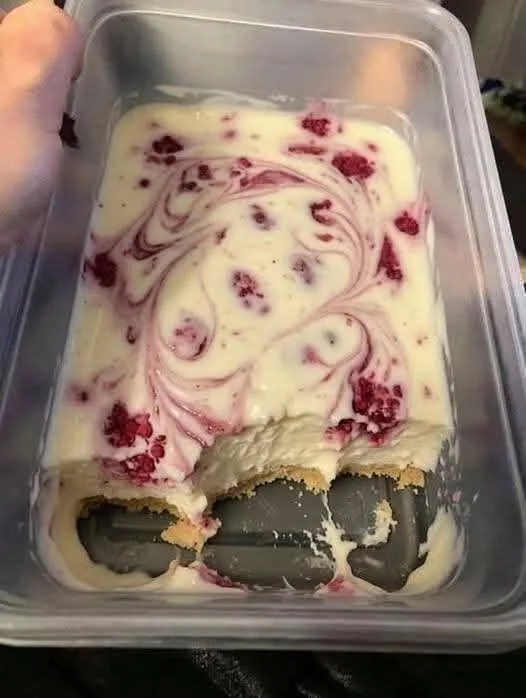
Creamy, tangy, fruity, and wonderfully satisfying, this High-Protein Raspberry Cheesecake is a delicious way to enjoy a homemade dessert with a protein boost. Smooth Greek yogurt and cream cheese create a rich, cheesecake-like texture, while juicy raspberries add a bright berry flavor that balances the creamy filling. With no traditional flour crust, this recipe is simple to prepare and can be adapted to suit lower-carbohydrate preferences.
If you are looking for a high-protein dessert that feels special without complicated baking, this raspberry cheesecake is a lovely option. It uses everyday ingredients, has a naturally fruity flavor, and can be prepared ahead for a chilled treat. However, it is not automatically zero-carb: raspberries and dairy products contain carbohydrates, and the exact amount depends on the ingredients and sweetener used. It can be made lower in carbohydrates, but the nutrition values should be calculated from the specific products you choose.
Can This High-Protein Raspberry Cheesecake Support Weight Loss Goals?
This cheesecake can fit into a balanced eating pattern because Greek yogurt and other dairy ingredients provide protein, which helps support normal body functions and can contribute to meal satisfaction. Choosing an appropriate portion and adjusting the added sweetener may help you tailor the dessert to your preferences. However, no single dessert guarantees weight loss, and this recipe is not a treatment for water retention. Temporary changes in water weight are different from changes in body fat, so there is no need to rely on foods that claim to flush water from the body.
Does High-Protein Raspberry Cheesecake Fit a High-Protein Lifestyle?
Greek yogurt and light cream cheese provide the main protein in this recipe, while raspberries contribute fiber and fruity flavor.
Depending on your chosen products and portion size, each serving may provide approximately 12–16 grams of protein.
The cheesecake is lower in carbohydrates than many desserts made with flour, a cookie crust, and regular sugar, but it is not carb-free.
For a lower-carb version, use an appropriate granulated sweetener and check the labels on the yogurt and cream cheese.
The exact net carbs and protein will vary by brand, so use the nutrition estimates as a guide rather than a guarantee.
Why This Recipe Is Special
- Protein-rich ingredients: Greek yogurt and cream cheese give the filling its creamy texture while contributing protein.
- Fresh raspberry flavor: The berries add natural tartness and a beautiful color.
- No flour crust: Skipping the traditional crust simplifies preparation and reduces the ingredients needed.
- Easy to customize: You can adjust the sweetness and use fresh or frozen raspberries.
- Make-ahead dessert: Chilling helps the cheesecake set and makes it convenient for serving later.
My Personal Experience
- The raspberry flavor balances the creamy filling.
The berries bring a gentle tartness that complements the smooth dairy ingredients. - Chilling helps create a better texture.
Allowing the cheesecake to rest in the refrigerator makes the filling firmer and easier to slice. - A little vanilla adds warmth.
Vanilla extract rounds out the tanginess of the yogurt and cream cheese without overpowering the fruit. - The crust-free method keeps preparation simple.
Mixing the filling directly in one bowl saves time and avoids the extra step of preparing a flour-based crust.
These points describe the recipe’s expected results rather than claiming personal kitchen testing.
Perfect For
- Everyday desserts: Enjoy a slice after lunch or dinner.
- Meal prep: Divide the chilled cheesecake into portions for convenient desserts throughout the week.
- Summer gatherings: Raspberries make this a colorful choice for warm-weather celebrations.
- High-protein meal plans: Use it as a protein-containing dessert alongside a varied eating pattern.
- Low-carb dessert menus: Adapt the sweetener and dairy ingredients to reduce carbohydrates.
- Special occasions: Decorate the top with fresh raspberries for an attractive homemade cheesecake.
Why You’ll Love This Recipe
- Creamy and tangy:
Greek yogurt and cream cheese create a smooth, rich filling.
Raspberries brighten the flavor with a fresh, slightly tart finish. - A protein boost in dessert form:
Greek yogurt contributes protein without needing flour or a traditional crust.
The final protein content depends on the products you use. - Simple ingredients:
The recipe relies on yogurt, cream cheese, eggs, raspberries, and a few flavorings.
Most of the preparation involves mixing and letting the cheesecake set. - Easy to personalize:
Adjust the sweetener or add lemon zest for a brighter flavor.
You can also swirl a small amount of mashed raspberries through the filling. - Convenient to prepare ahead:
The cheesecake needs chilling time, so you can make it before serving day.
Its texture is usually best after several hours in the refrigerator.
Common Mistakes to Avoid
- Using watery yogurt: Excess liquid can make the filling soft and prevent it from setting properly; use thick Greek yogurt and drain it if necessary.
- Overmixing after adding the eggs: Excessive mixing can incorporate too much air and contribute to cracks; mix just until combined.
- Cutting the cheesecake before it is chilled: The filling may seem too soft when warm; refrigerate it for at least 4 hours before slicing.
- Adding too many raspberries to the batter: Excess fruit moisture can affect the texture; measure the berries and reserve some for topping if desired.
Required Equipment
- Mixing bowl — Provides enough room to combine the filling smoothly.
- Electric hand mixer or whisk — Helps blend the cream cheese and yogurt without lumps.
- Measuring cups and spoons or a kitchen scale — Improve consistency and make nutrition estimates more reliable.
- Small saucepan or microwave-safe bowl — Makes it easy to soften the cream cheese gently if needed.
- 6-inch (15 cm) springform pan — Allows the chilled cheesecake to release cleanly from the sides.
- Parchment paper — Helps prevent sticking to the bottom of the pan.
- Spatula — Scrapes the bowl and smooths the filling evenly.
- Refrigerator-safe container — Keeps leftover slices covered and fresh.
Storage Instructions
Refrigerator: Once the cheesecake has cooled, cover it or place slices in an airtight container and refrigerate within 2 hours. Store at or below 40°F (4°C) and consume within 3–4 days. Keep the cheesecake covered to prevent it from absorbing other refrigerator odors.
Freezer: For longer storage, freeze individual slices on a lined tray until firm, then wrap each slice and transfer to a freezer-safe container. For best quality, use within 1–2 months. Thaw in the refrigerator before serving; the texture may become slightly softer after freezing.
Serving: This cheesecake is designed to be served chilled, so reheating is not recommended. Let a slice stand at room temperature for around 5–10 minutes if you prefer a softer texture, and do not leave it unrefrigerated for extended periods.
High-protein-friendly tip: Greek yogurt helps provide protein, but storage does not preserve every quality indefinitely. Keep the cheesecake properly chilled and follow the recommended storage times.
Recipe Details
- Preparation Time: 15 minutes
- Cooking Time: 30–35 minutes
- Cooling and Chilling Time: At least 4 hours
- Total Time: Approximately 4 hours 50 minutes
- Servings: 6 slices
- Best Season for This Recipe: Spring and summer, though frozen raspberries make it suitable year-round
- Total Calories Per Serving: Approximately 170–210 calories, depending on the cream cheese, yogurt, and sweetener used
Short 3-Line Description
This High-Protein Raspberry Cheesecake combines a creamy Greek yogurt filling with bright, tangy raspberries.
The simple crust-free recipe makes a delicious chilled dessert with no traditional flour crust.
Enjoy a protein-containing sweet treat with an easy lower-carb adaptation option.
📝 Ingredients
For the Cheesecake
- 1 cup (225 g) plain Greek yogurt, preferably thick
- 8 oz (225 g) cream cheese, softened
- 2 large eggs, at room temperature
- ½ cup (60 g) granulated erythritol or another baking-compatible sweetener, adjusted to taste
- 1 teaspoon vanilla extract
- 1 teaspoon lemon zest, optional
- 1 tablespoon fresh lemon juice
- ¾ cup (90 g) fresh or frozen raspberries
- 1 teaspoon cornstarch, optional, to help stabilize the filling
Optional Raspberry Topping
- ¼ cup (30 g) fresh raspberries
- 1 teaspoon lemon juice
Ingredient notes: Use plain, unsweetened Greek yogurt. If you use regular sugar instead of a non-sugar sweetener, the carbohydrate and calorie totals will increase. Frozen raspberries can be used directly, but thaw and drain them first if they release a lot of liquid. Cornstarch adds carbohydrates and can be omitted if preferred.
Directions
Step 1: Prepare the Pan and Oven
Preheat the oven to 325°F (160°C). Line the bottom of a 6-inch springform pan with parchment paper and lightly grease the sides.
Allow the oven to reach the target temperature before baking. A moderate temperature helps the cheesecake cook more gently and reduces the chance of an overcooked edge.
Step 2: Soften and Mix the Cream Cheese
Place the softened cream cheese in a mixing bowl. Beat with an electric mixer on low to medium speed for 1–2 minutes, until smooth.
Scrape down the sides of the bowl. The cream cheese should have no large lumps before the yogurt is added.
Step 3: Add the Yogurt and Flavorings
Add the Greek yogurt, sweetener, vanilla extract, lemon zest, and lemon juice. Mix on low speed for about 30–60 seconds, until combined.
The filling should look smooth and creamy. Avoid vigorous mixing, which can introduce excess air.
Step 4: Add the Eggs
Add the eggs one at a time, mixing on low speed after each addition until just incorporated. If using cornstarch, sift it in and mix briefly until no dry pockets remain.
The batter should be pourable but thick enough to coat a spoon. Do not continue beating once the mixture is uniform.
Step 5: Fold in the Raspberries
Gently fold in the ¾ cup of raspberries with a spatula. If you want a marbled appearance, reserve a few berries, mash them lightly, and swirl them through the batter.
Avoid overmixing the fruit, as this can turn the entire filling pink and release excess moisture.
Step 6: Fill the Pan
Pour the mixture into the prepared springform pan. Smooth the top with a spatula and tap the pan lightly on the counter to release large air bubbles.
The filling should sit evenly in the pan. If using frozen raspberries, make sure excess thawing liquid has been drained before adding them.
Step 7: Bake the Cheesecake
Bake at 325°F (160°C) for 30–35 minutes. Begin checking near the 30-minute mark.
The edges should look set while the center retains a slight wobble when the pan is gently moved. Avoid baking until the entire center is completely firm, as it will continue to set while cooling.
Step 8: Cool Gradually
Turn off the oven and leave the cheesecake inside with the door slightly open for about 10 minutes. Transfer the pan to a heat-safe surface and cool at room temperature for around 30–45 minutes.
Gradual cooling can help reduce sudden temperature changes. Do not cover the cheesecake while it is still hot, because trapped condensation can make the top wet.
Step 9: Chill Until Firm
Cover the cooled cheesecake and refrigerate for at least 4 hours, preferably overnight.
The filling should feel firm enough to slice neatly. Chilling is essential for the final texture, so avoid cutting it while it is still warm.
Step 10: Prepare the Optional Topping
For a quick topping, gently mash the extra raspberries with 1 teaspoon of lemon juice. Spoon the mixture over the chilled cheesecake just before serving.
For a smoother topping, warm the berries in a small saucepan over low heat for 2–3 minutes, then cool completely before adding. Do not pour warm topping onto the chilled cheesecake.
Step 11: Slice and Serve
Run a thin knife around the edge of the pan, release the springform sides, and cut the cheesecake into 6 portions with a clean knife.
Wipe the knife between slices for cleaner edges. Serve chilled and return any leftovers to the refrigerator promptly.
Nutrition Facts (Per Serving – Approximate)
Estimated for 1 of 6 servings, using Greek yogurt, regular cream cheese, eggs, raspberries, and a non-sugar sweetener. Actual values depend on the products used and whether optional ingredients are included.
- Calories: 190 kcal
- Fats: 13 g
- Cholesterol: 95 mg
- Sodium: 190 mg
- Potassium: 180 mg
- Total Carbohydrates: 8 g
- Fiber: 2 g
- Net Carbs: 6 g
- Sugars: 3 g
- Protein: 12 g
- Calcium: 100 mg
These are approximate estimates, not laboratory-tested values. Check your product labels for the most accurate figures. Using regular sugar, different dairy products, or additional toppings will change the nutrition information.
Notes
- Storage: Refrigerate the cheesecake promptly in an airtight container and consume within 3–4 days.
- Freezing: Freeze individual slices well wrapped, then thaw them in the refrigerator.
- Reheating: This cheesecake is best served chilled; reheating is not recommended.
- Allergy notes: Contains milk and eggs. Check sweetener and dairy-product labels for additional ingredients or potential cross-contact.
- Flavor boosts: Add lemon zest, a little almond extract, or a pinch of cinnamon for a different flavor profile.
- Lower-carb option: Use a suitable non-sugar sweetener and check the carbohydrate content of your yogurt and cream cheese.
- Texture tip: Thick Greek yogurt generally gives a firmer filling than thin regular yogurt.
- Protein tip: Use a Greek yogurt with a higher protein content, and calculate the final nutrition from the specific brand.
- Important nutrition note: This cheesecake is not zero-carb, and its carbohydrate content depends on the ingredients. It also does not specifically flush out water weight; normal fluid balance is regulated by the body.
Frequently Asked Questions
1. Is this raspberry cheesecake really zero-carb?
No, raspberries, dairy products, and eggs contribute some carbohydrates, so the recipe is not completely carb-free.
2. Can I make this cheesecake without flour?
Yes, this recipe has no traditional flour crust and uses a simple cheesecake filling.
3. Can I use frozen raspberries?
Yes, thaw and drain them first if they release excess liquid, or use them frozen in small amounts and expect a little extra moisture.
4. How do I make the cheesecake higher in protein?
Choose a Greek yogurt with a higher protein content and calculate the final nutrition using the labels of your ingredients.
5. Why is my cheesecake soft in the middle?
It may need more chilling time, or it may be slightly underbaked, so check for set edges and a gentle center wobble before cooling.
6. Can I prepare it the day before serving?
Yes, preparing it the previous day gives the cheesecake enough time to chill and develop a firmer texture.