Description
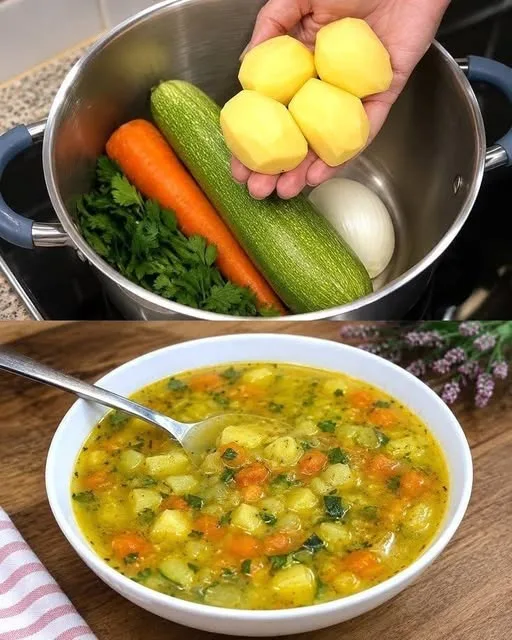
Warm, comforting, and full of colorful vegetables, this homemade Vegetable Soup is a simple way to enjoy a nourishing bowl of goodness. Tender zucchini, carrots, celery, cabbage, tomatoes, and aromatic herbs simmer together in a savory broth, creating a light soup with a delicious balance of sweetness, freshness, and earthy flavor. Every spoonful offers a satisfying mix of soft vegetables and flavorful broth, making it a wonderful choice for lunch, dinner, or a cozy snack.
This easy vegetable soup can fit into a balanced, low-calorie eating pattern and can be adapted for a low-carb lifestyle by adjusting the vegetables. While the basic recipe is naturally low in protein, adding beans, lentils, tofu, or shredded chicken can turn it into a more filling, high-protein vegetable soup. It is easy to prepare in one pot, simple to customize, and convenient for meal prep throughout the week.
Although vegetable soup can be comforting and hydrating, it should not be considered a medicine or a cure for stomach problems. If digestive symptoms are persistent or severe, seek advice from a qualified healthcare professional.
Can This Vegetable Soup Support Weight Loss Goals?
Vegetable soup can be a useful part of balanced meals because vegetables provide volume, water, and fiber while the broth-based preparation can keep calories relatively modest. Adding a protein source such as tofu, beans, lentils, or chicken may help make the soup more satisfying and support a balanced eating pattern. The soup itself does not cause weight loss, and its nutritional value depends on the ingredients and portion size. Enjoy it as part of varied meals rather than relying on soup alone for nourishment.
Does Vegetable Soup Fit a High-Protein Lifestyle?
The basic recipe uses zucchini, carrots, celery, cabbage, tomatoes, broth, and herbs, so it provides vegetables and fiber but only a modest amount of protein.
Depending on the exact vegetables and serving size, it contains approximately 8–10 grams of net carbohydrates per serving.
For a higher-protein version, add firm tofu, cooked chicken, or beans according to your preferences.
To keep the soup lower in carbohydrates, use less carrot and add extra zucchini, cabbage, or leafy greens.
The protein and net-carb totals will vary according to your ingredient choices and portion sizes.
Why This Recipe Is Special
- Colorful vegetable goodness: A mix of fresh vegetables gives the soup a variety of flavors and textures.
- One-pot convenience: Everything simmers in one pot, making preparation and cleanup simple.
- Easy to customize: You can change the vegetables, herbs, and protein additions to suit your preferences.
- Light yet comforting: Warm broth and tender vegetables make this a cozy option for everyday meals.
- Meal-prep friendly: A batch can be refrigerated or frozen in portions for convenient future meals.
My Personal Experience
- The vegetables create a lovely balance of flavors.
Zucchini and cabbage soften as they cook, while tomatoes add a gentle tanginess to the broth. - The broth brings everything together.
Garlic, onion, and herbs create a savory base that helps the vegetables taste flavorful without needing heavy sauces. - The texture is easy to adjust.
A shorter simmer keeps the vegetables slightly firm, while a few extra minutes creates a softer, more comforting soup. - Protein additions make it more satisfying.
Adding tofu, chicken, or beans gives the soup a more substantial texture and makes it suitable for a fuller meal.
These points describe the recipe’s expected qualities rather than claiming personal kitchen testing.
Perfect For
- Weeknight dinners: Prepare a comforting meal using everyday vegetables and pantry staples.
- Lunch meal prep: Divide the cooled soup into containers for convenient lunches.
- Cold-weather meals: Serve a steaming bowl on chilly days.
- Light lunches: Enjoy it with whole-grain toast or a protein-rich side.
- Vegetarian and vegan meals: Use vegetable broth and add tofu or beans for a plant-based version.
- Low-carb meal plans: Adjust the vegetable mix and portion sizes to suit your preferred carbohydrate intake.
Why You’ll Love This Recipe
- Fresh and flavorful:
Tomatoes, garlic, and herbs create a savory broth that complements the vegetables.
A squeeze of lemon at the end can brighten the entire pot. - Easy to prepare:
Most of the work involves washing, chopping, and simmering the ingredients.
The soup requires no complicated cooking techniques. - Flexible ingredients:
You can use seasonal vegetables or substitute ingredients already available in your kitchen.
The recipe works with fresh or suitable frozen vegetables. - Simple to make more filling:
Tofu, beans, lentils, or cooked chicken can add protein and substance.
Choose additions that match your dietary preferences. - Convenient for leftovers:
The soup stores well in individual portions for later meals.
Add a splash of broth when reheating if it becomes too thick.
Common Mistakes to Avoid
- Cutting vegetables into very different sizes: Uneven pieces cook at different rates, so chop them into similar-sized pieces for a consistent texture.
- Adding every vegetable at the same time: Some vegetables soften faster than others, so add firmer vegetables first and zucchini or leafy greens later.
- Boiling the soup too vigorously: A hard boil can make delicate vegetables mushy; use a gentle simmer instead.
- Adding too much salt too early: Broth can already contain considerable sodium, so taste near the end and adjust gradually.
Required Equipment
- Large soup pot — Provides enough room for the vegetables and broth to simmer evenly.
- Sharp knife — Makes chopping vegetables easier and more consistent.
- Cutting board — Offers a stable surface for safe preparation.
- Measuring cups and spoons — Help maintain consistent ingredient proportions.
- Wooden spoon or heat-safe spatula — Allows you to stir the vegetables without damaging the pot.
- Ladle — Makes serving the finished soup easier and less messy.
- Airtight storage containers — Keep leftover portions covered in the refrigerator or freezer.
Storage Instructions
Refrigerator: Allow the soup to cool promptly, then transfer it to clean, airtight containers. Refrigerate within 2 hours of cooking and use within 3–4 days. For best quality, store protein additions such as chicken or tofu in the soup rather than leaving them at room temperature.
Freezer: Freeze the cooled soup in freezer-safe containers or individual portions, leaving a little space for expansion. For the best flavor and texture, use within 2–3 months. Vegetables may become softer after thawing, especially zucchini and cabbage.
Reheating: Reheat on the stovetop over medium heat, stirring occasionally, until steaming hot throughout. If using a microwave, cover loosely, stir halfway through, and ensure the soup is heated evenly.
High-protein-friendly tip: If you add chicken, tofu, beans, or lentils, divide the soup into evenly portioned containers so each serving includes a consistent amount of protein.
Recipe Details
- Preparation Time: 15 minutes
- Cooking Time: 25 minutes
- Total Time: 40 minutes
- Servings: 4
- Best Season for This Recipe: All-season
- Total Calories Per Serving: Approximately 100–130 calories for the basic soup, depending on the broth and vegetable quantities
Short 3-Line Description
Enjoy a warm bowl of homemade Vegetable Soup packed with tender vegetables and savory herbs.
This easy one-pot recipe is light, customizable, and perfect for everyday lunches or dinners.
Add tofu, beans, lentils, or chicken to make it a more protein-rich meal.
📝 Ingredients
- 1 tablespoon olive oil
- 1 medium onion, diced (about 1 cup)
- 2 cloves garlic, minced
- 2 medium carrots, sliced (about 1 cup)
- 2 celery stalks, sliced (about ¾ cup)
- 1 medium zucchini, diced (about 1½ cups)
- 2 cups chopped green cabbage
- 1 cup chopped tomatoes or canned diced tomatoes
- 6 cups (1.4 liters) low-sodium vegetable broth
- 1 teaspoon dried Italian herbs
- ½ teaspoon paprika, optional
- ½ teaspoon salt, or to taste
- ¼ teaspoon ground black pepper
- 1 bay leaf
- 1 tablespoon fresh lemon juice, optional
- 2 tablespoons chopped fresh parsley, optional
Optional Protein Additions
Choose one if you want a more protein-rich soup:
- 1 cup cooked shredded chicken
- 200 g firm tofu, cut into small cubes
- 1 cup cooked white beans or lentils
Ingredient notes: Use vegetable broth for a vegetarian or vegan soup. Choose low-sodium broth so you can control the salt. The optional protein additions change the nutrition information.
Directions
Step 1: Prepare the Vegetables
Wash all the vegetables thoroughly. Dice the onion and zucchini, slice the carrots and celery, chop the cabbage, and mince the garlic.
Cut the vegetables into similar-sized pieces so they cook evenly. Keep the zucchini separate because it generally softens faster than carrots and celery.
Step 2: Sauté the Onion, Carrots, and Celery
Heat the olive oil in a large soup pot over medium heat. Add the onion, carrots, and celery and cook for 5–6 minutes, stirring occasionally.
The onion should begin to look translucent, and the vegetables should smell fragrant. Avoid browning them heavily, as the goal is a gentle savory base.
Step 3: Add the Garlic and Seasonings
Stir in the minced garlic, dried Italian herbs, paprika, black pepper, and bay leaf. Cook for approximately 30–60 seconds.
The garlic should become fragrant without turning brown. If it starts sticking to the bottom of the pot, reduce the heat slightly.
Step 4: Add the Tomatoes and Broth
Add the chopped tomatoes and vegetable broth. Stir well, scraping up any flavorful ingredients from the bottom of the pot.
Increase the heat to medium-high until the liquid begins to simmer, usually 5–8 minutes depending on the pot and stove.
Step 5: Simmer the Firmer Vegetables
Reduce the heat to low or medium-low so the soup maintains a gentle simmer. Cover partially and cook for 10 minutes.
The carrots should begin to soften but should not fall apart. A gentle simmer helps preserve the vegetables’ texture.
Step 6: Add the Zucchini and Cabbage
Stir in the zucchini and cabbage. Continue simmering for 8–10 minutes, or until the vegetables reach your preferred tenderness.
The zucchini should be tender but still hold its shape, while the cabbage should soften without becoming mushy. If you prefer firmer vegetables, begin checking after 6 minutes.
Step 7: Add Protein if Desired
For a higher-protein version, stir in cooked shredded chicken, cooked beans, or cubed firm tofu during the final 5 minutes of cooking.
Ensure cooked chicken is thoroughly reheated, and heat the soup until steaming throughout. Adding protein makes the meal more substantial, but it also changes the nutrition values per serving.
Step 8: Adjust the Flavor
Remove the bay leaf. Taste the soup and add salt gradually if needed.
Stir in the optional lemon juice and fresh parsley just before serving. The lemon should add brightness without making the broth overly sour.
Step 9: Serve Warm
Ladle the soup into bowls and serve immediately. The broth should be savory, the vegetables tender, and the flavors well balanced.
For a more complete meal, serve with a protein-rich side or include one of the optional protein additions in the pot.
Nutrition Facts (Per Serving – Approximate)
Estimated for 1 of 4 servings of the basic vegetable soup, made with olive oil and low-sodium vegetable broth. Values vary by brand and ingredient size.
- Calories: 115 kcal
- Fats: 4.5 g
- Cholesterol: 0 mg
- Sodium: 350 mg
- Potassium: 600 mg
- Total Carbohydrates: 17 g
- Fiber: 5 g
- Net Carbs: 12 g
- Sugars: 8 g
- Protein: 3 g
- Calcium: 75 mg
These are estimates, not laboratory-tested values. Net carbohydrates are calculated by subtracting fiber from total carbohydrates. Adding chicken, tofu, beans, or lentils will change the nutrition facts.
Notes
- Storage: Refrigerate leftovers promptly in airtight containers and use within 3–4 days.
- Reheating: Warm gently on the stovetop or in the microwave, stirring to ensure even heating.
- Allergy notes: Check broth labels for celery, soy, or other ingredients that may be allergens. Optional additions can introduce further allergens.
- Flavor boosts: Add lemon juice, fresh parsley, black pepper, or a pinch of chili flakes just before serving.
- Lower-carb variation: Reduce the carrots and tomatoes slightly and increase zucchini, cabbage, or spinach if desired.
- Higher-protein variation: Add cooked chicken, tofu, beans, or lentils and calculate nutrition using the ingredients actually used.
- Digestive comfort: Some people find cooked vegetables easier to tolerate than raw vegetables, but tolerance varies by person and by ingredient.
- Health note: This soup can be part of a balanced diet, but it is not a medicine and is not proven to cure stomach conditions or other diseases. Seek professional advice for persistent digestive symptoms.
Frequently Asked Questions
1. Can I eat vegetable soup every day?
You can include it regularly as part of a varied diet, but make sure your other meals provide enough energy, protein, fats, and other nutrients.
2. Is this vegetable soup high in protein?
The basic version is modest in protein, but adding tofu, chicken, beans, or lentils can increase the amount.
3. Is this soup suitable for a low-carb diet?
The basic recipe contains approximately 12 grams of net carbs per serving, so adjust the vegetable quantities to match your dietary needs.
4. Can I make this soup without oil?
Yes, sauté the vegetables in a small splash of broth instead, adding more as needed to prevent sticking.
5. Can I use frozen vegetables?
Yes, frozen vegetables work well and can be added directly to the pot, although the cooking time may vary.
6. Does vegetable soup cure stomach problems?
No, although it may be a comforting food for some people, it is not a proven cure and persistent symptoms should be discussed with a healthcare professional.